
Lebanon journey / 2026
Together, we bring hope.
Together, we make a difference.
Follow our journey in Lebanon as we document aid distributions, meetings with local partners and personal encounters along the way.
The journey · latest first
Our journey, one encounter at a time.
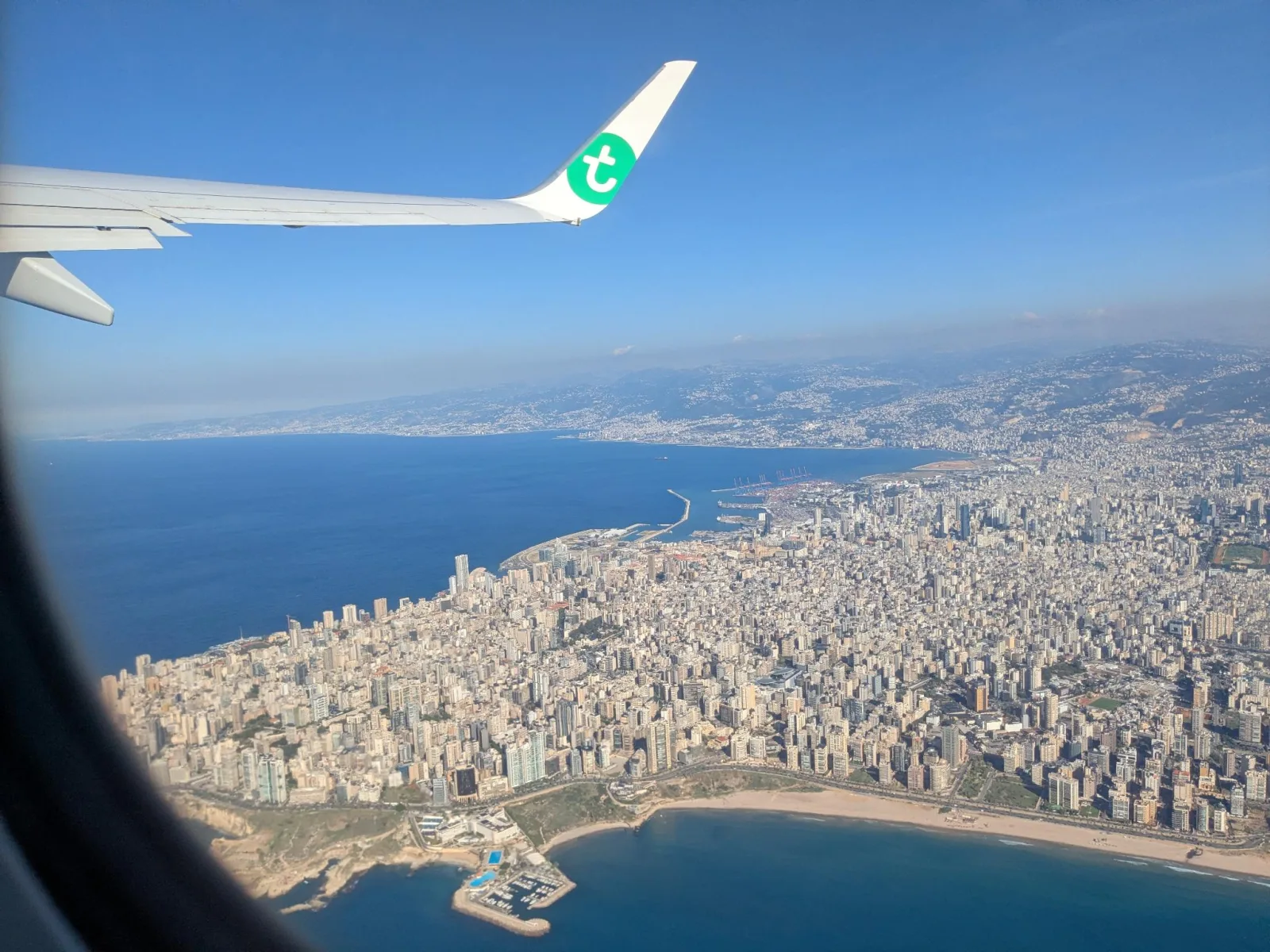
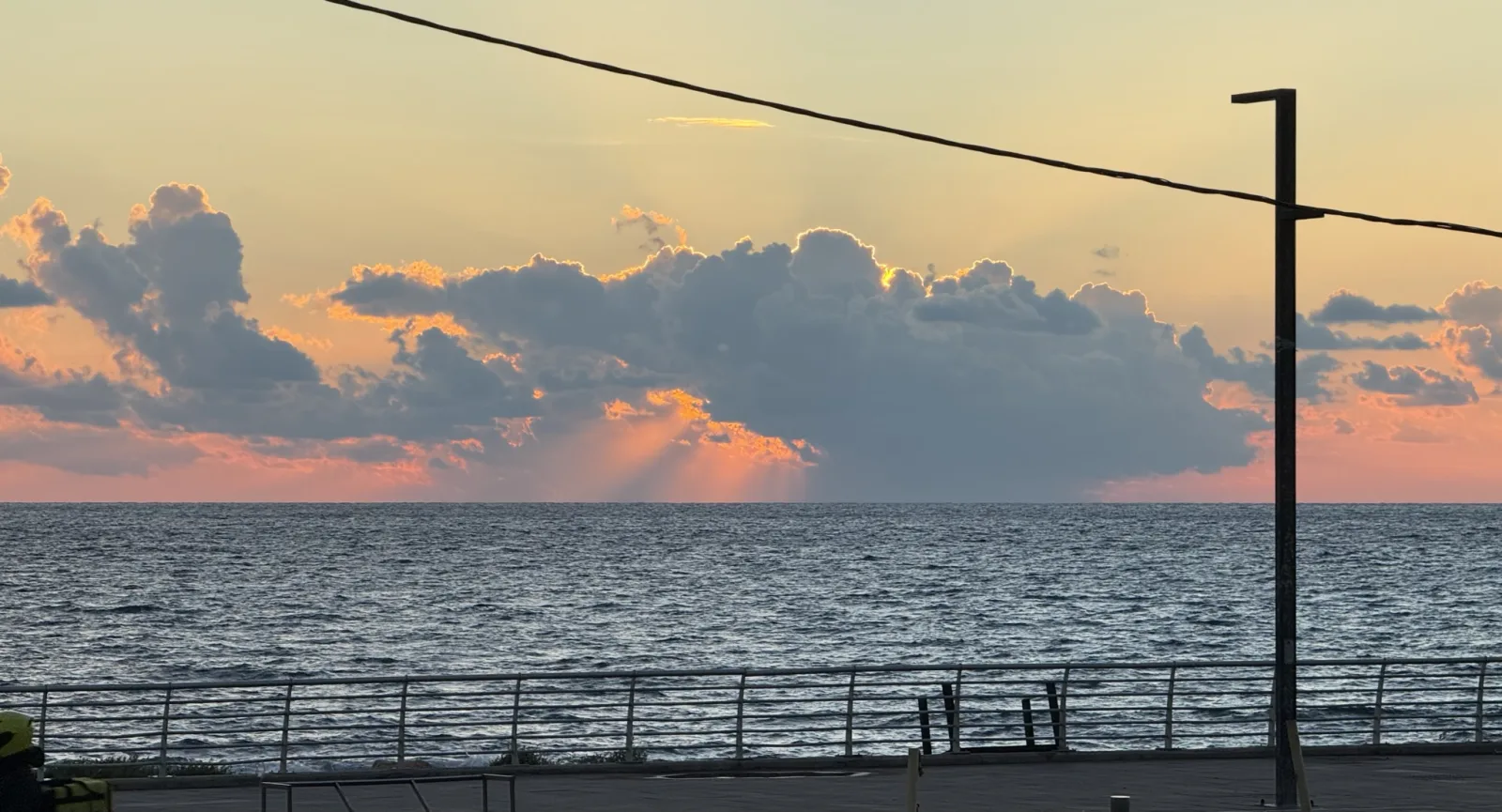
What stays with us as we leave Lebanon?
Below us, Beirut’s buildings grow smaller, with the mountains and the Mediterranean beyond. Today we begin our journey home – proud of what we have achieved, and with a tear in our eye. The people we have met are not simply left behind.
Together with Sanabel Nour, we have handed over more solar lamps to families. Every distribution includes assessing needs, careful documentation and practical guidance. This helps ensure that support reaches those who need it and that families can make good use of their devices.
Home visits show us especially clearly what this light means. Some families already use lamps from earlier distributions. They show us their daily lives and tell us what has changed: where there is no electricity at home, solar lamps provide light. Children can read and study after dark, and families can spend their evenings with light. At the same time, we see the difficulties that remain. These conversations help guide our next steps.
Our meetings with the Lebanese Red Cross also stay with us. By providing rescue equipment, we can support people who stand by others in difficult situations. Conversations with existing and new partners open up further opportunities to help.
We take many images home with us. But the personal moments stay with us most: a smile during a handover, open doors and the families’ trust. Their gratitude moves us – and we want to share it with you.
Our journey ends today. The partnership continues. And in the families’ homes, the light remains.
Beirut · Lebanon
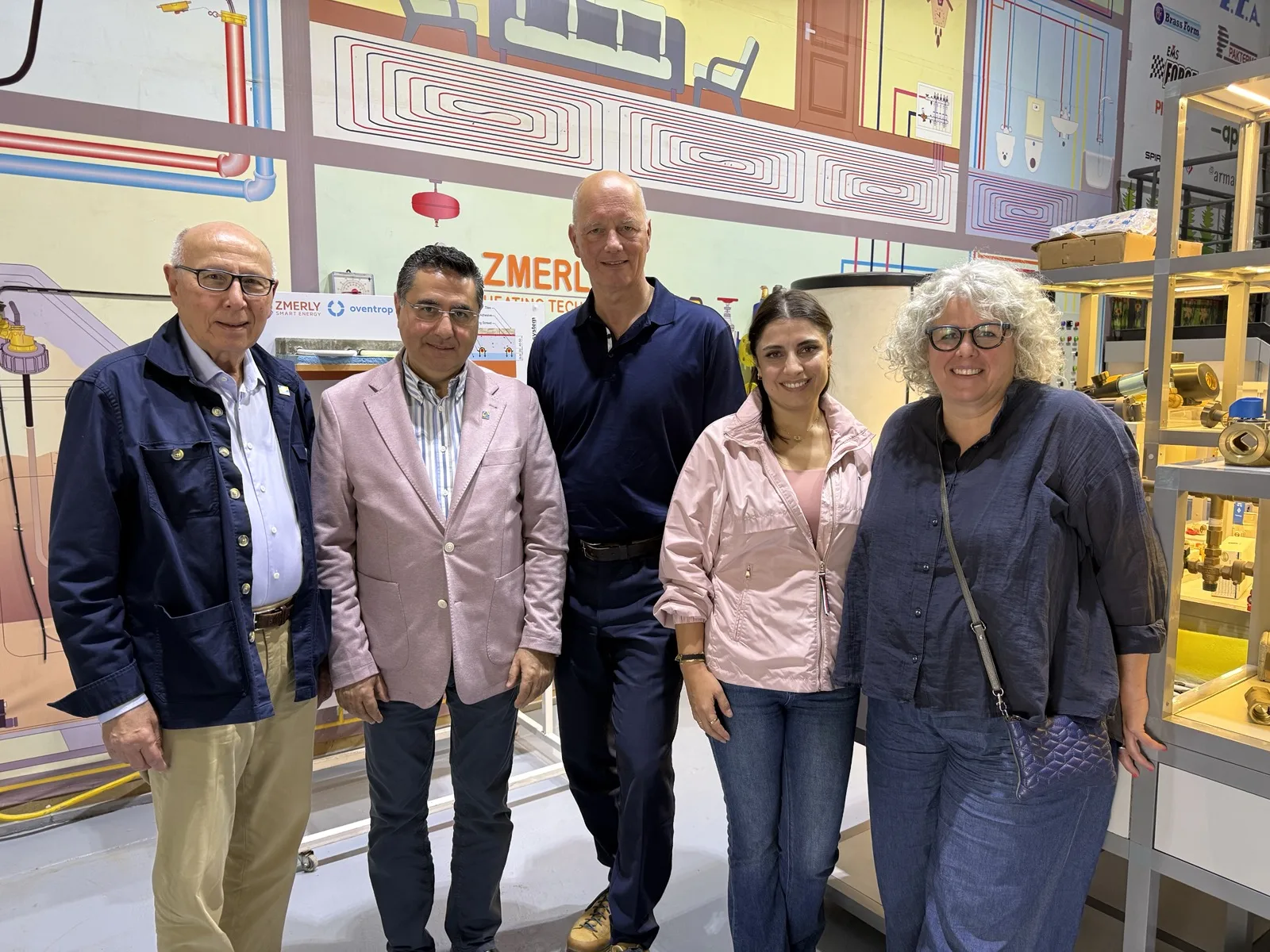
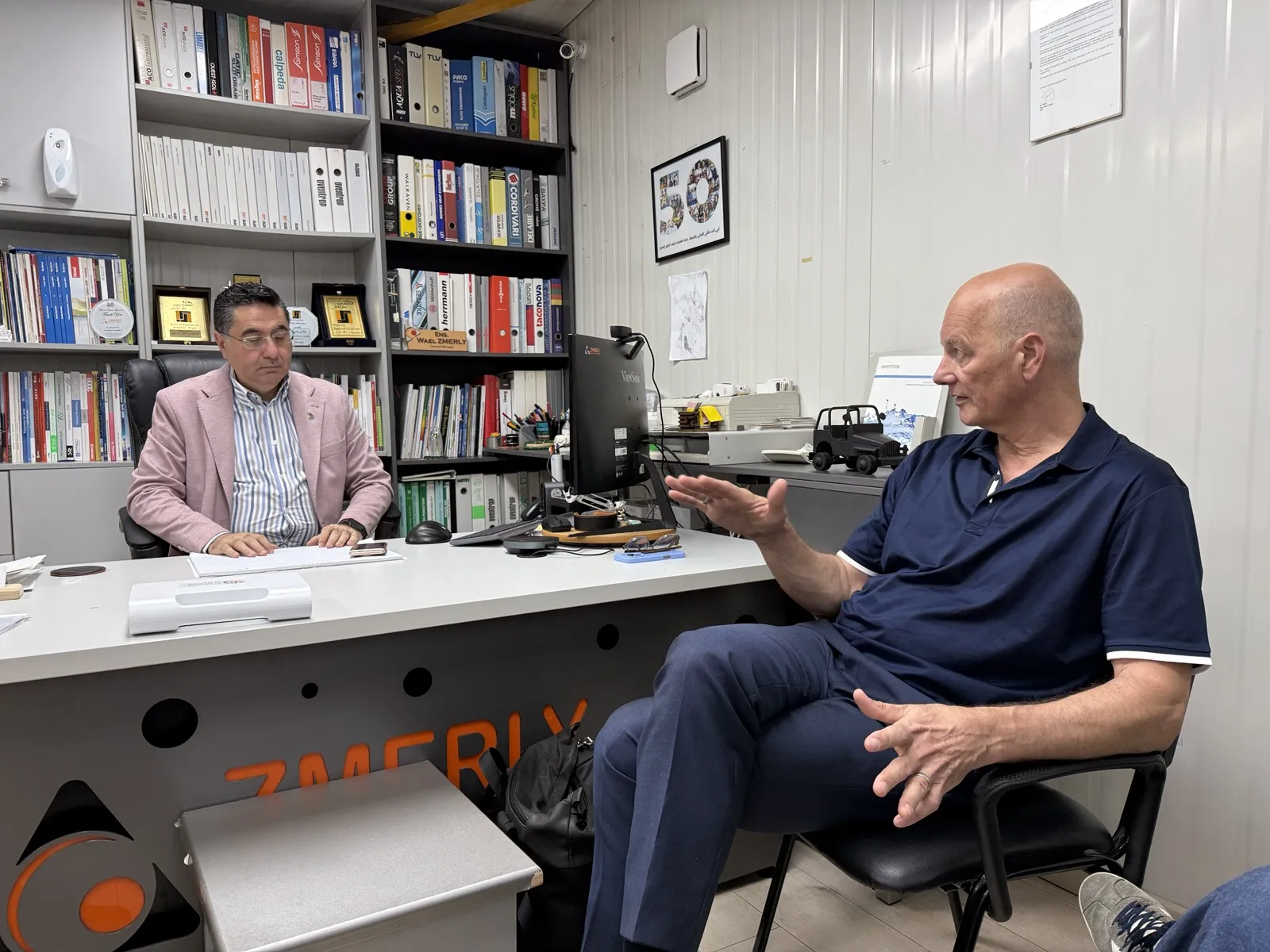
How does a solar lamp get from China to a family in Lebanon?
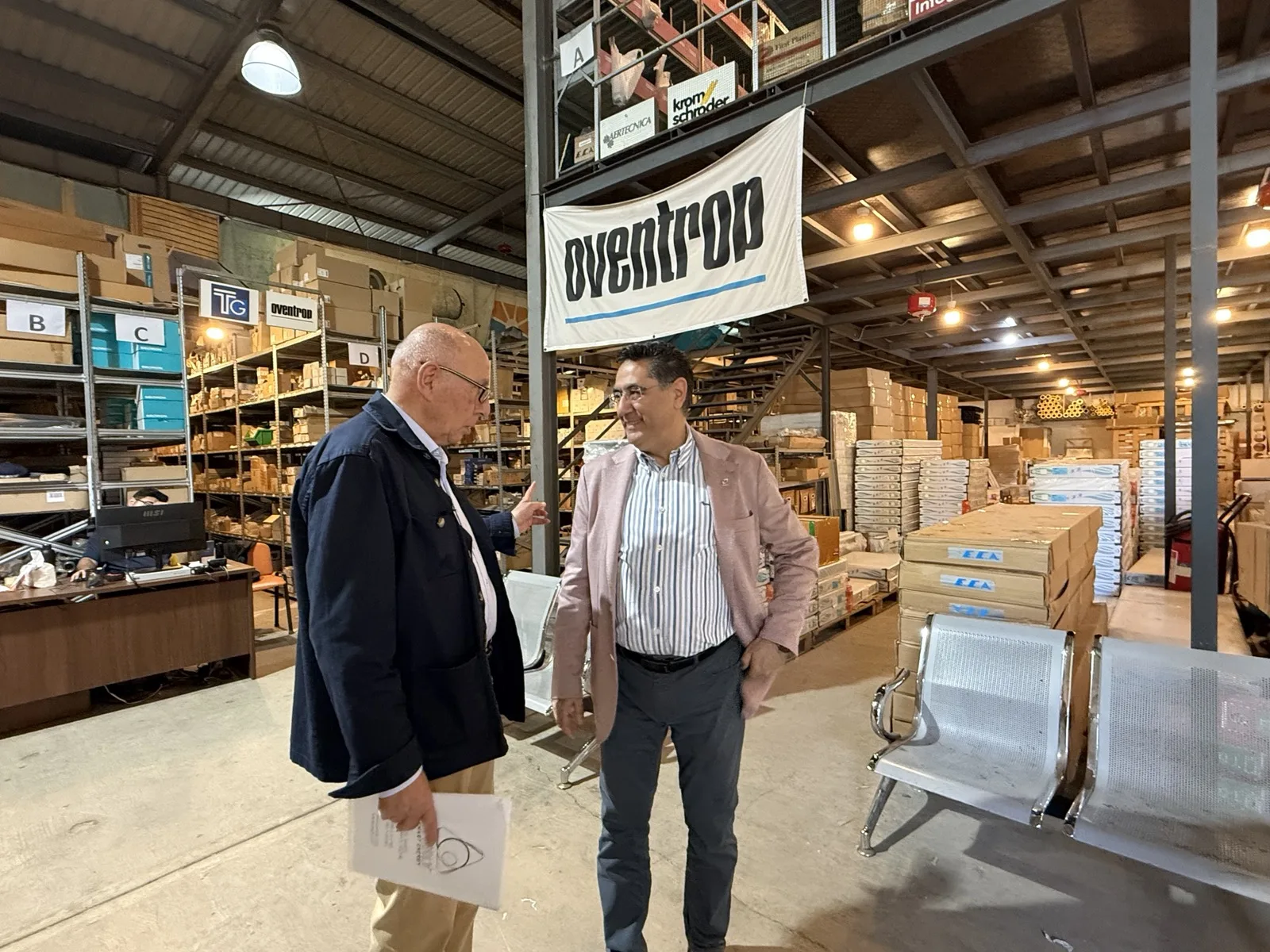
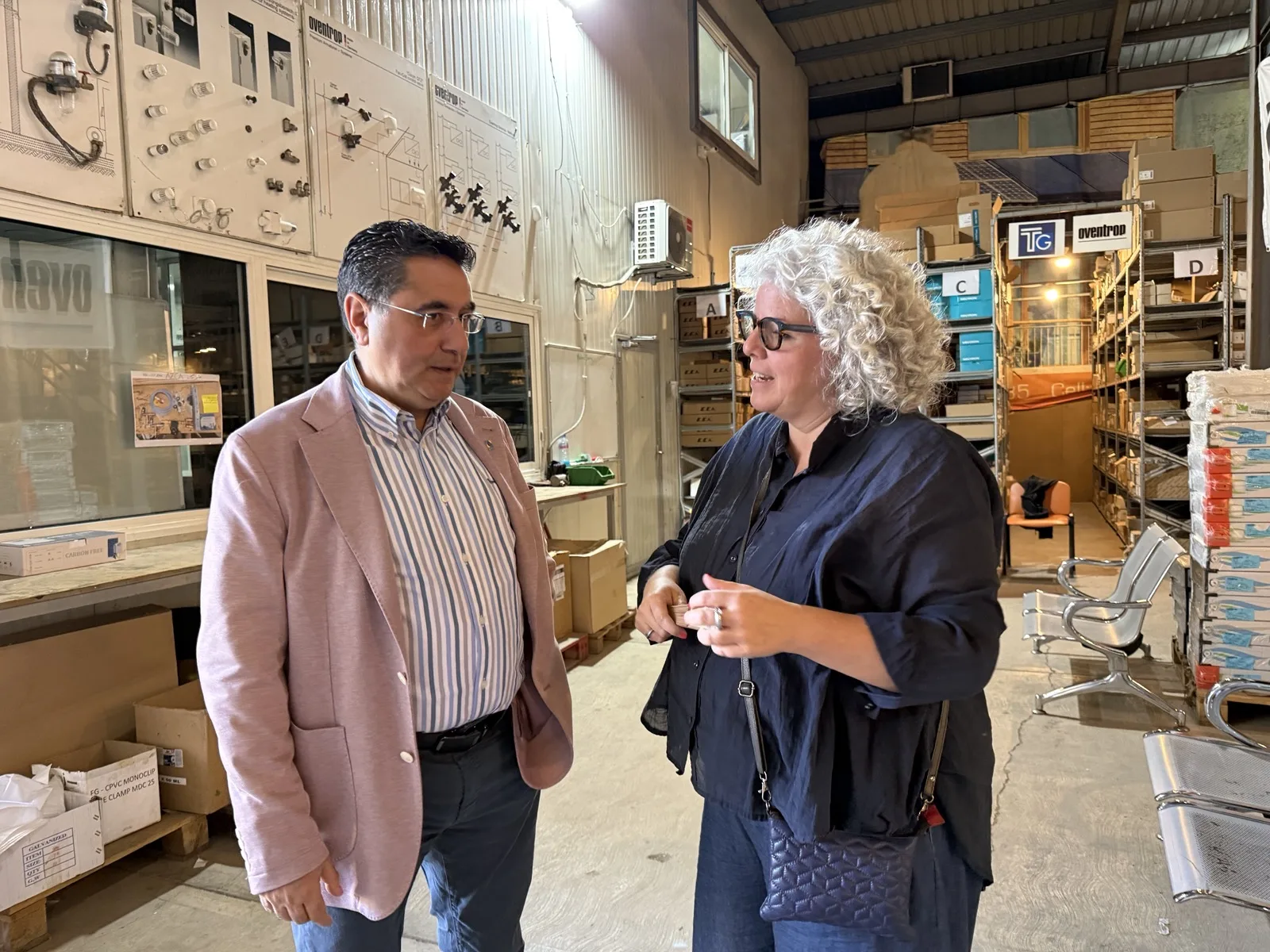
What needs to happen before a family can switch on its new solar lamp for the first time? Behind that moment lie purchasing, shipping, customs clearance and storage. During our visit to Tripoli, we meet a partner whose support is crucial along the way: Wael Zmerly.
He helps us source the devices from China and organises the next steps through to storage in Lebanon. This work rarely takes centre stage in our reports. Yet it is essential to every distribution.
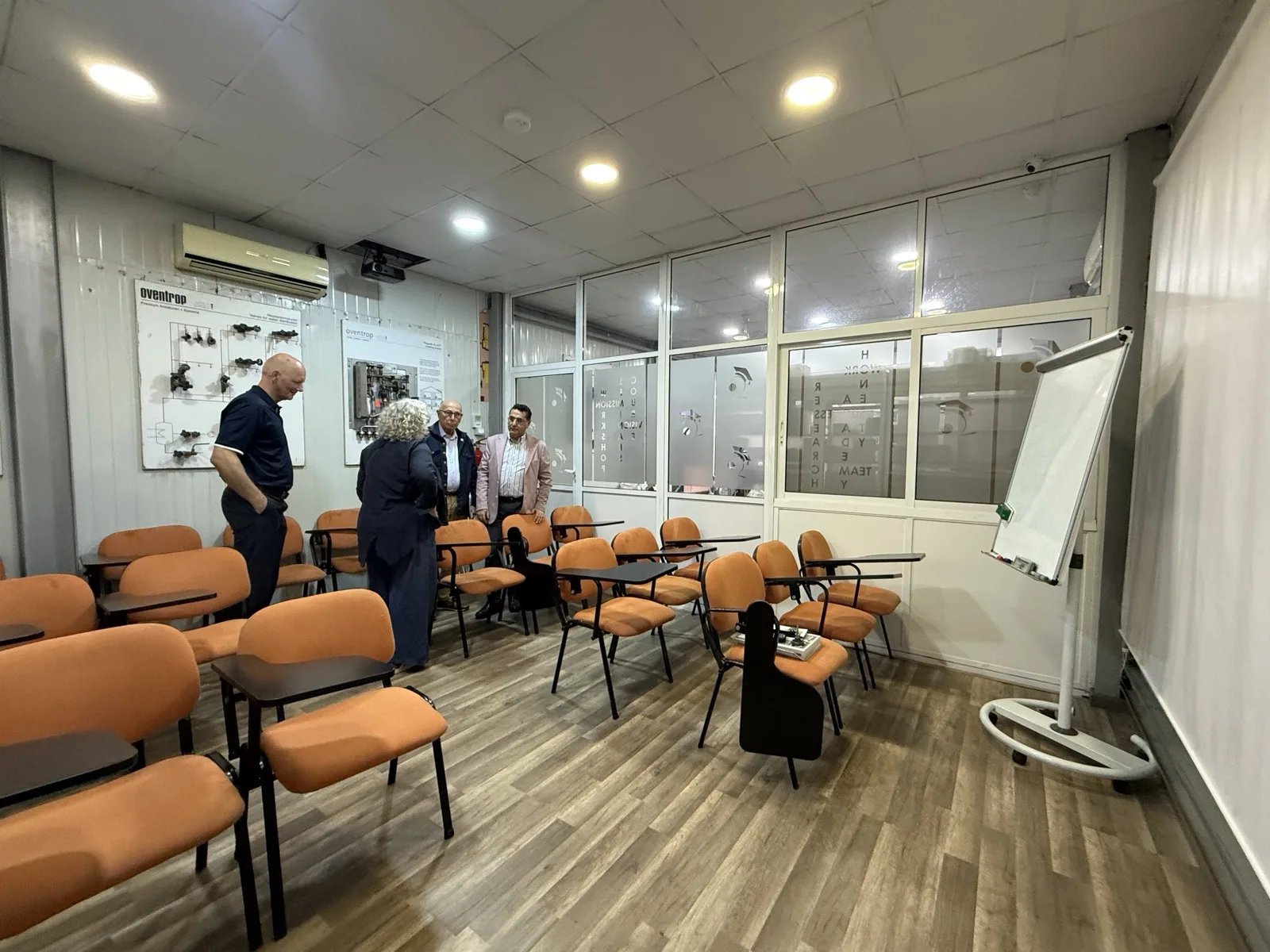
During our tour, we also learn more about his company and the Zmerly Academy. Here, heating and solar technology meet practical training: knowledge is shared and technical solutions become tangible.
Thank you to Wael and his team for their reliable partnership. Their commitment helps turn your donations into practical support for families.
Tripoli · Lebanon
Back in Beirut: connecting with people who make a difference
Today takes us from the lively coast of Jounieh to conversations about international support and people whose needs rarely make the headlines.
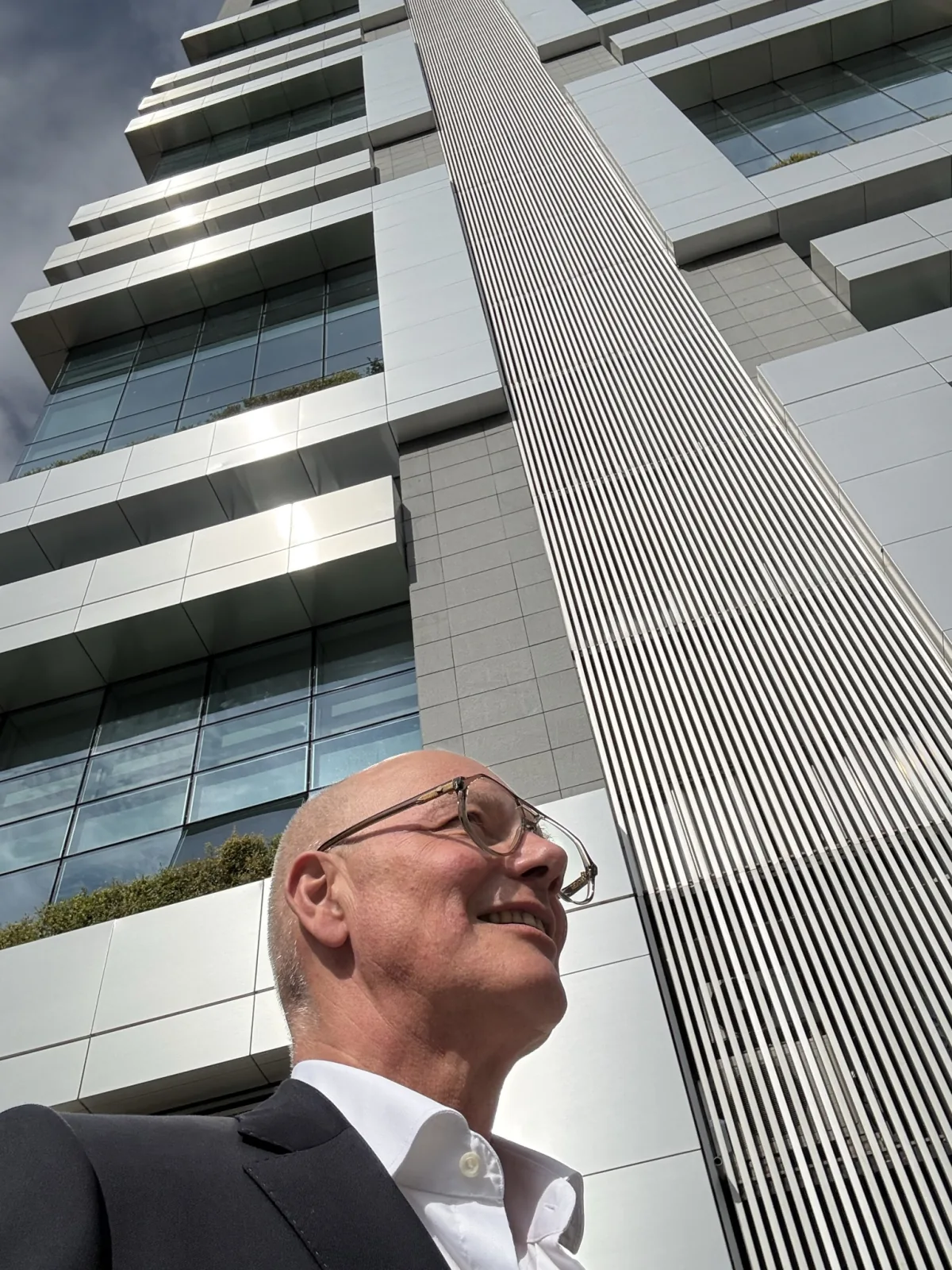
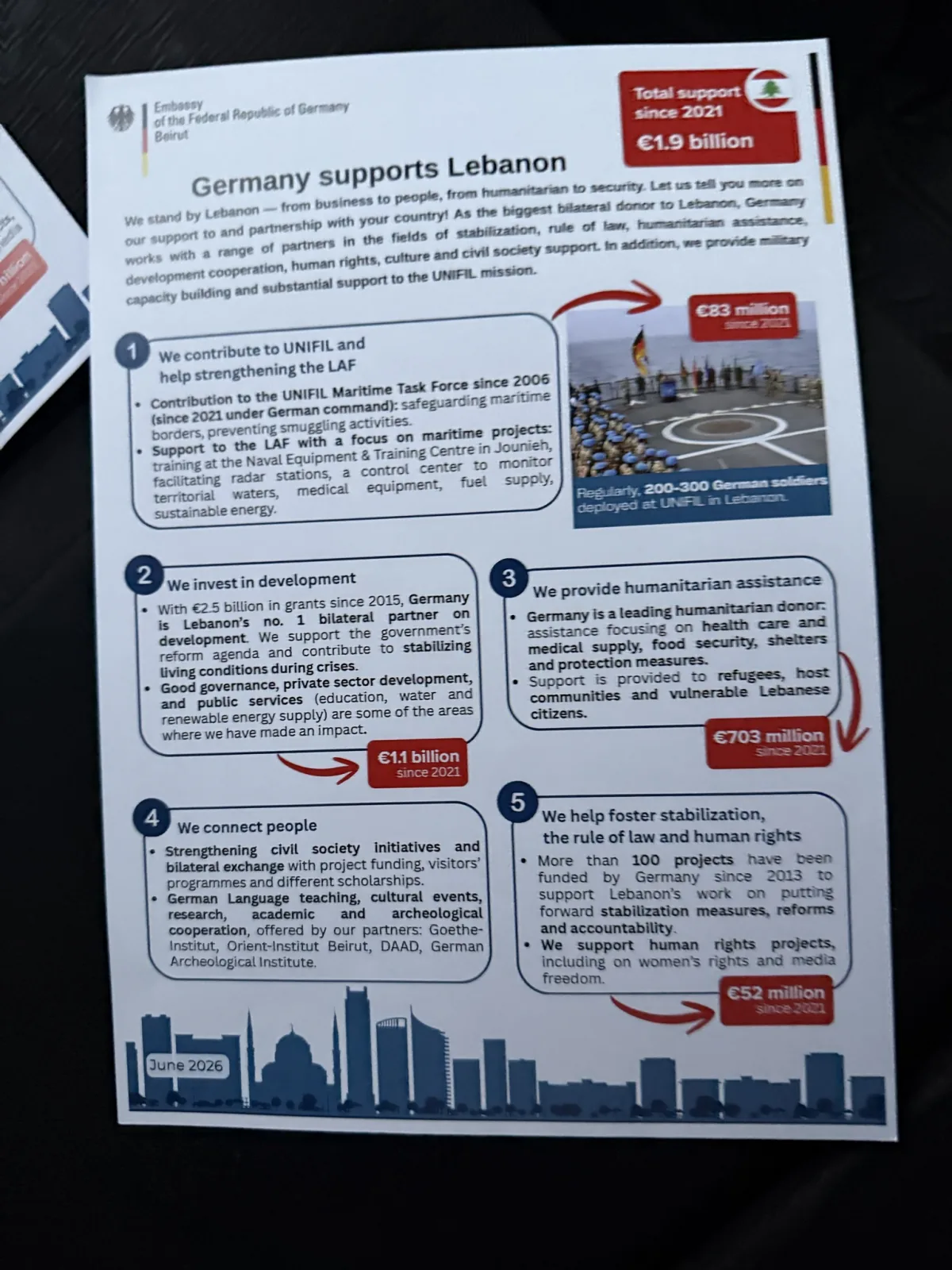
On our way to Beirut, we pass through Jounieh, known for its restaurants, bars and nightlife. Our destination is the German Embassy. The meeting offers a closer look at Germany’s engagement in Lebanon: Germany is currently the country’s largest bilateral donor, supporting humanitarian aid, development and civil society. Photography inside is not permitted, so our photographic record is a simple selfie outside the building.
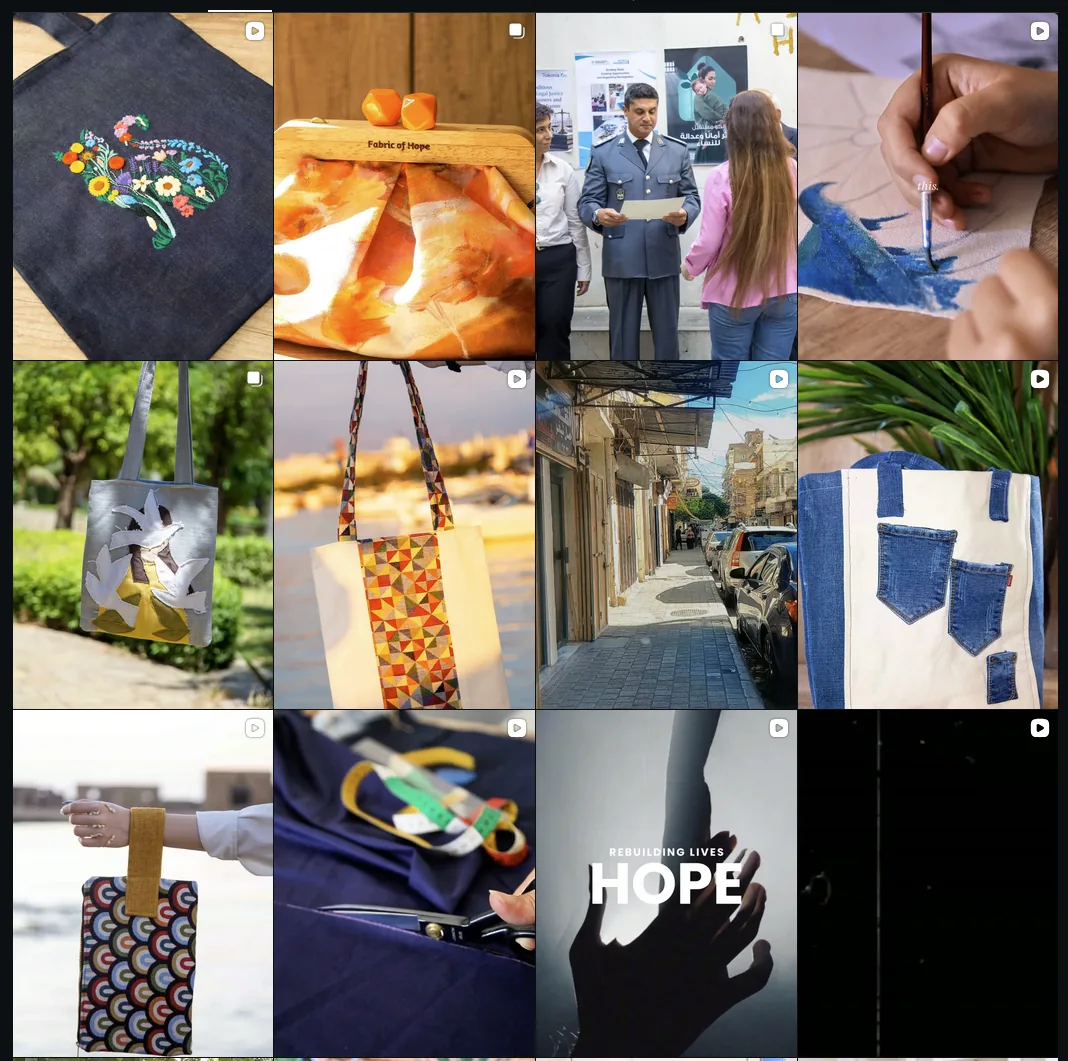
Later, we meet Mona, who works with an NGO supporting women in prison. Our conversation turns to a much less visible side of life in Lebanon. Serious gaps in prison provision leave many detainees dependent on families and aid organisations for food, medicine and other essentials. For families already struggling financially, this creates another heavy burden.
On Mona’s Instagram page, embroidery, sewing and colourful handmade bags offer a glimpse of the creative work she shares. The accompanying screenshot brings this side of her work into our journal.
It is a sobering reminder that being behind bars does not make a person’s basic needs disappear. The work of people like Mona helps ensure that these women are not forgotten.
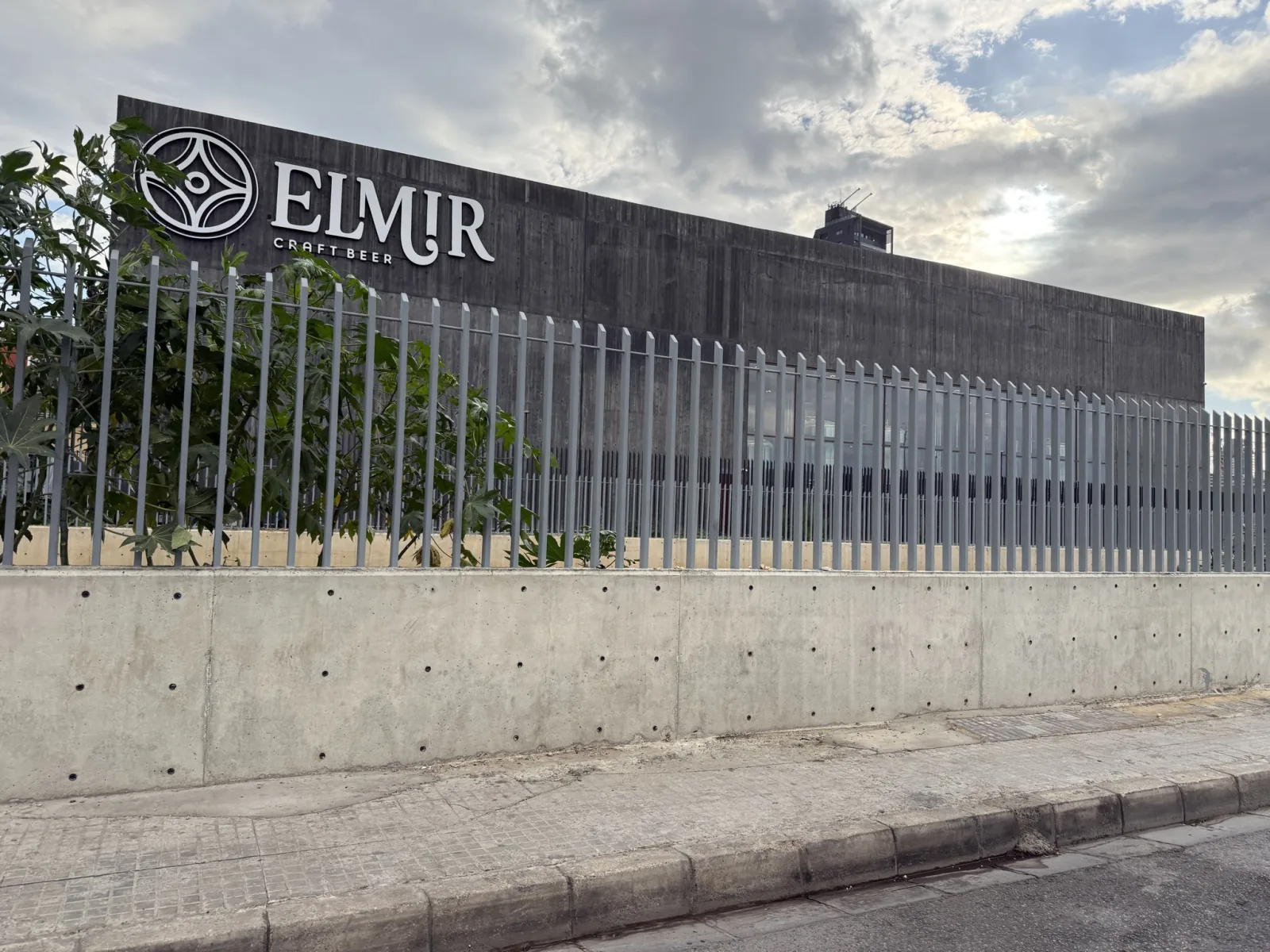
On the journey back, we pass the ELMIR brewery, where we spent our first evening in Lebanon. A familiar place after a day of new encounters—and much to think about.
Jounieh · Beirut · Lebanon
At home with the families
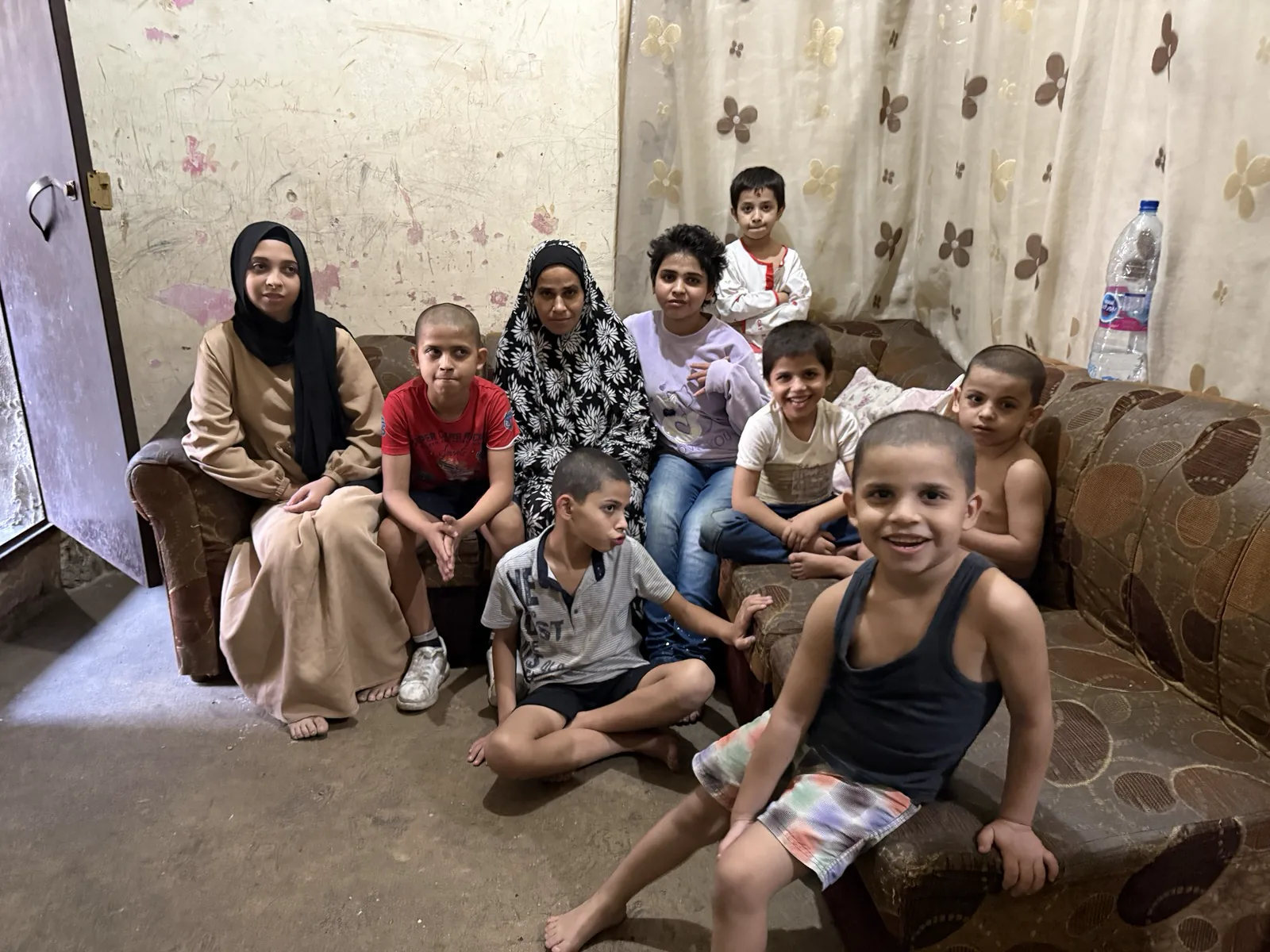
Behind every solar lamp distributed is a family with its own daily life, worries and hopes. Home visits give these life stories room to be heard.
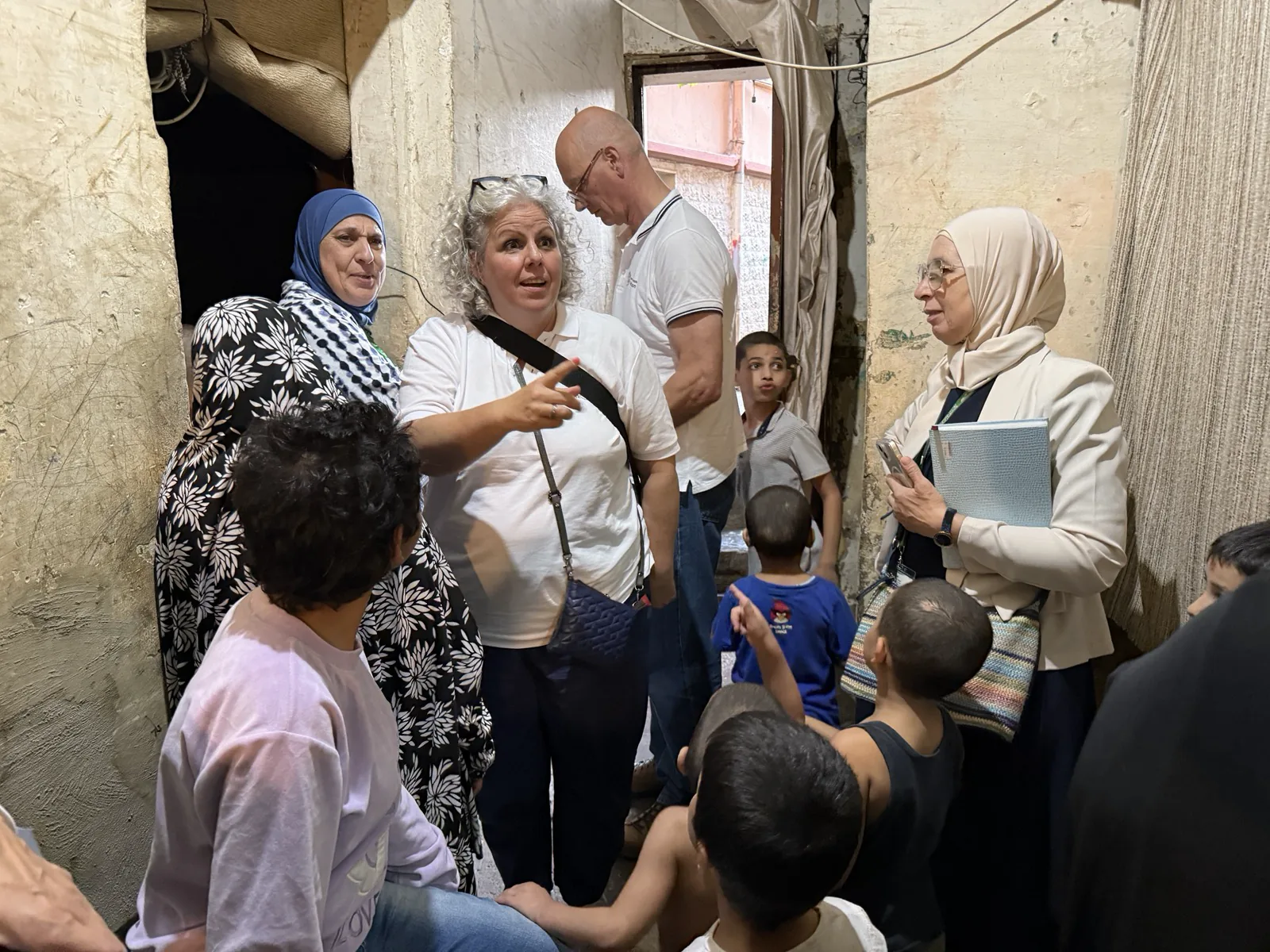
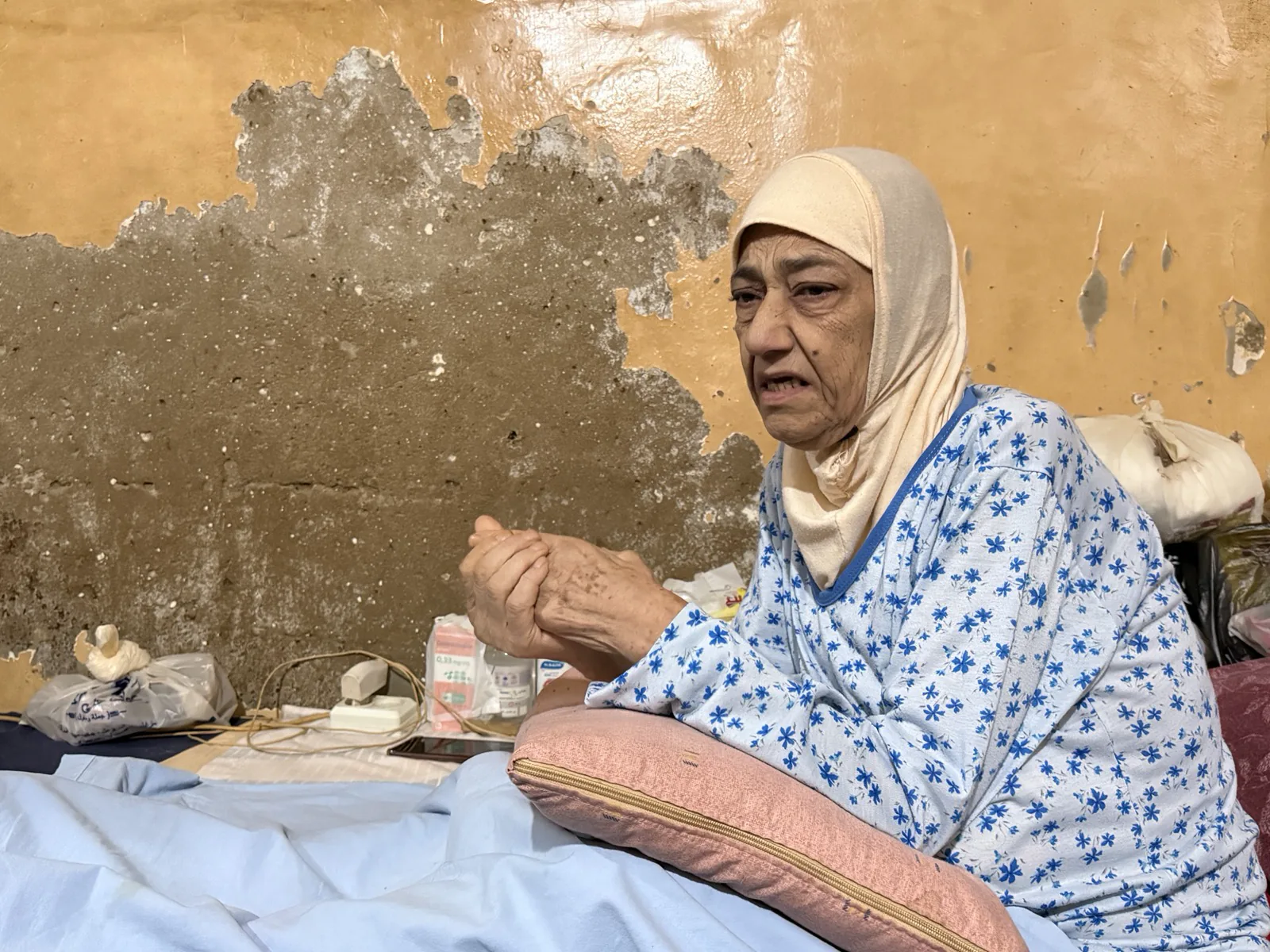
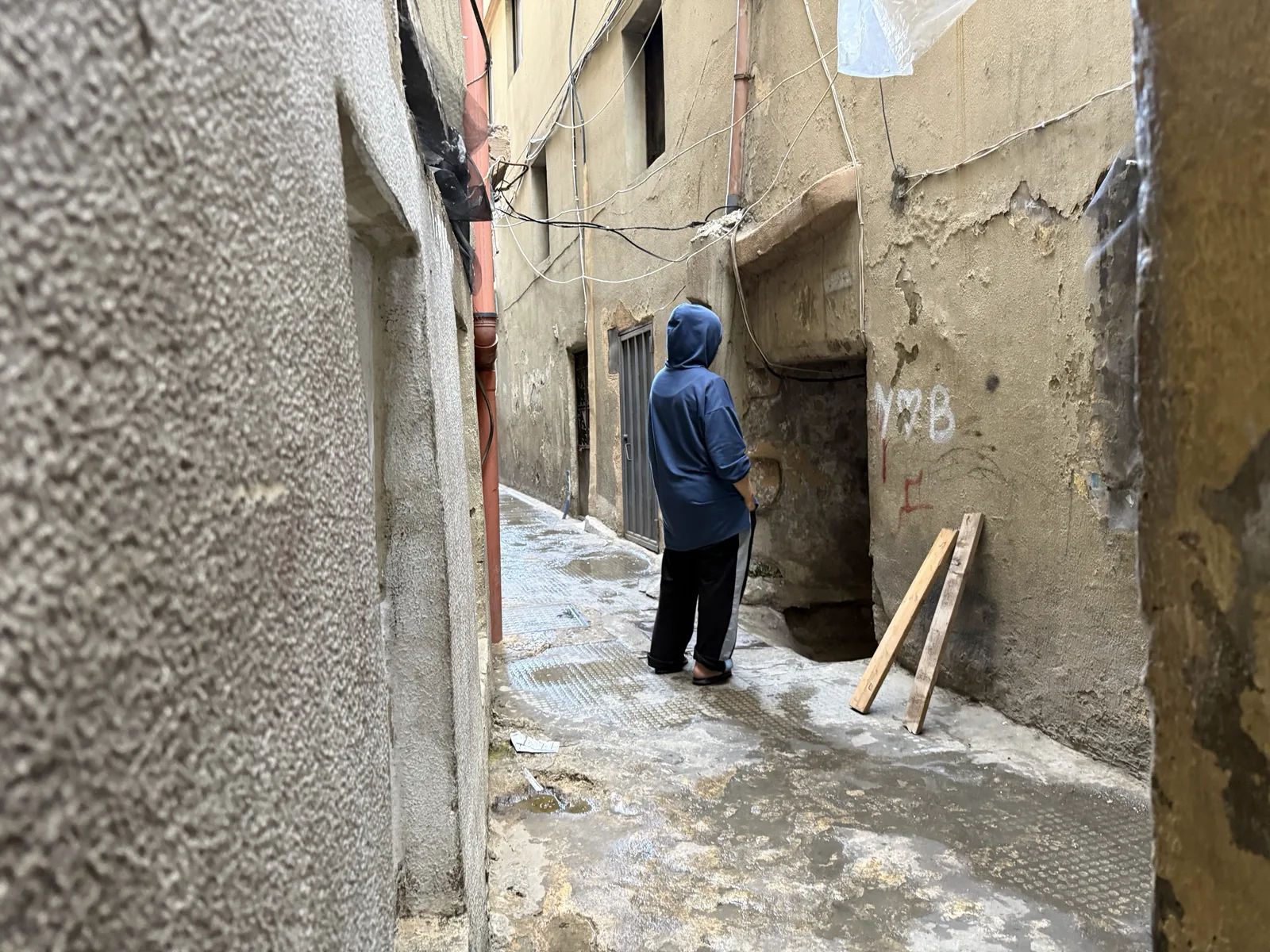
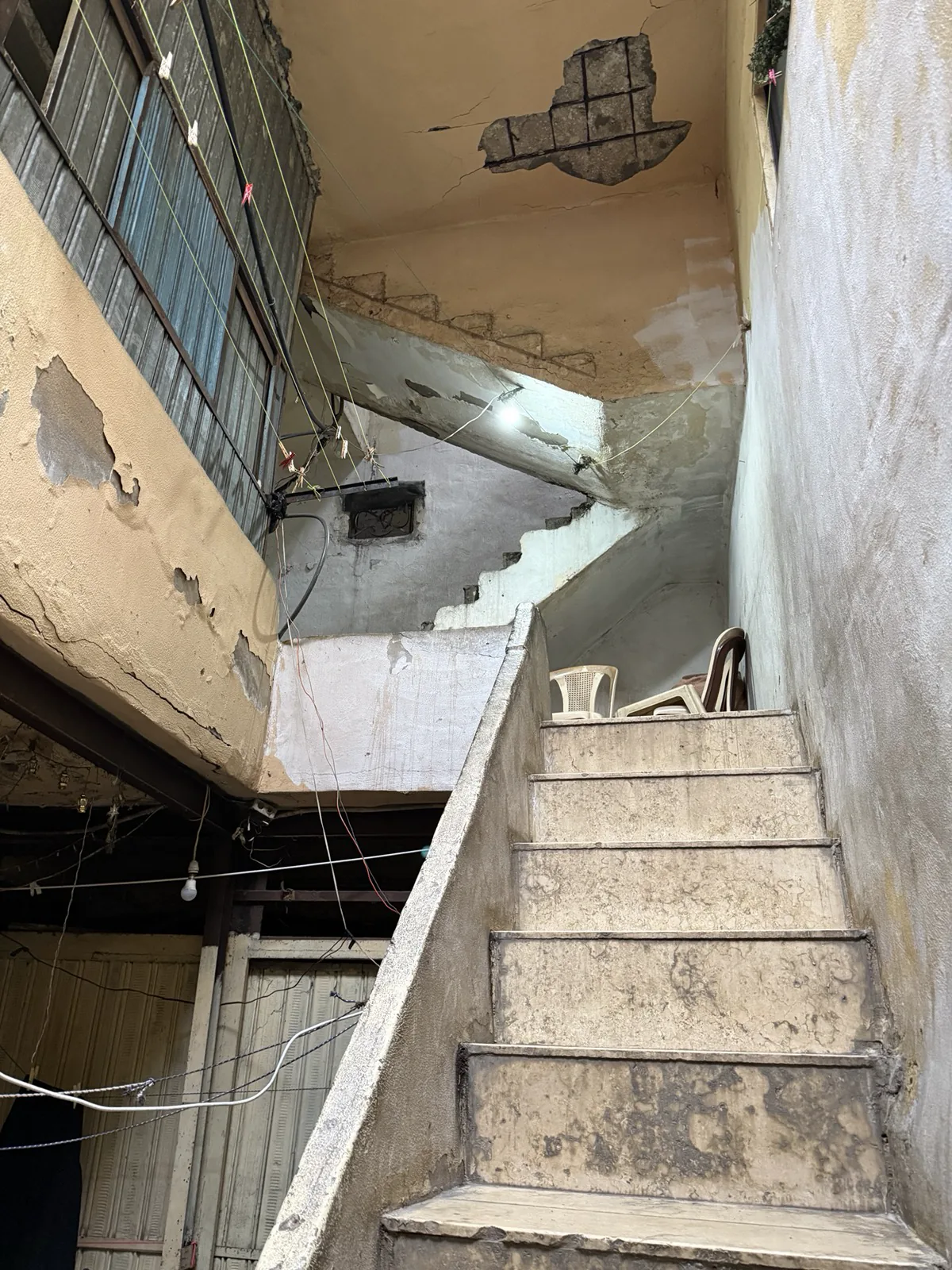
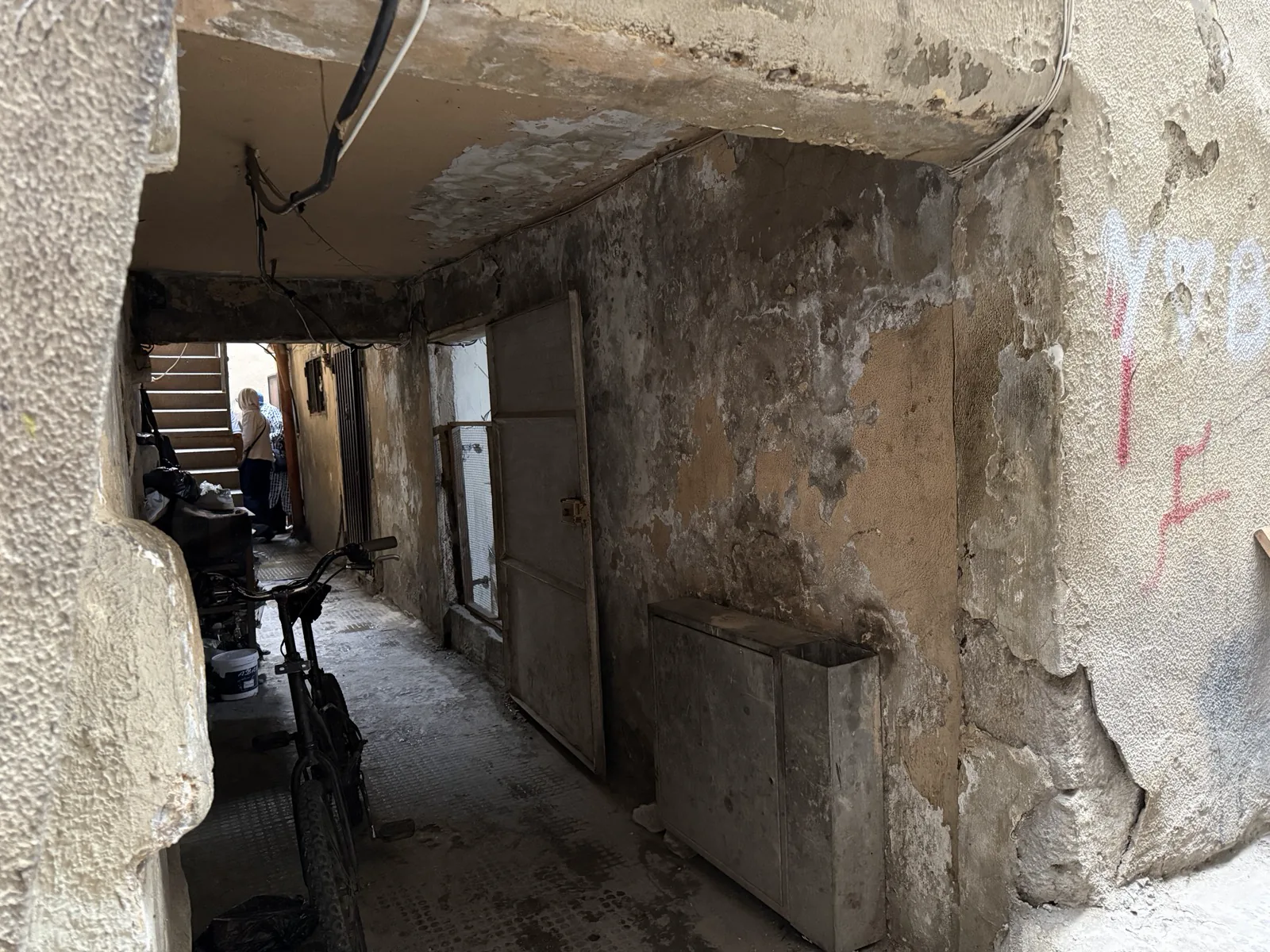
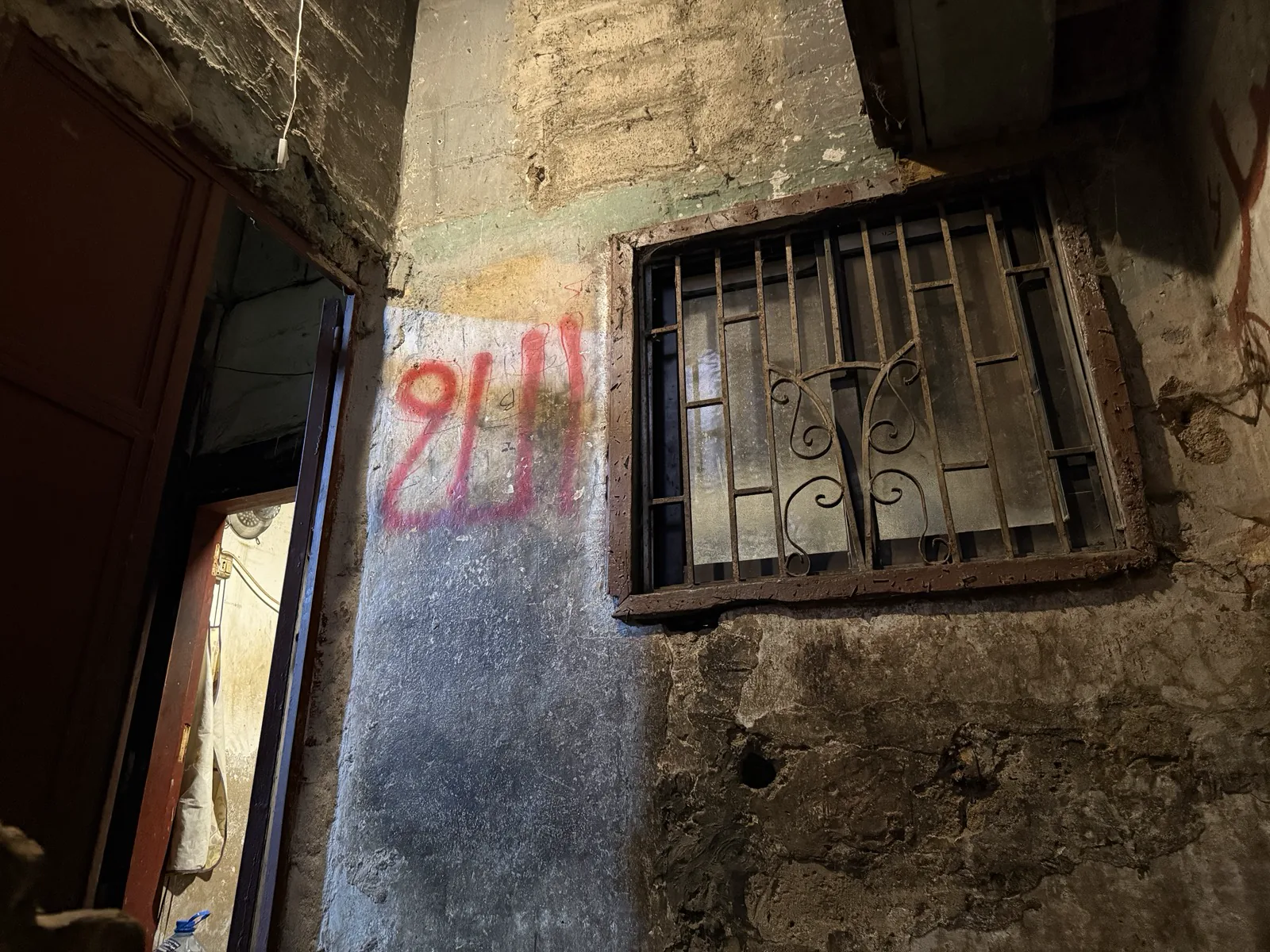
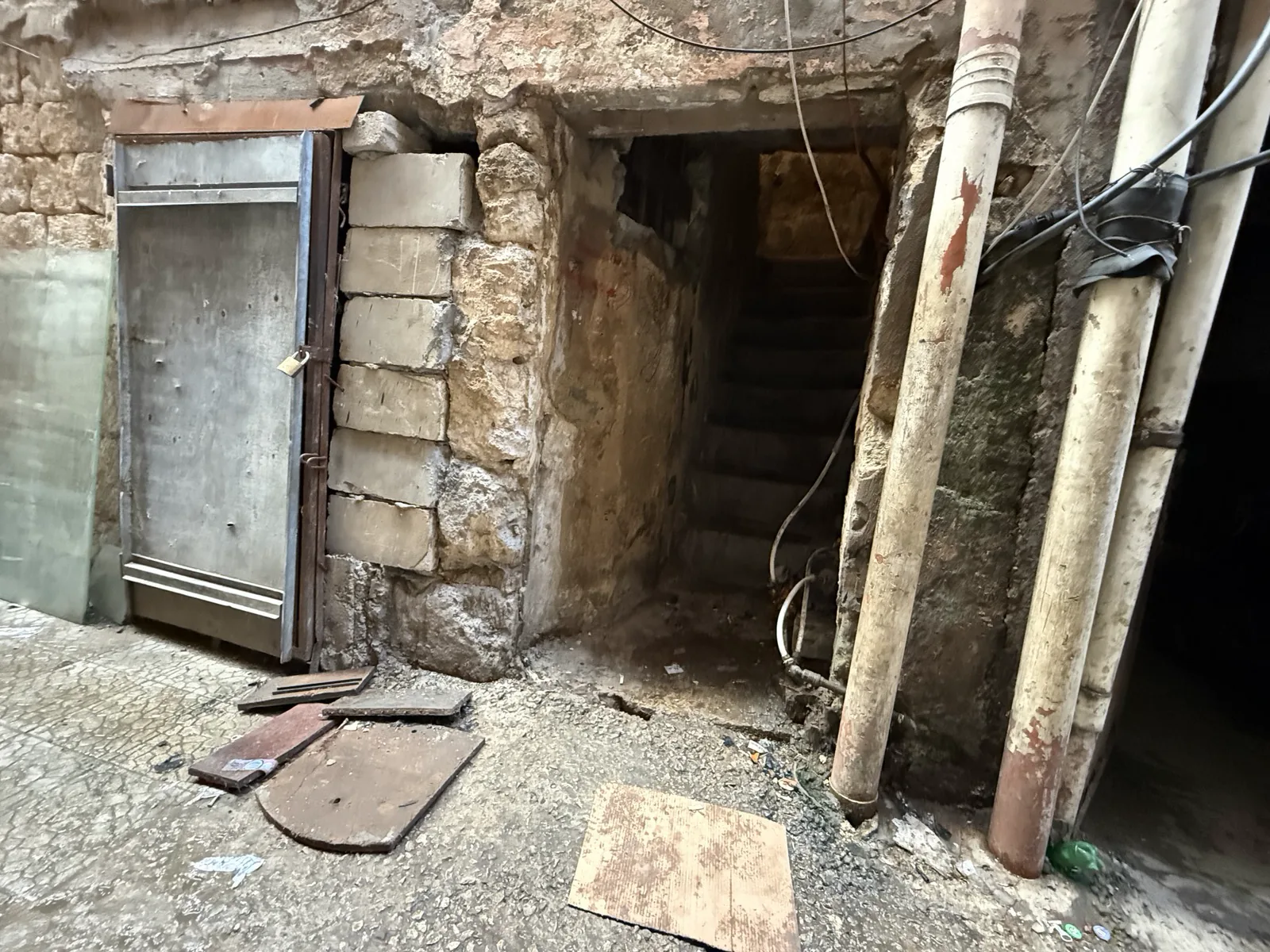
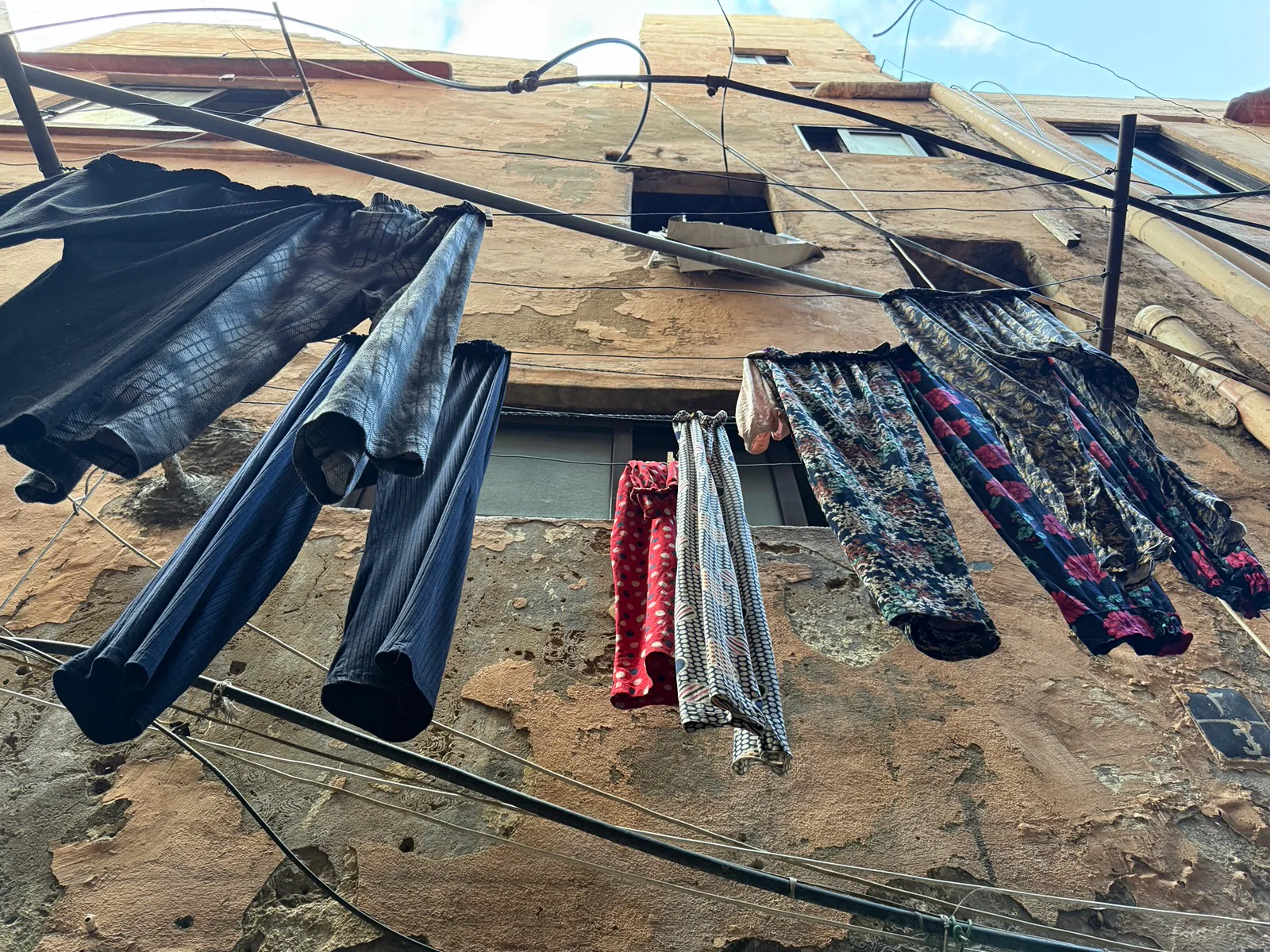
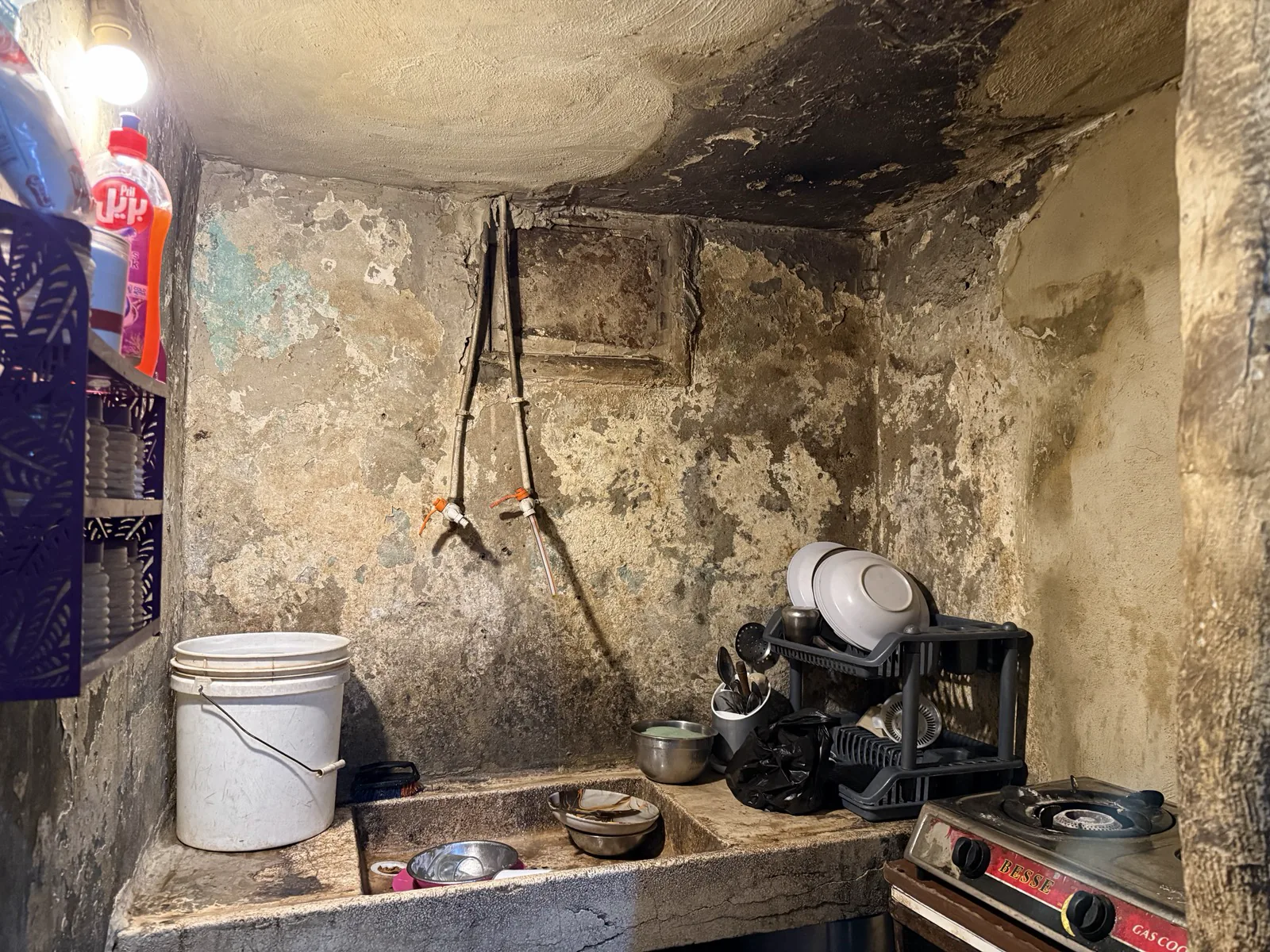
Some families live in cramped homes with damp walls and damaged buildings. Narrow alleyways and steep stairs are part of their daily journey home. They show how they manage everyday life, what they lack and what kind of support would make a difference to them.
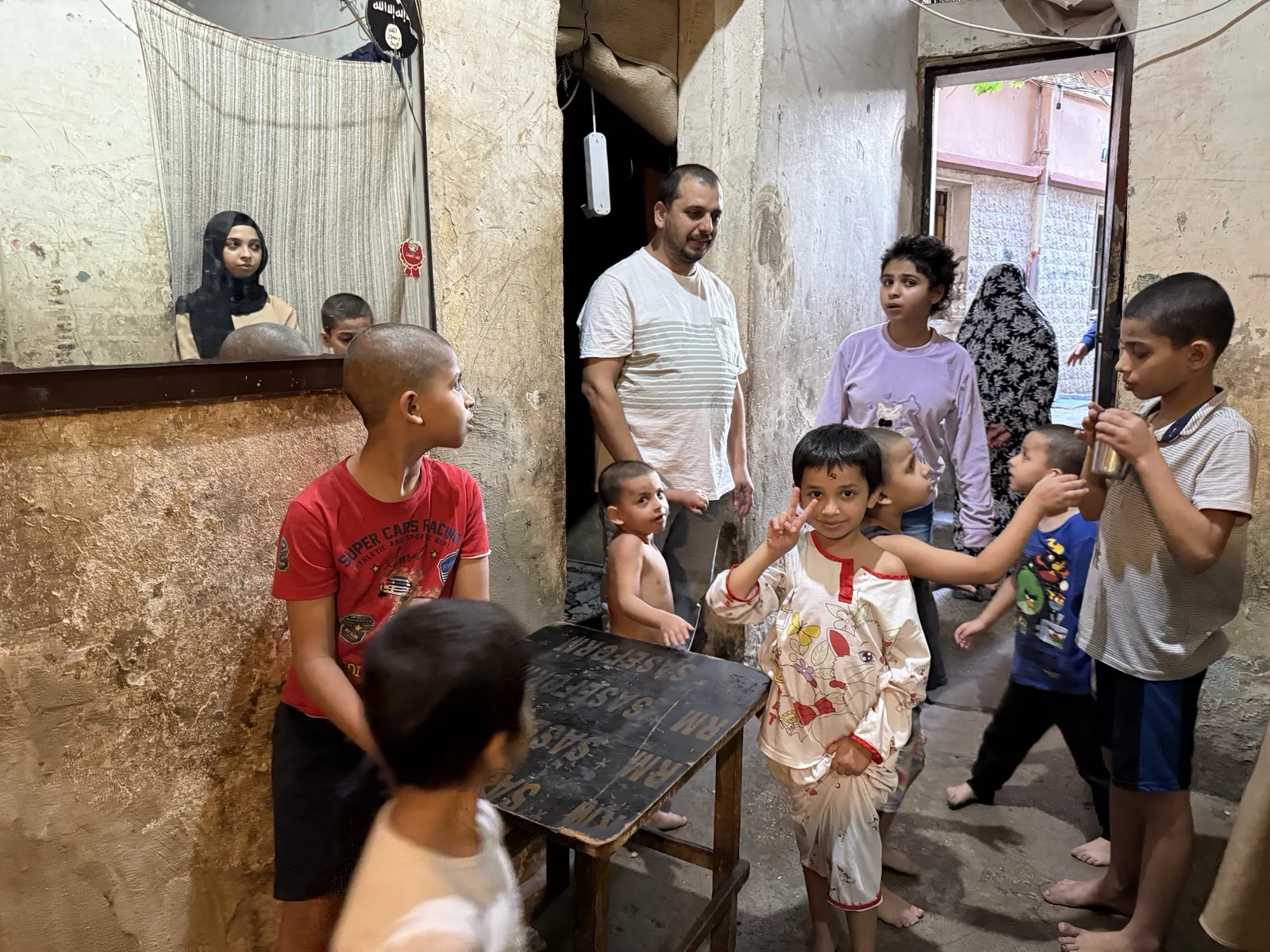
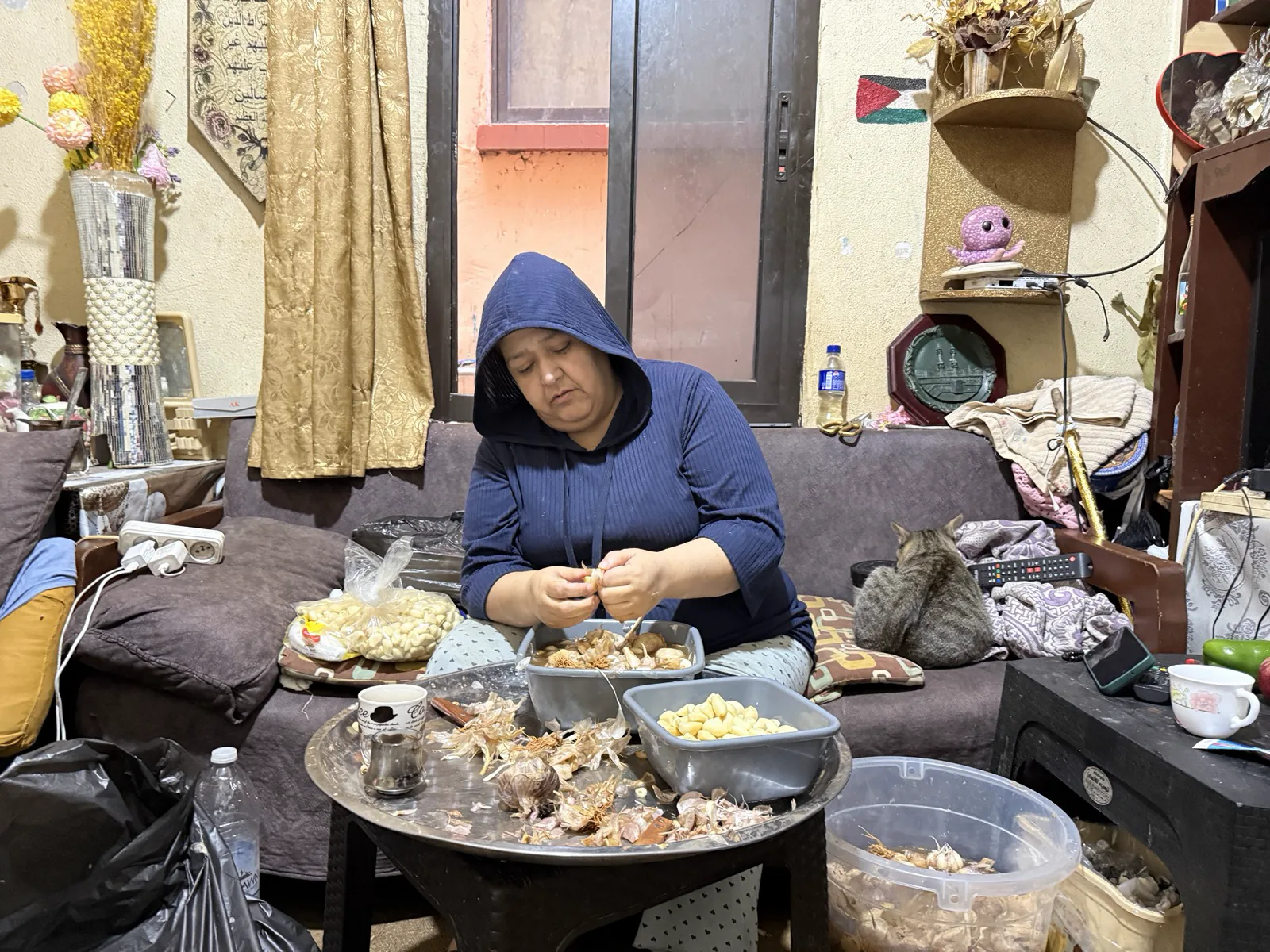
Some families received a solar lamp during an earlier distribution, made possible by the donors of Power for People in Lebanon. The light has become part of their home. Reliable lighting means being able to read, study and spend time together in the evening.
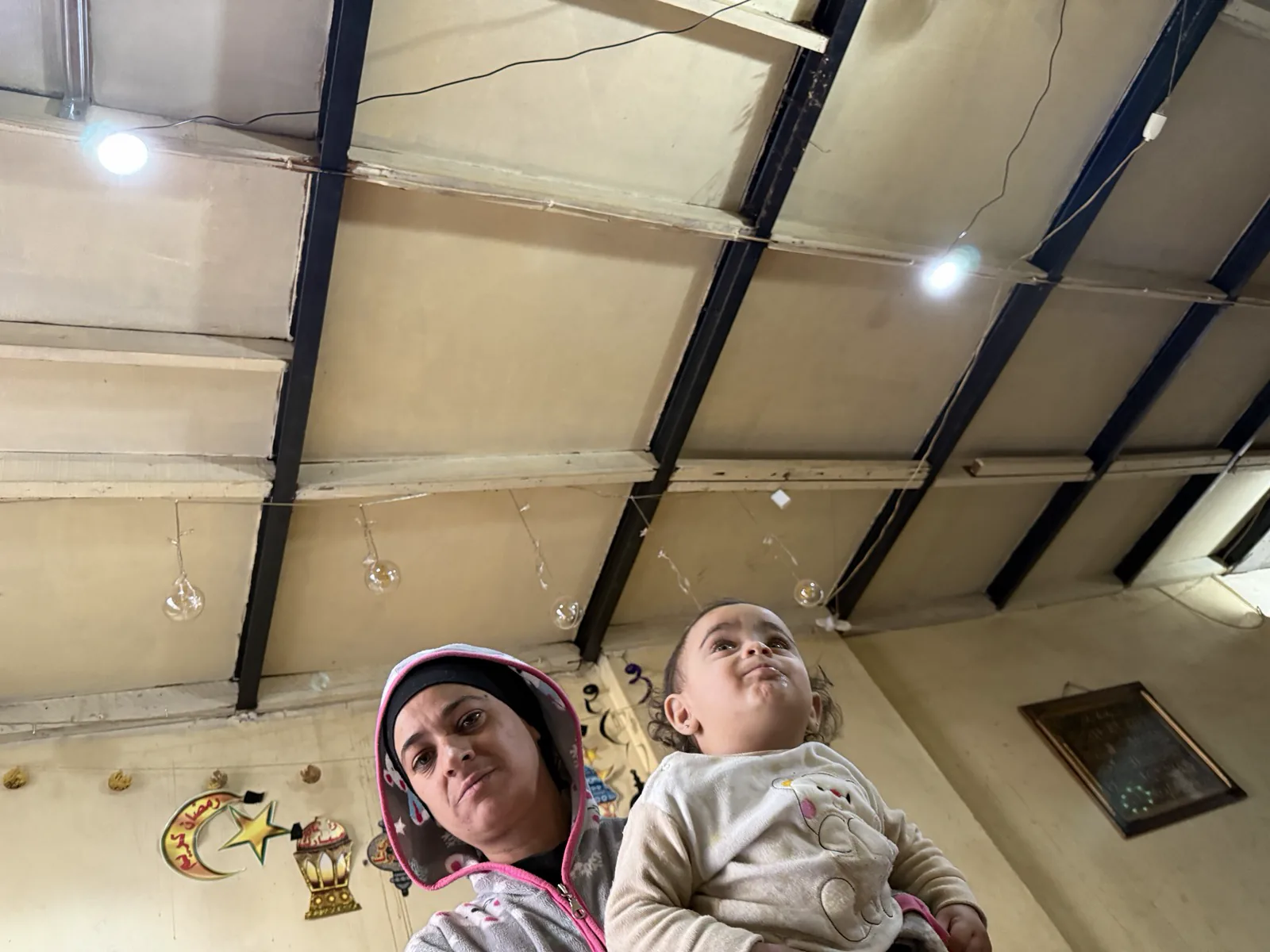
The visits focus on their experiences: How do they use the lamp? What works well? What difficulties remain? Their answers help build a better understanding of further needs and guide practical support.
Opening their doors and sharing a glimpse of their lives is a sign of trust. Their experiences and wishes give the ongoing work direction. They know best what would make their everyday lives easier.
A glimpse of the living environment
An evening with people who help when it matters most
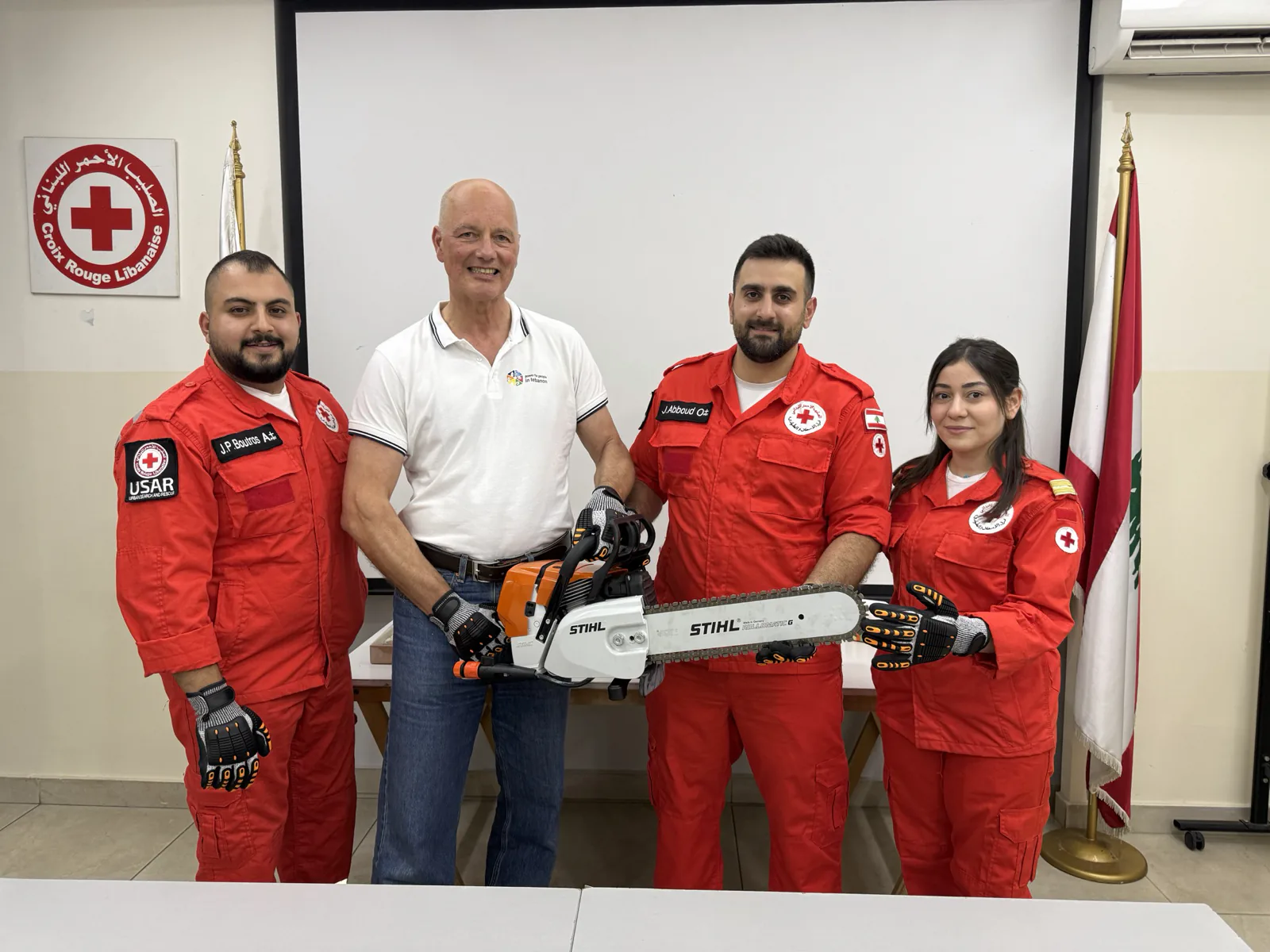
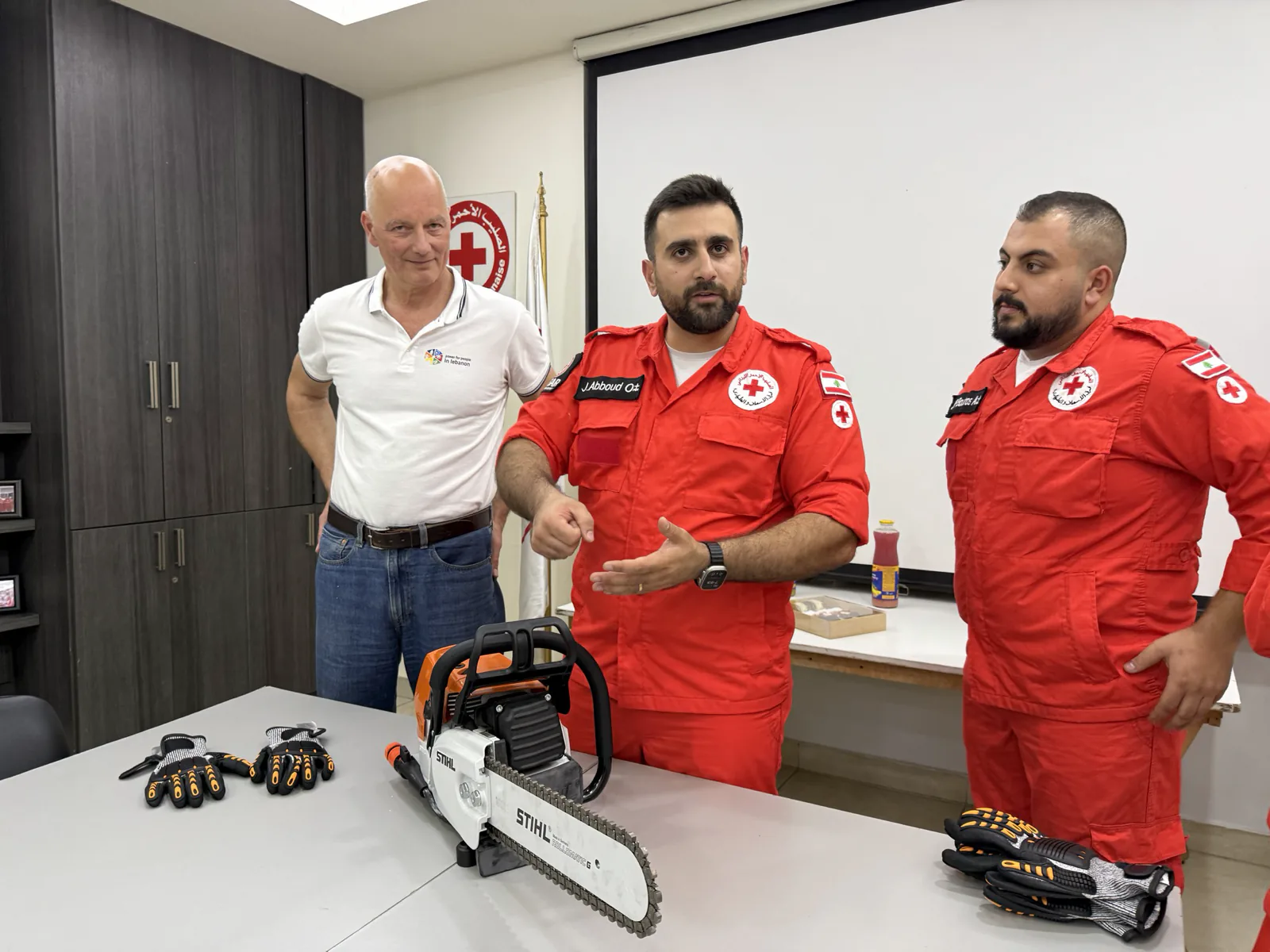
In the evening, we meet the Lebanese Red Cross team (LRC) in Tripoli. It is an engaging and informative exchange with dedicated volunteers.
The team members bring extensive experience from search and rescue operations in crisis situations. Knowing that they have had to gain this experience under such difficult circumstances gives us pause. Our conversation shows how much expertise, preparation and personal commitment goes into their work.
Rescue equipment is also a focus of our meeting. We are pleased to be able to offer them some equipments to support their humanitarian work.
Thank you to the team for the open exchange and for LRC commitment to people in need.
Lebanon
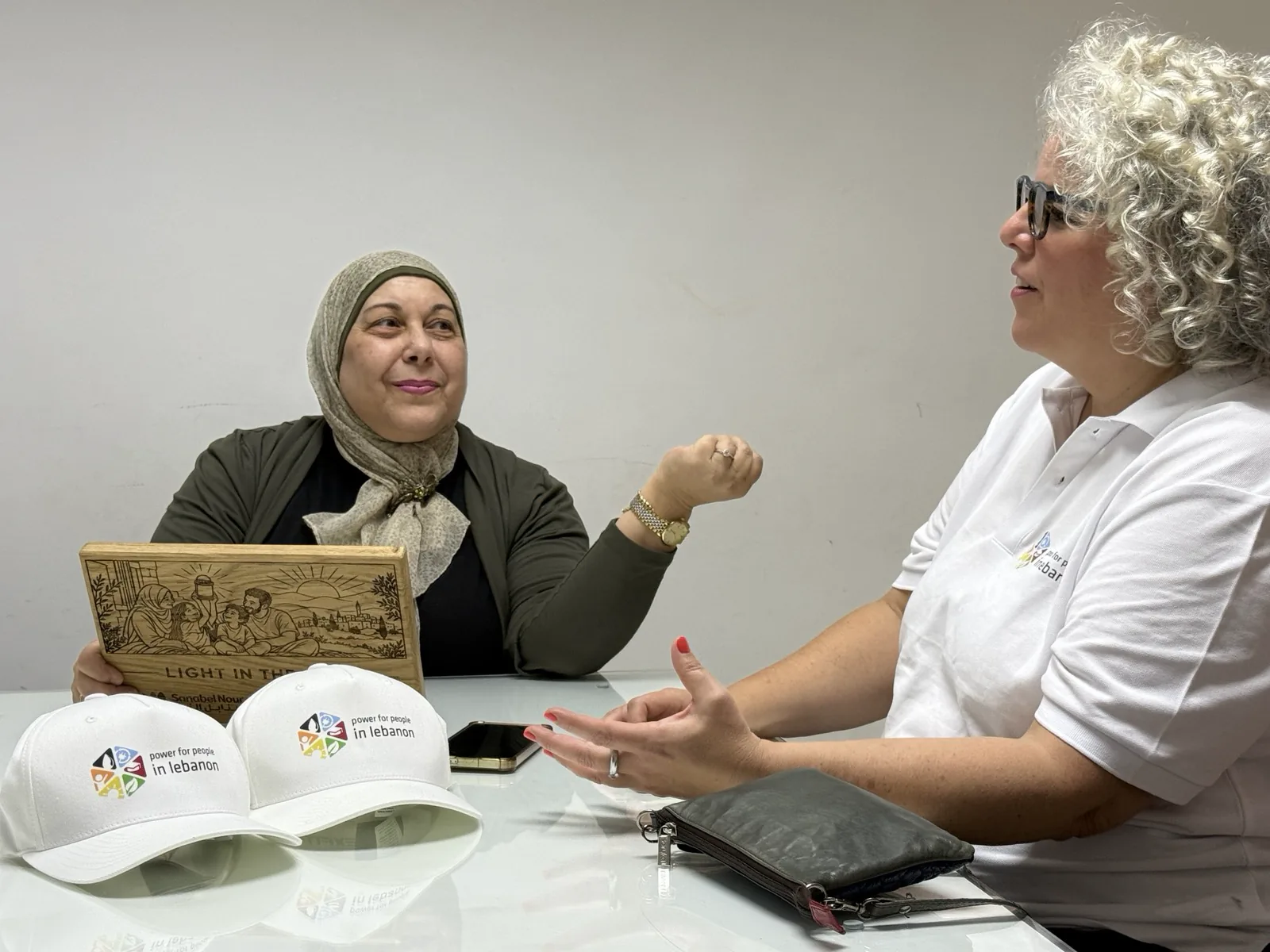
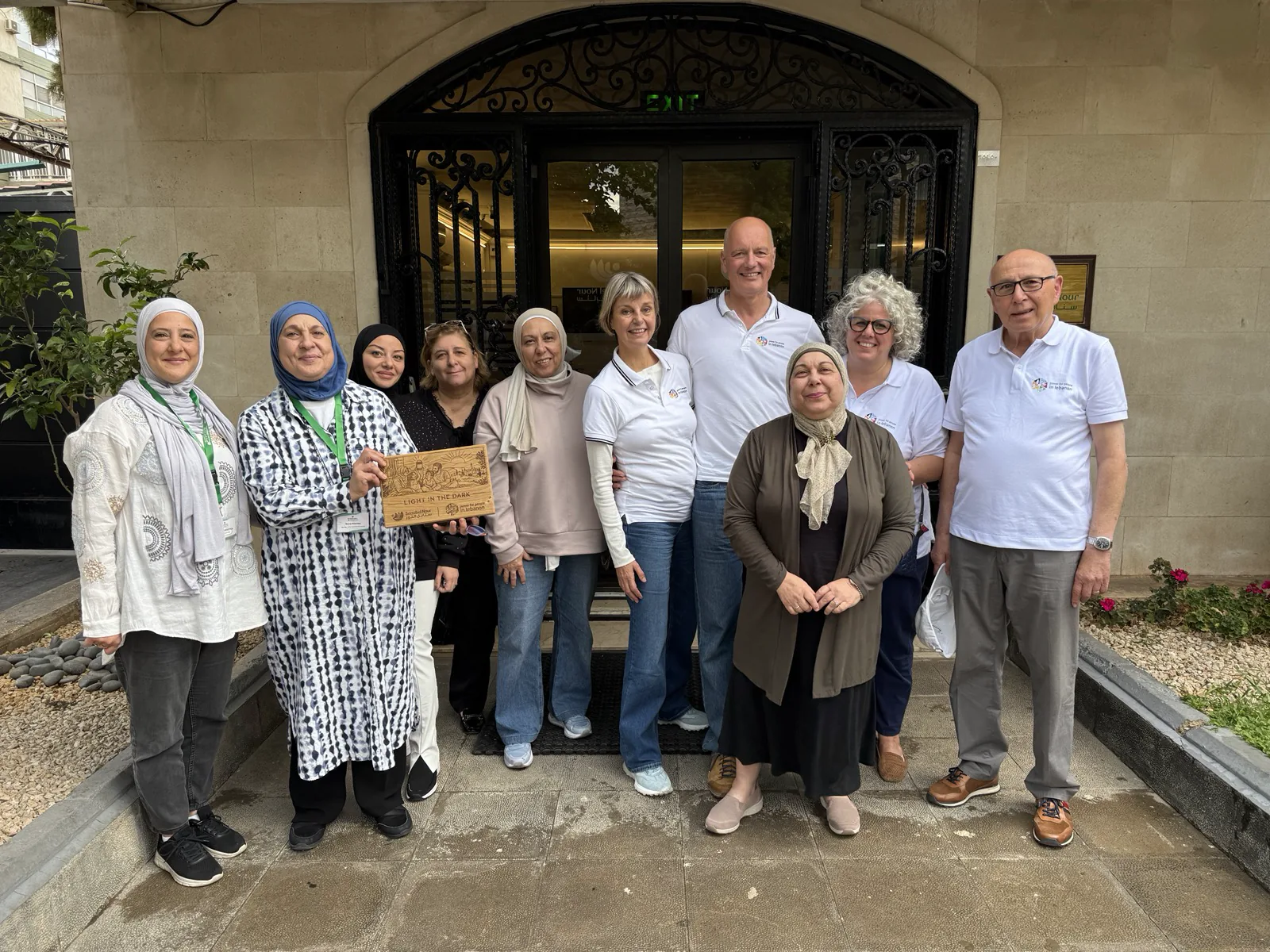
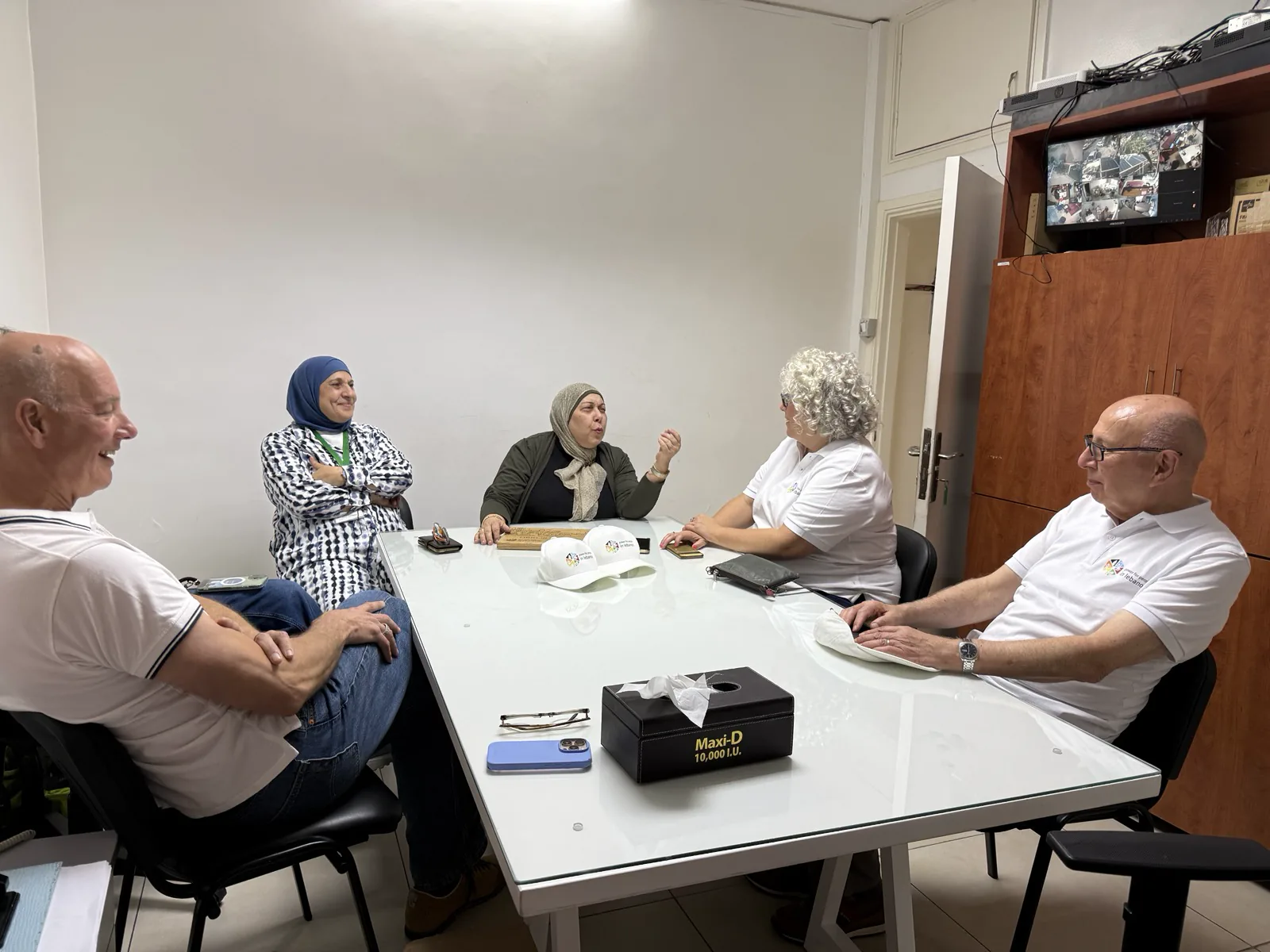
Light in the Dark – a thank-you to Sanabel Nour
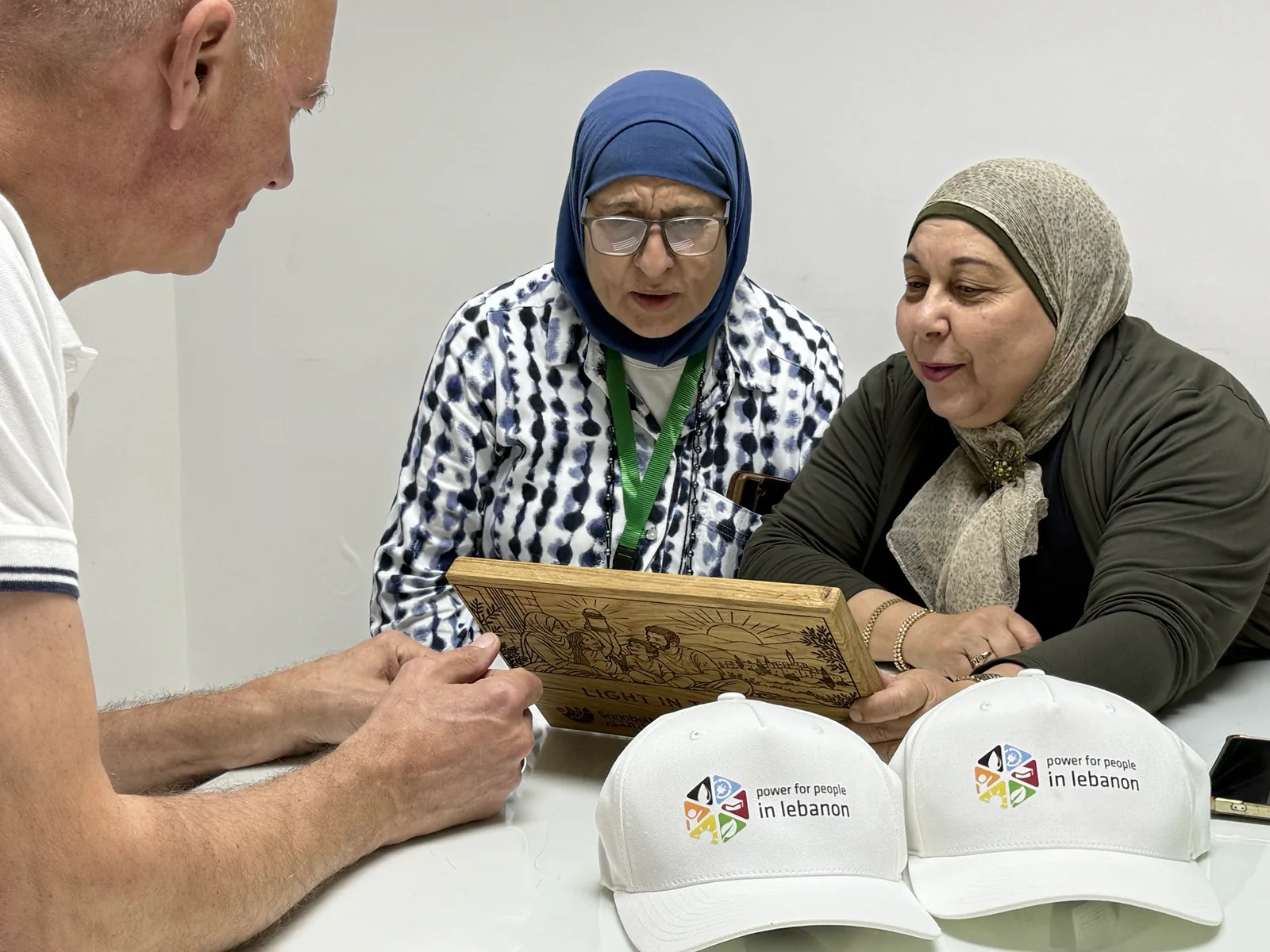
Our work together is built on trust, reliability and people who are committed to helping others. As a token of our gratitude, we present Sanabel Nour with a wooden picture engraved with the words “Light in the Dark”.
It is our way of thanking the team for their dedication and valuable partnership. Behind every solar lamp handed over are people who plan, organise and help – and families for whom light changes everyday life.
On the back is our dedication:
“With heartful gratitude to Sanabel Nour for your dedication, trust, and valuable partnership.
Together, we bring light into homes, hope to families, and make lasting difference in people’s life.
Together, we bring light.
Together, we create hope.”
Power for People in Lebanon e.V.
November 2026
Thank you, Sanabel Nour – for your trust and for everything we can achieve together.
Tripoli · Lebanon
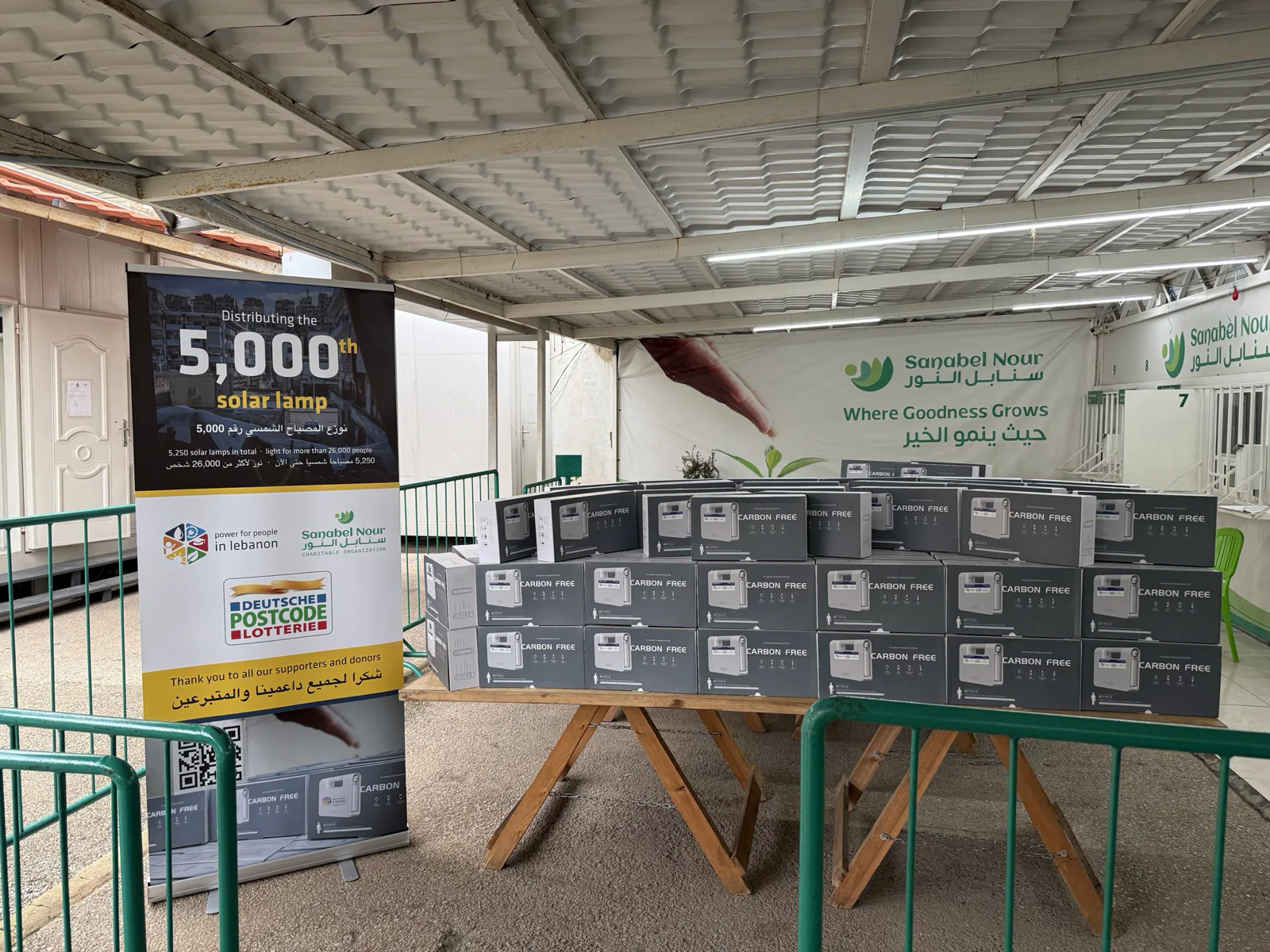
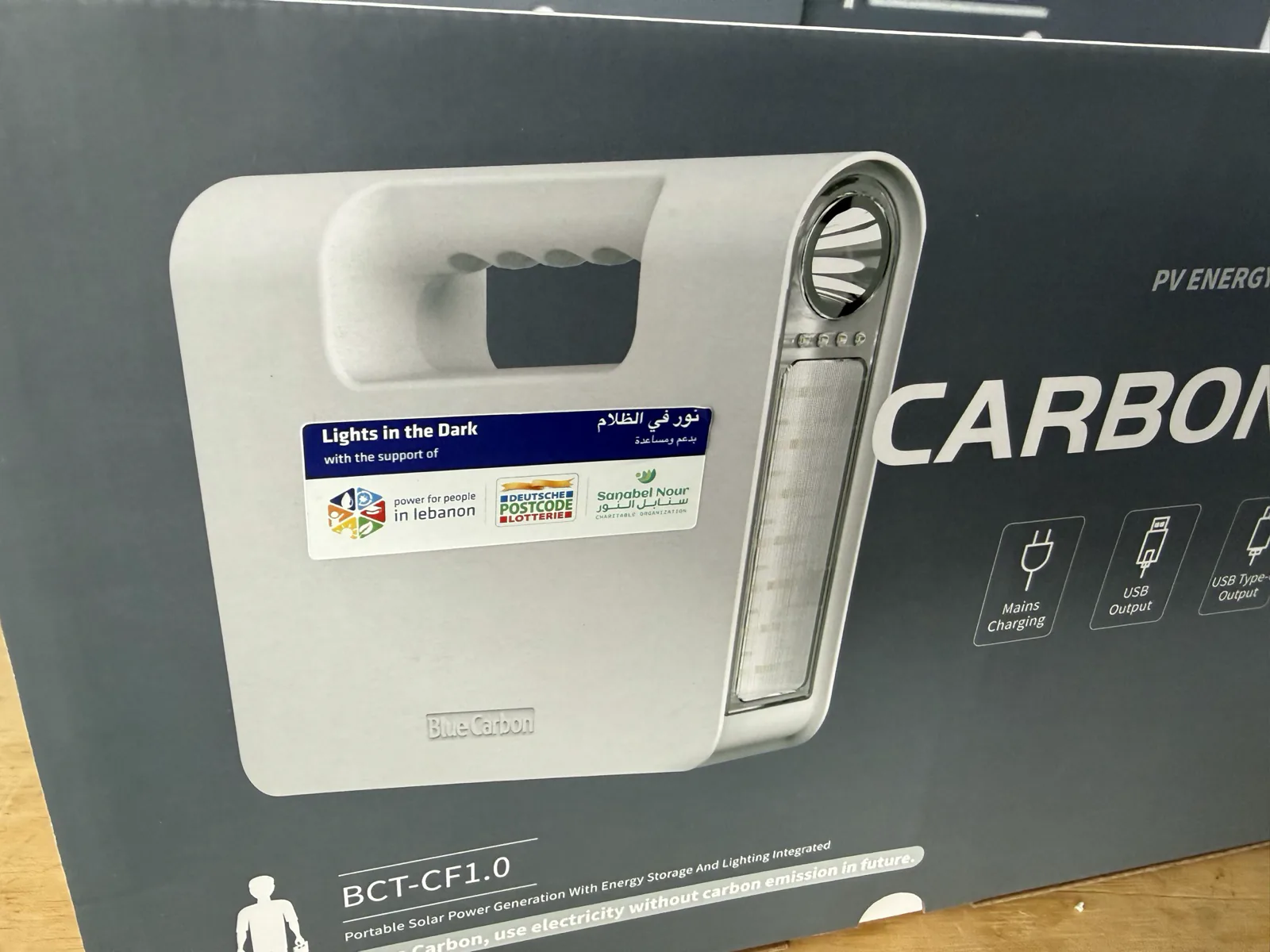
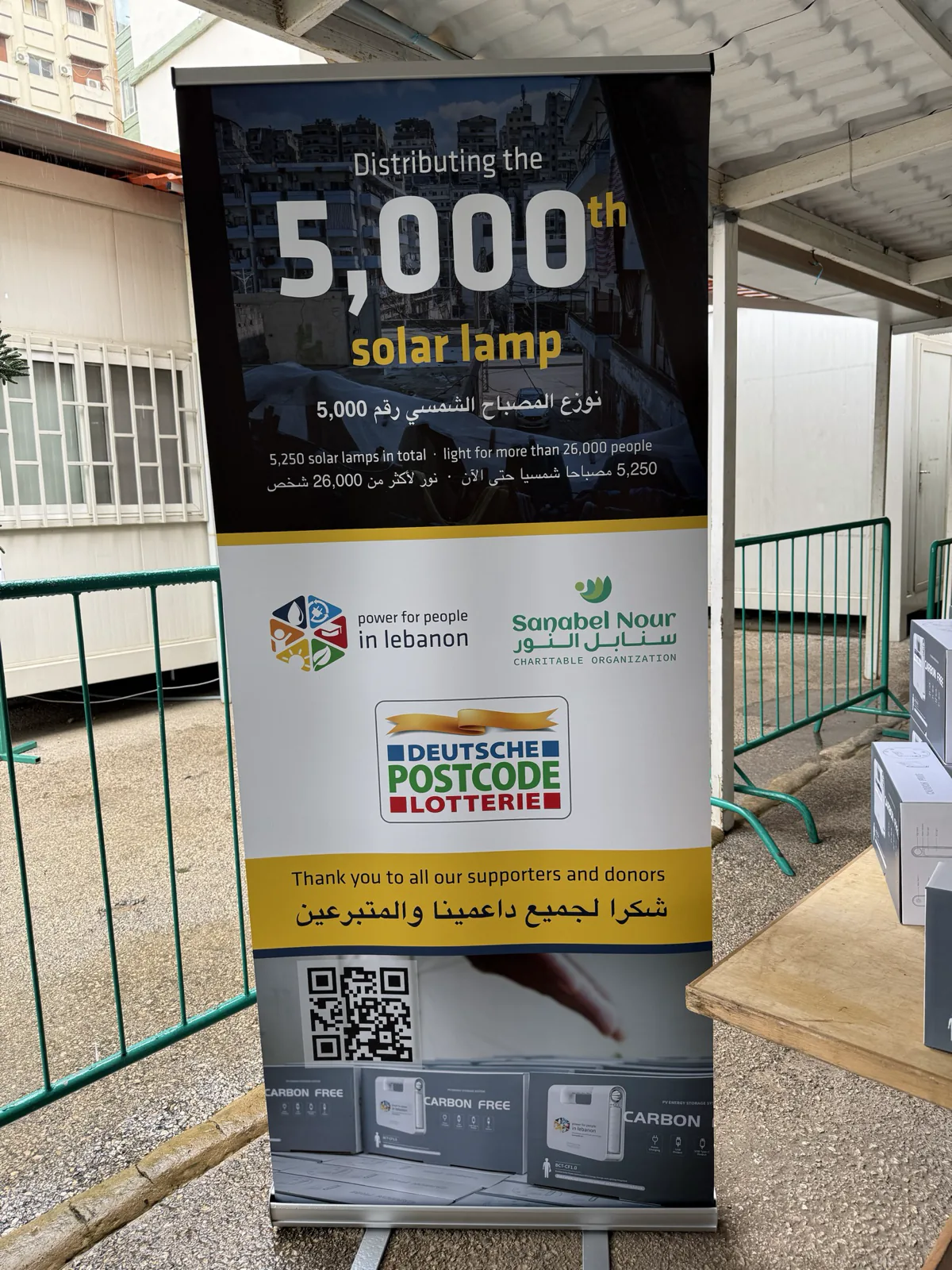
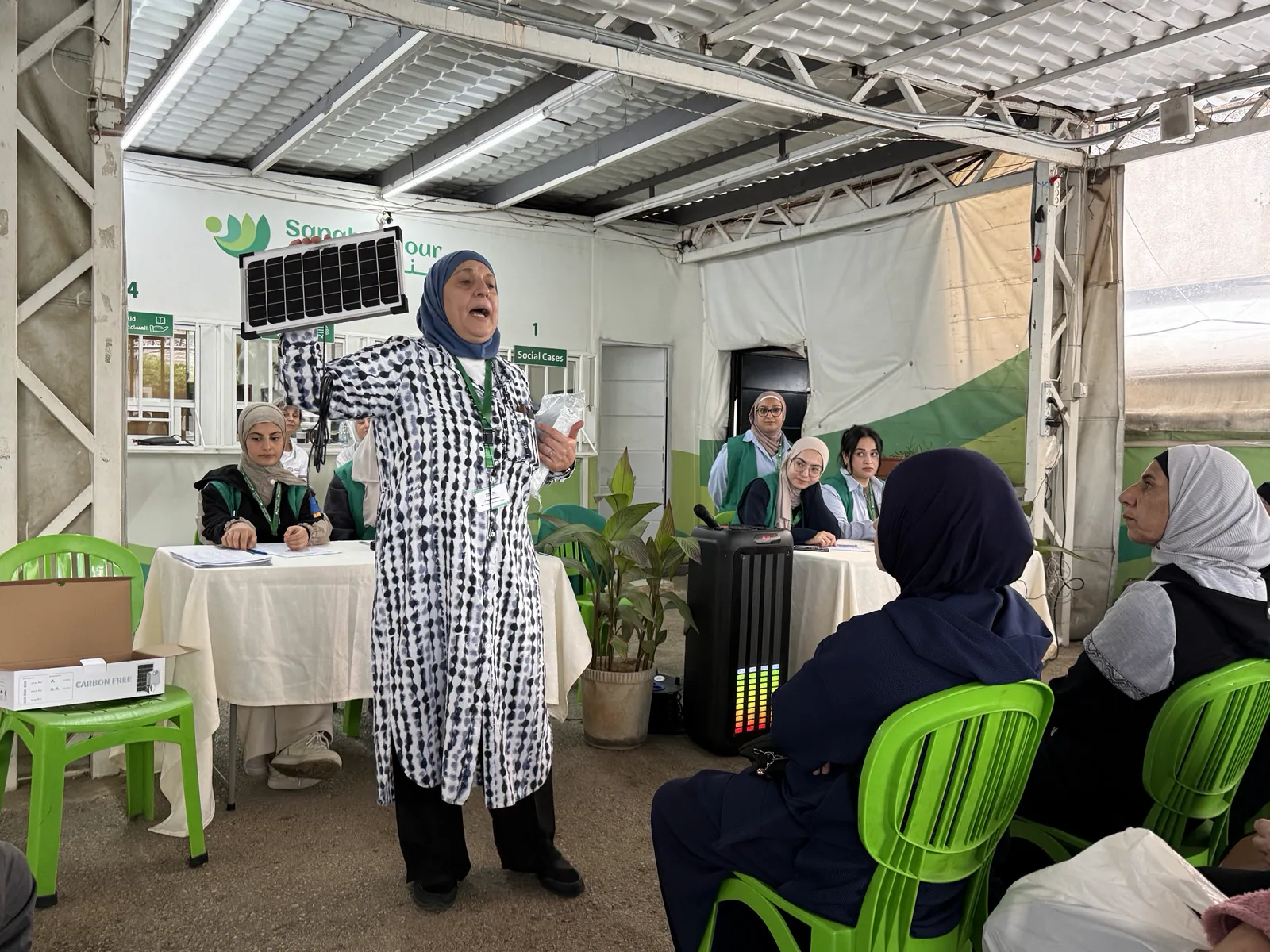
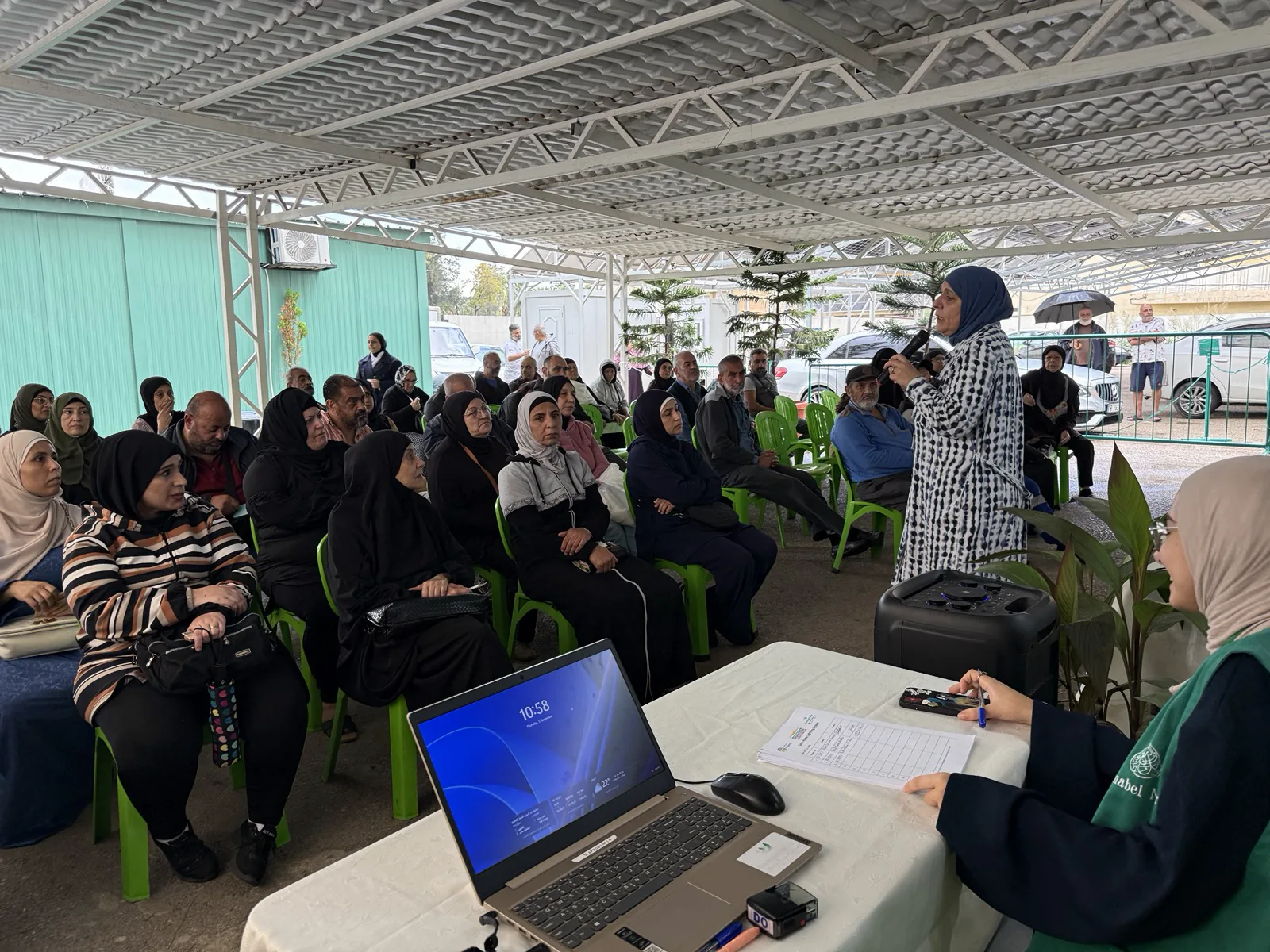
Day two: rain outside, joy among us. 💡
After yesterday’s moving encounters, the distribution continues today. Tripoli is a little rainy, but it does nothing to dampen our motivation or joy. Together with Sanabel Nour, we are handing over the next solar lamps to families.
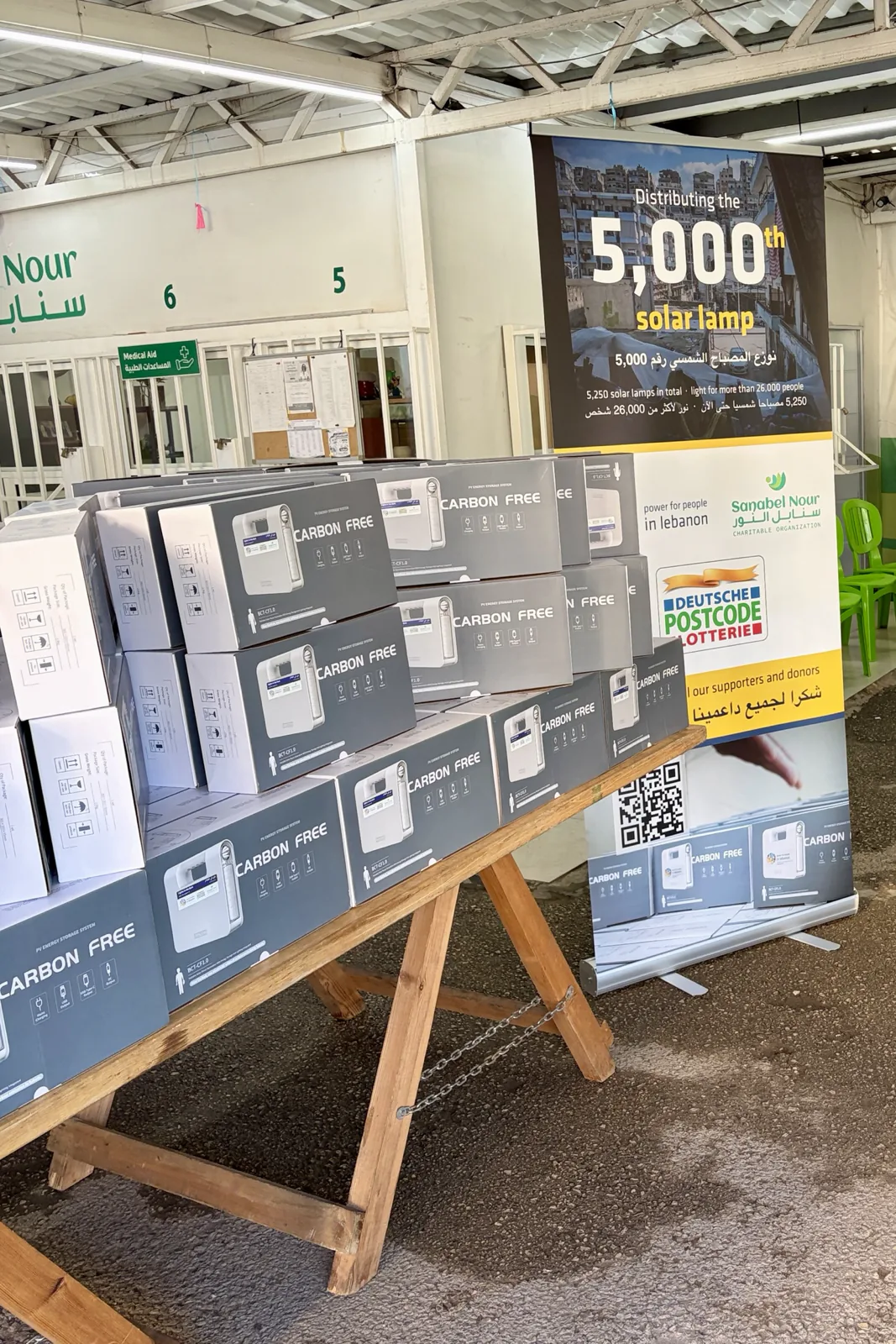
The boxes are ready, and our team is at work. Every handover brings us together with people for whom reliable light makes a difference in everyday life.
The distribution also includes a practical introduction to the solar devices. The families are shown how to use the device and solar panel and have the opportunity to ask questions. This helps them make good use of their new light at home.
Our partner Sanabel Nour has been active in Tripoli since 1995. Founded by a group of Lebanese women, the organisation supports families in Tripoli and northern Lebanon. Its work ranges from education and medical assistance to food support and help for orphaned children.
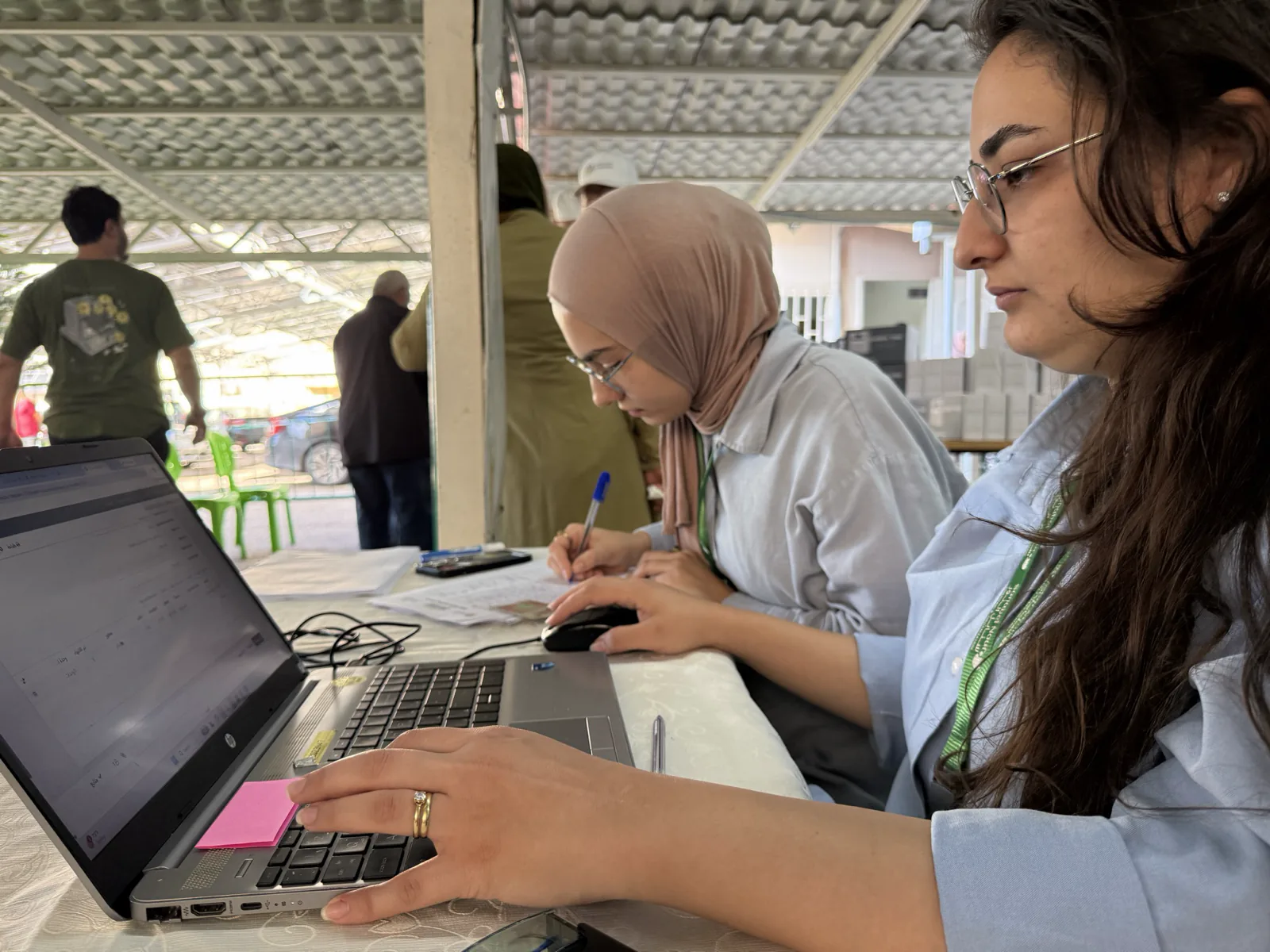
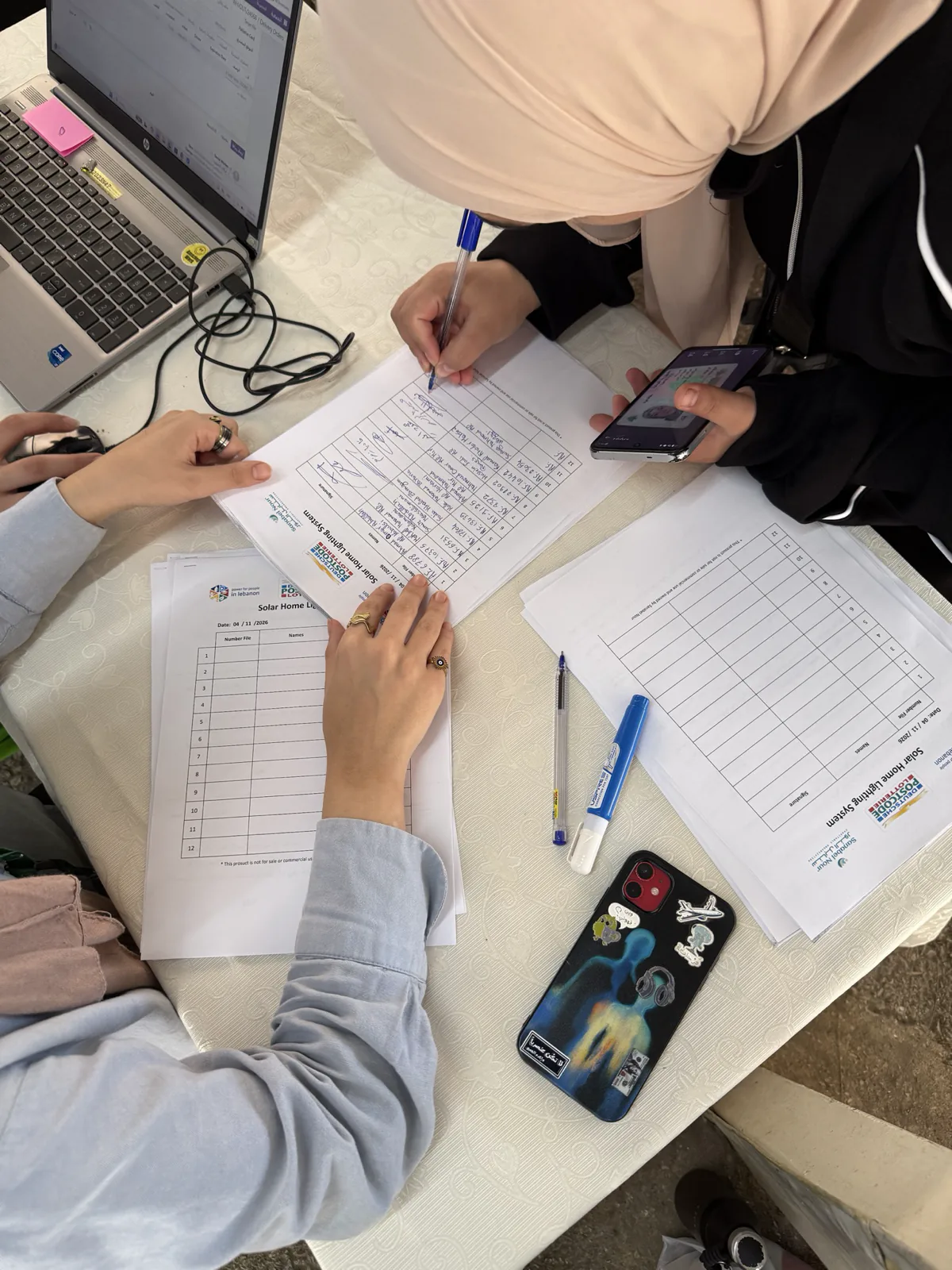
During our joint distribution, we see how important this local work is. The Sanabel Nour team brings its experience and direct contact with families. Together, we assess needs, organise handovers and document who receives a lamp. This helps our support reach the people who need it.
We keep going. Lights on! ☀️💡
Tripoli · Lebanon
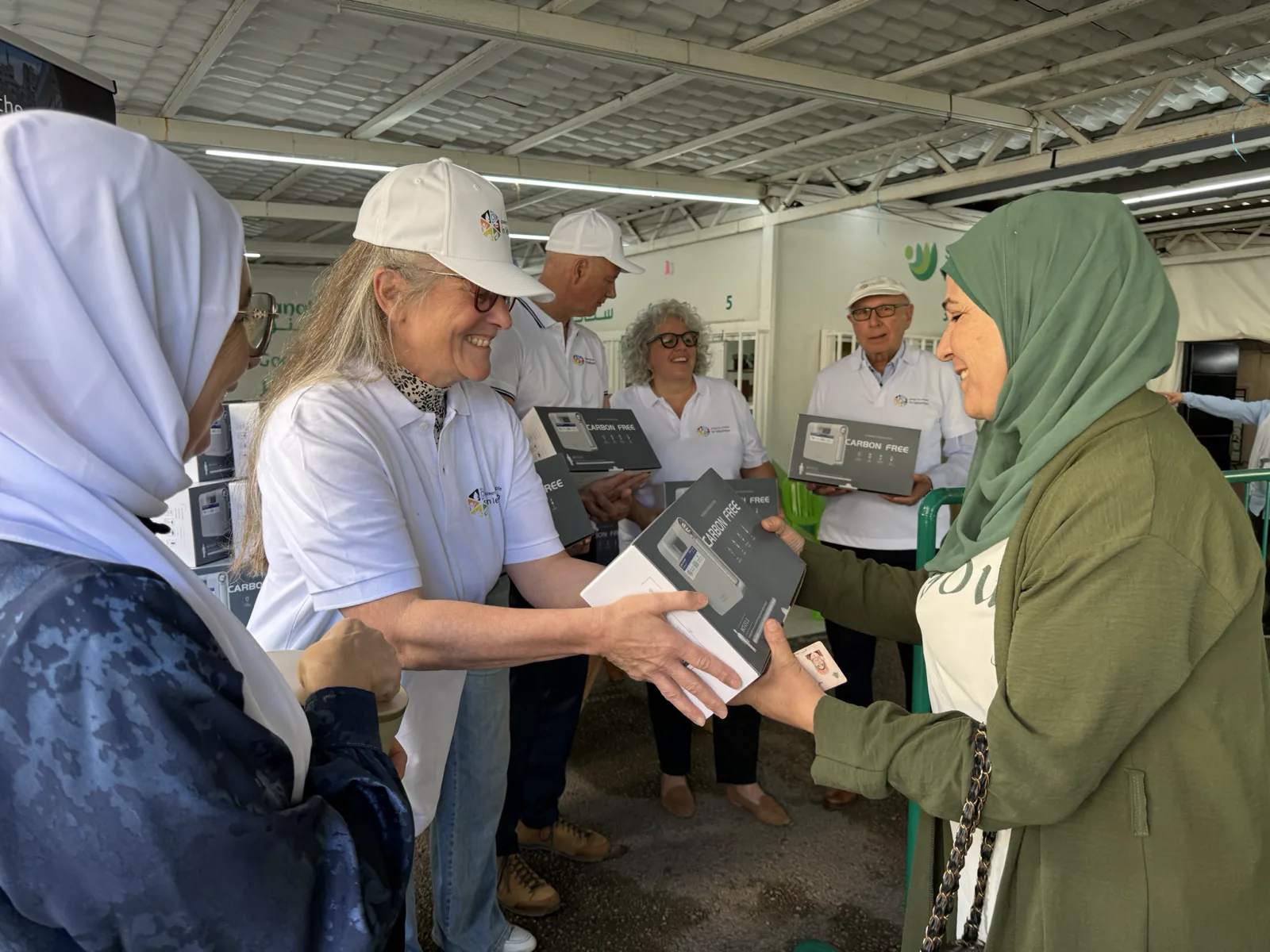
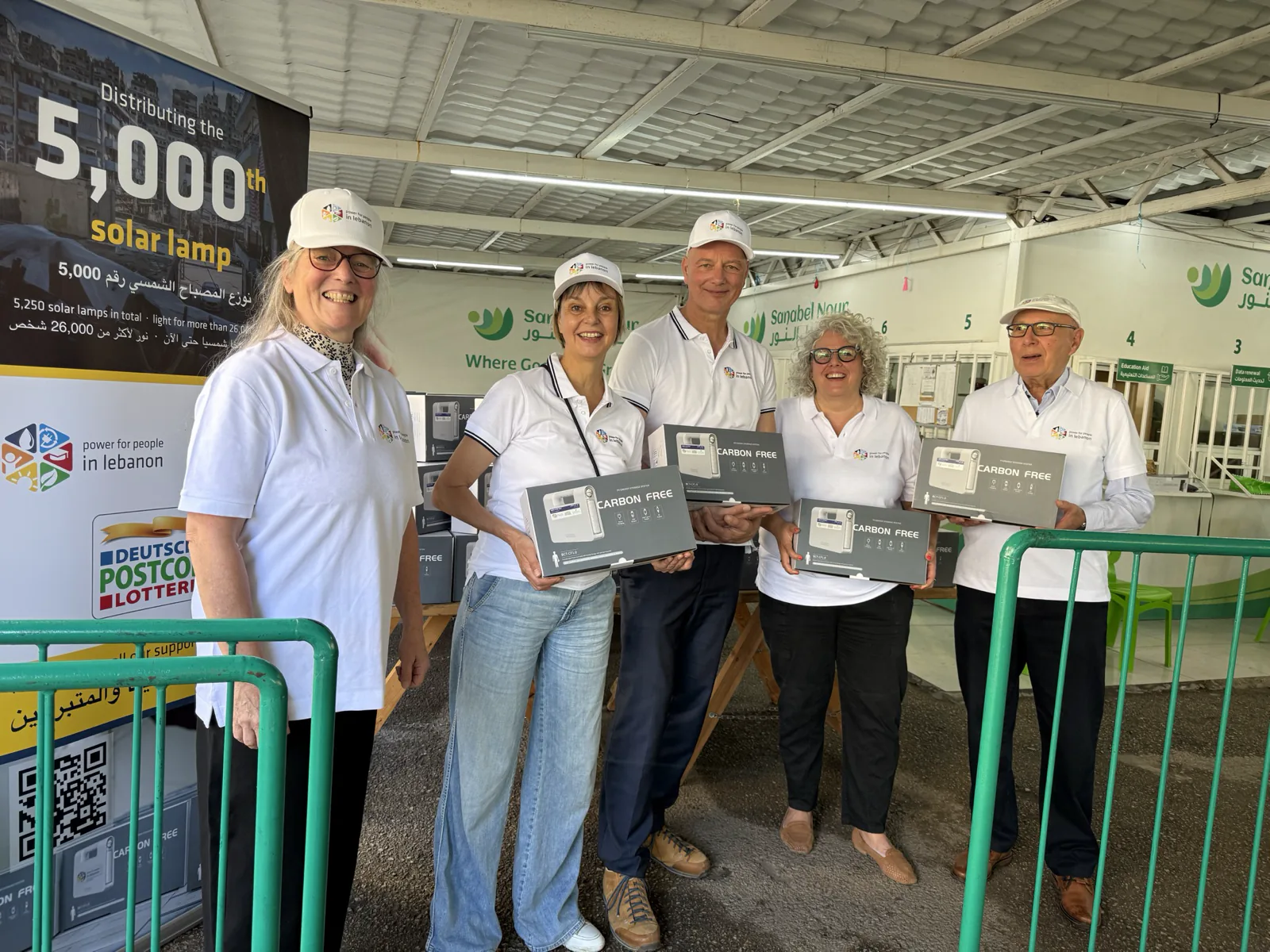
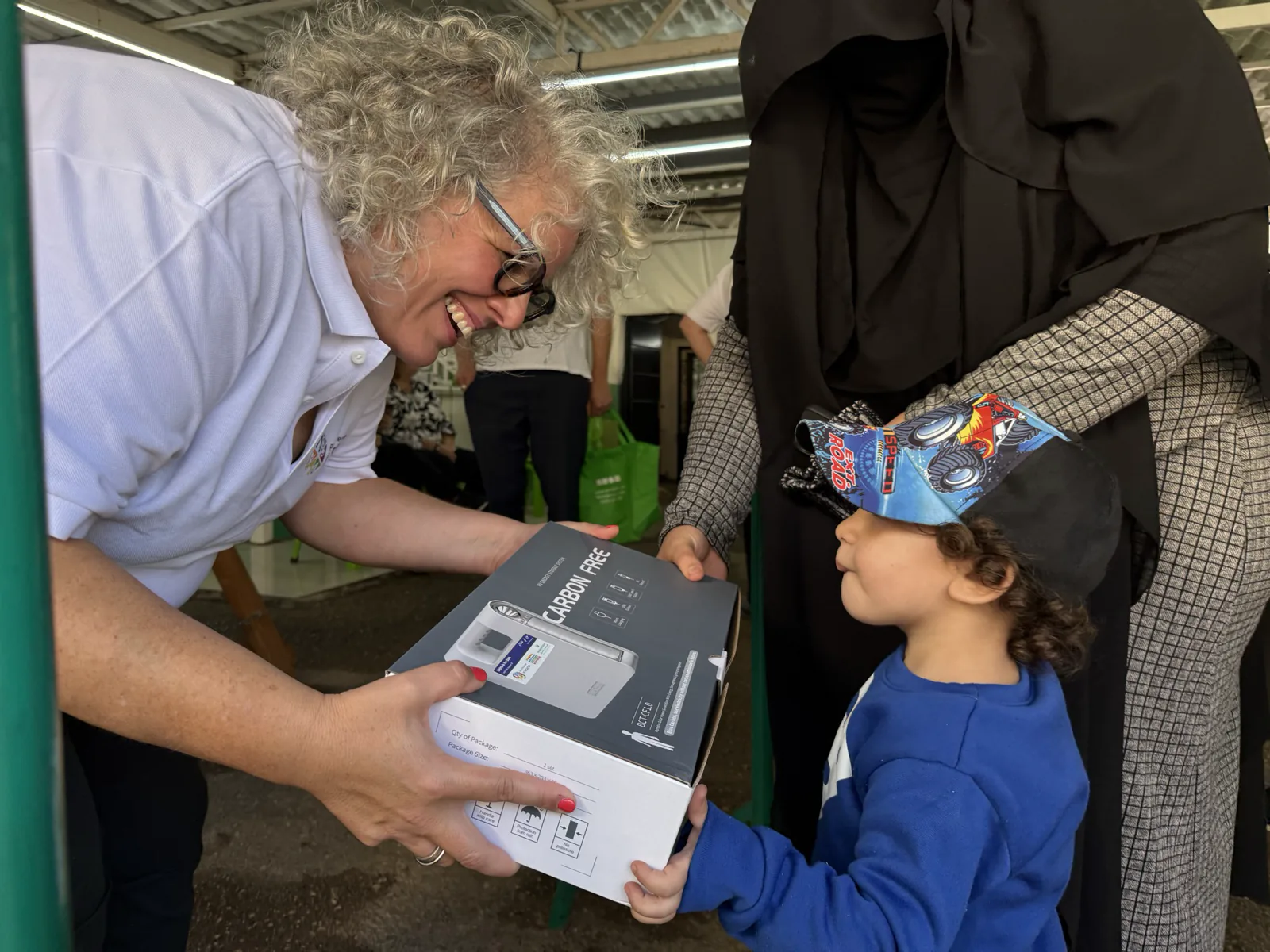
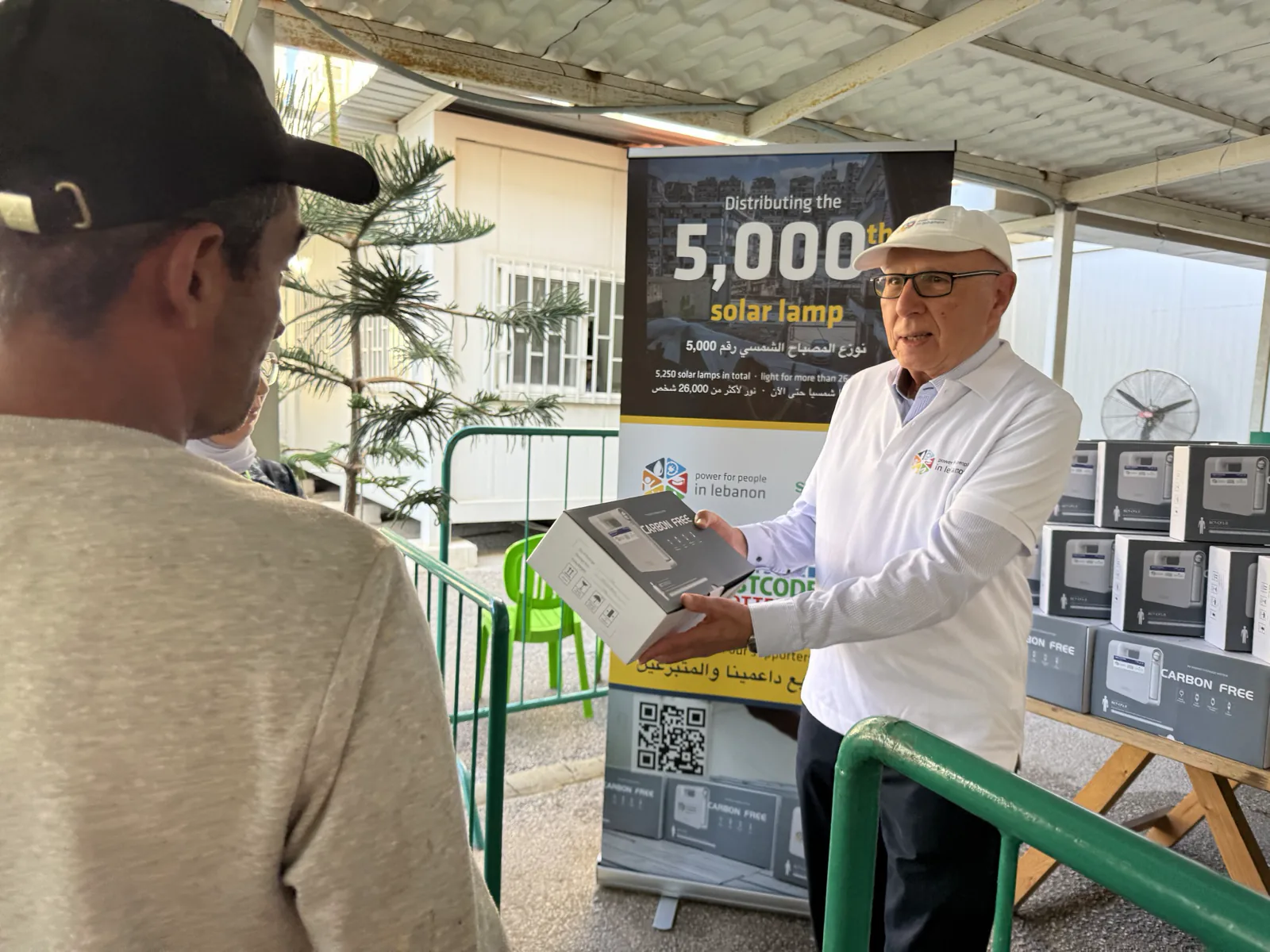
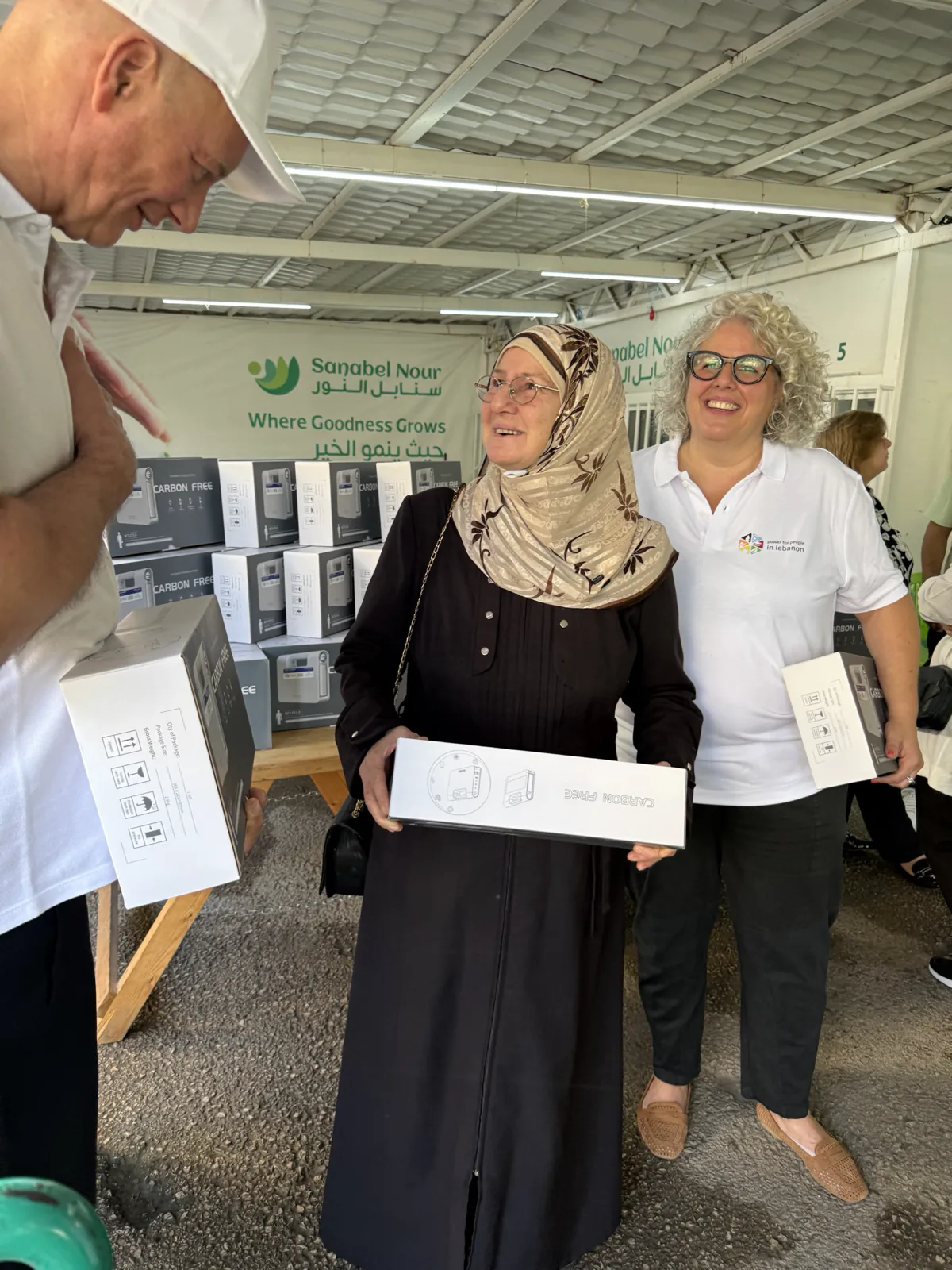
Today, it is not just the lamps that shine. 💡
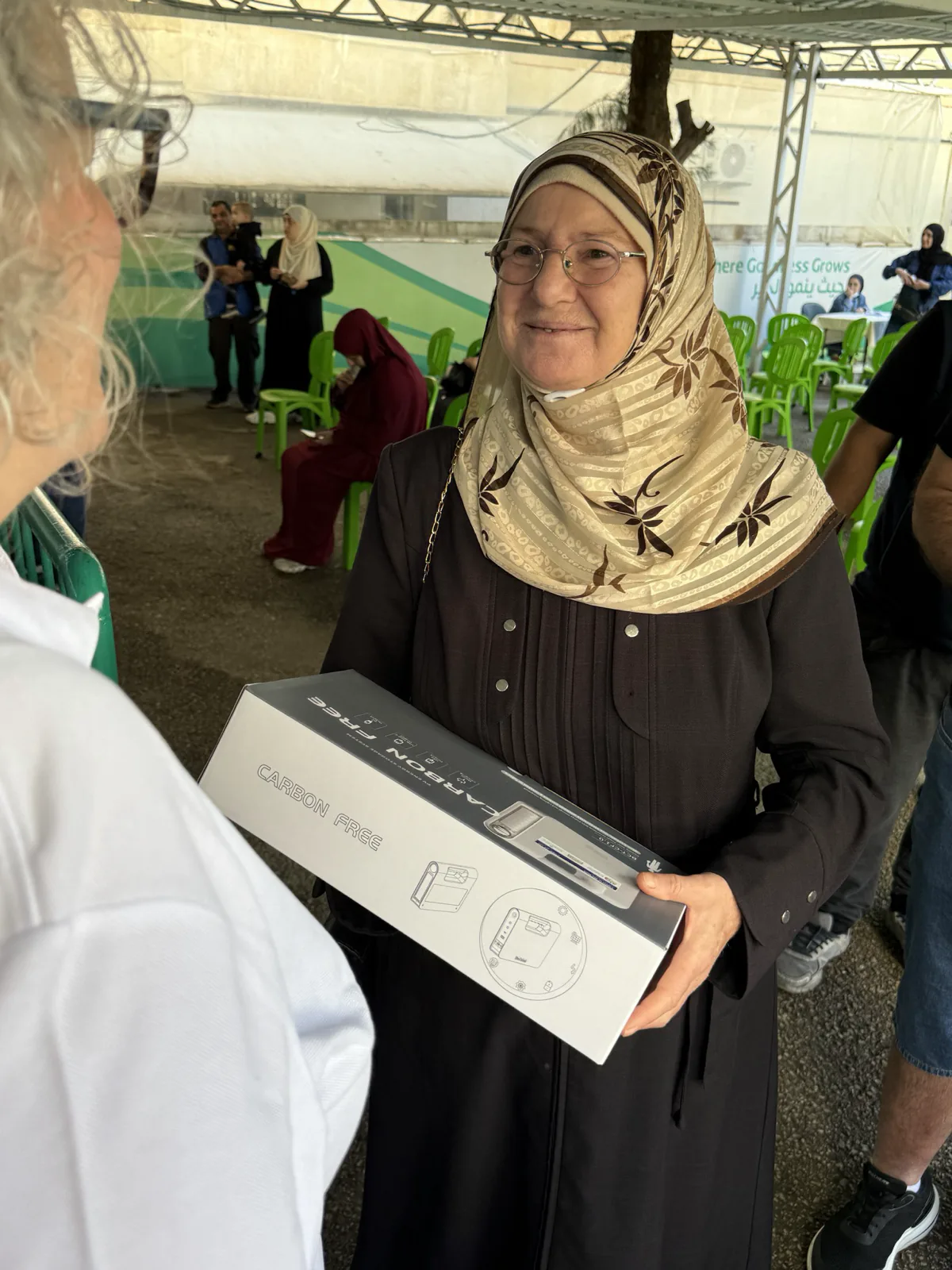
After all the preparations, the moment is finally here: together with our partner Sanabel Nour, we are distributing solar lamps to many families. Everything is running wonderfully, and we are proud and happy to share this moment.
Joining us on the ground for PPLEB are Mahmoud Chatah, Rana Adib, Abdelrahman Adib, Barbara Frei and Petra Meirink, accompanied by photographer Britta Radike, who is capturing these special encounters. Our team is spread across Europe: Rana joins us from France, Petra from the Netherlands. Here in Lebanon, one shared purpose brings us together: to offer families practical support.
What moves us most are the personal encounters: a warm smile as we hand over a lamp, a hug, a child looking curiously at the box. The gratitude we receive touches us deeply. After months of planning, we are now meeting the people all this work is for.
Careful work matters too: together with Sanabel Nour, we assess needs and document exactly which families receive a solar lamp. This keeps a clear record of who receives the support.
This evening, a new light will shine in many of these homes. Children can spend longer reading and studying, and families can enjoy their evenings together with light. That prospect makes us just as happy as the joy we are witnessing during the distribution.
A heartfelt thank you to the team at Sanabel Nour, our volunteers and everyone supporting us through donations. You make this day possible.
The distribution is underway, and we are right in the middle of it. Lights on! ☀️💡
Tripoli · Lebanon
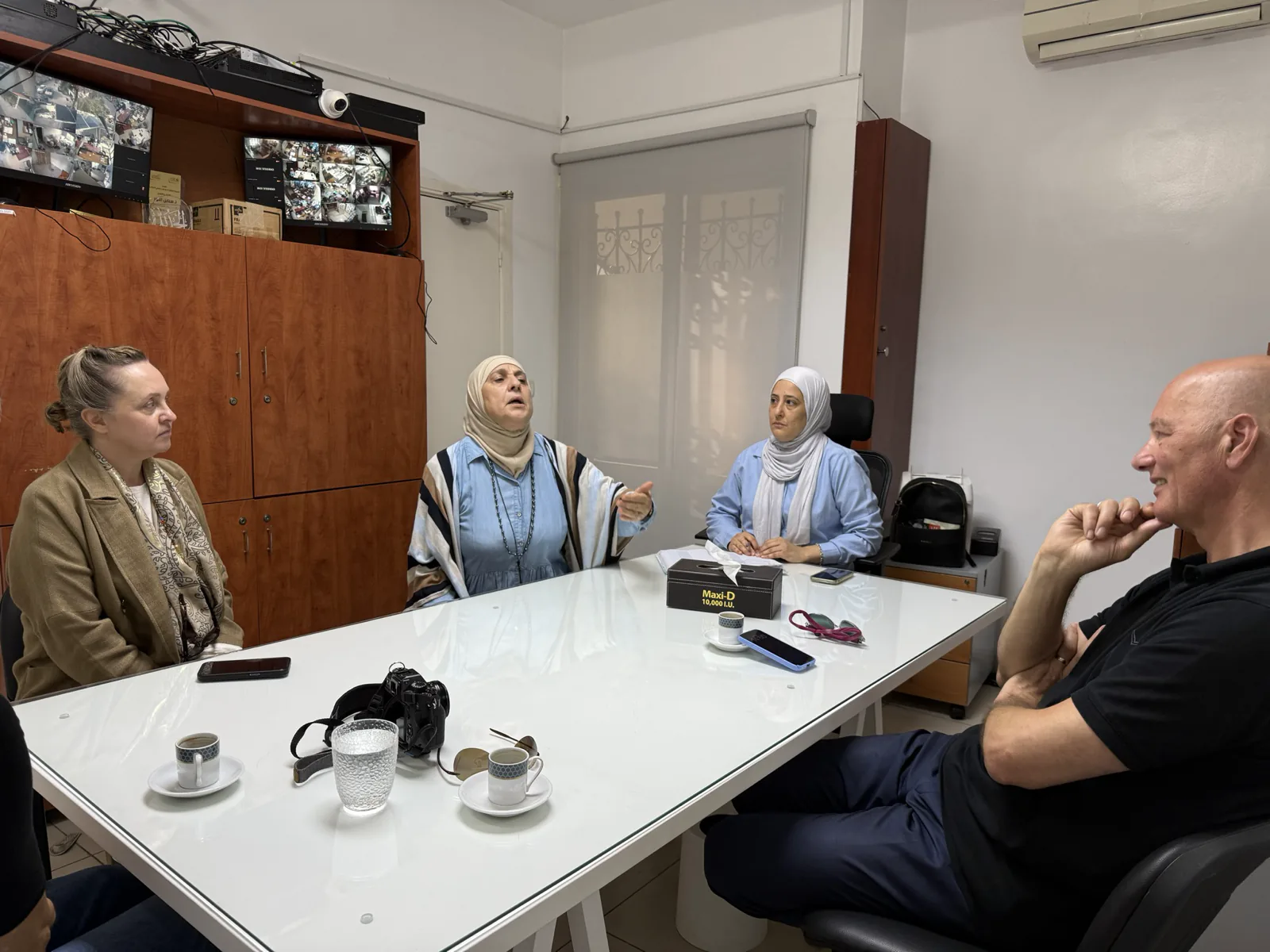
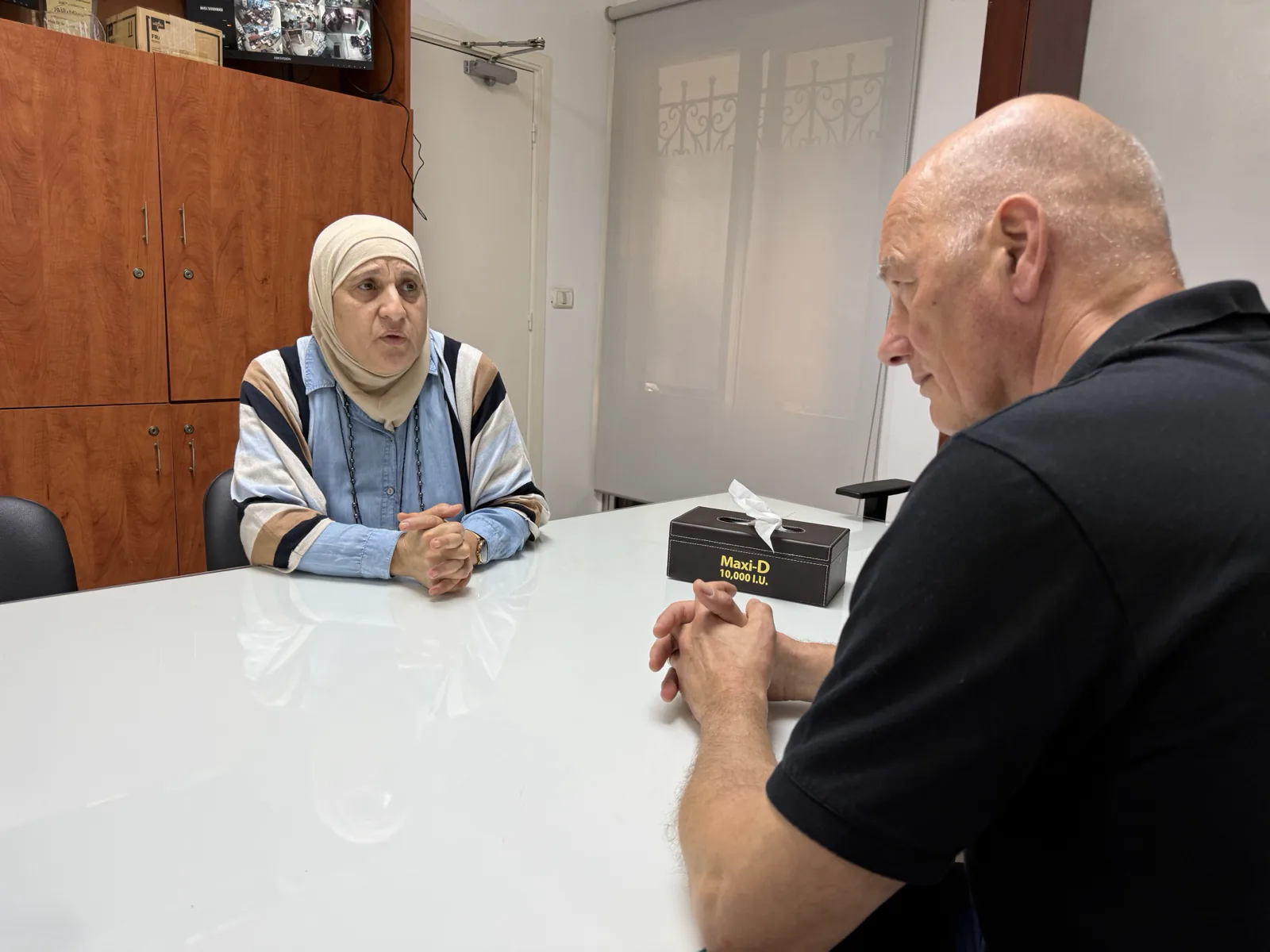
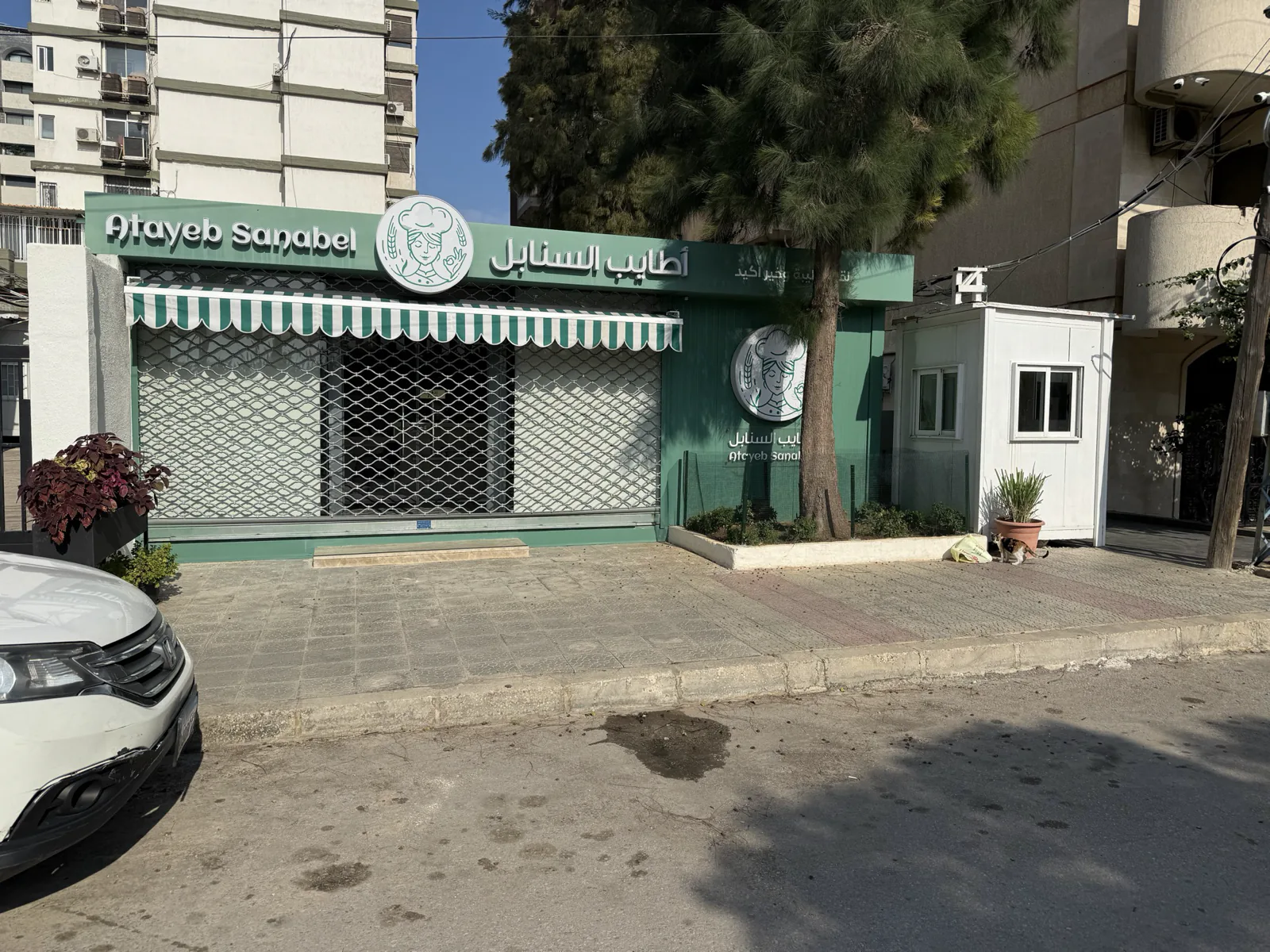
The next 1,000 devices – together with Sanabel Nour
Following our visit to Khan Al Saboun, we meet with our partner Sanabel Nour to prepare for tomorrow’s distribution. After all the planning, we are looking forward to finally handing over the next 1,000 solar devices to families.
With this distribution, we will have handed over a total of 5,000 devices. At this time of year, when darkness comes early, light makes a big difference: children can do their homework, read and study for longer in the evening.
Our thanks go to the team at Sanabel Nour and everyone whose donations and commitment make this support possible. Tomorrow, our shared preparations will turn into practical help.
Tripoli · Lebanon
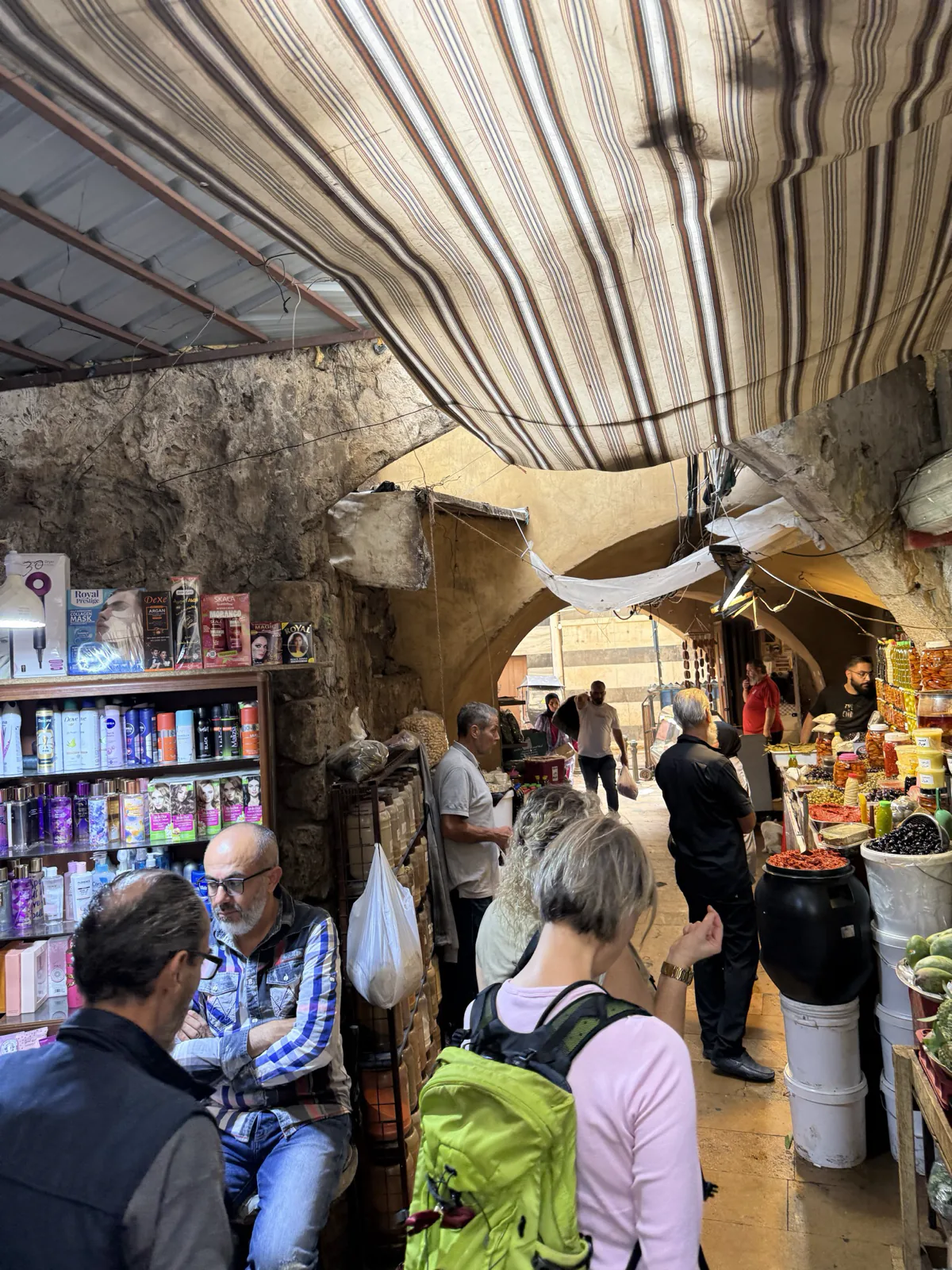
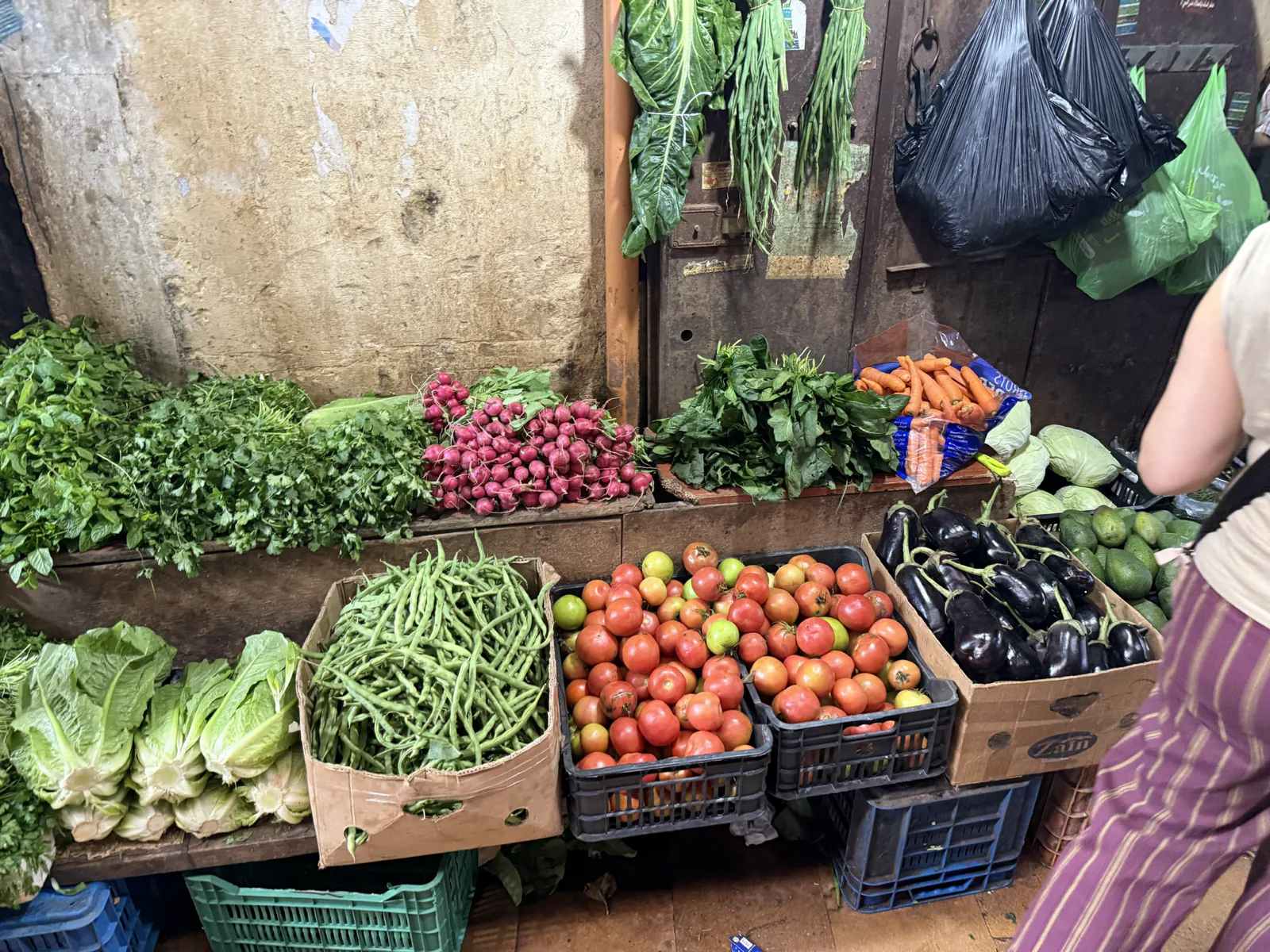
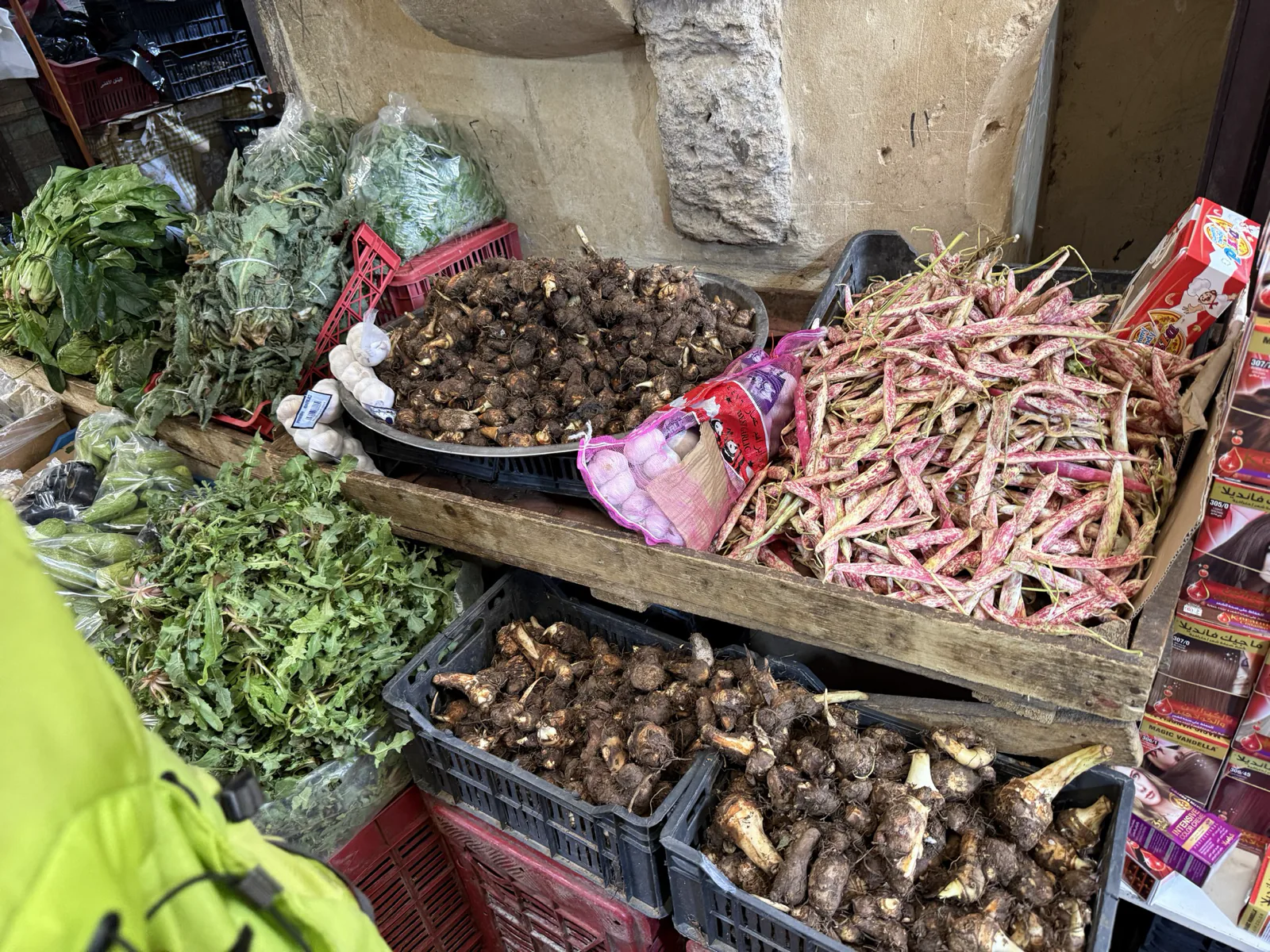
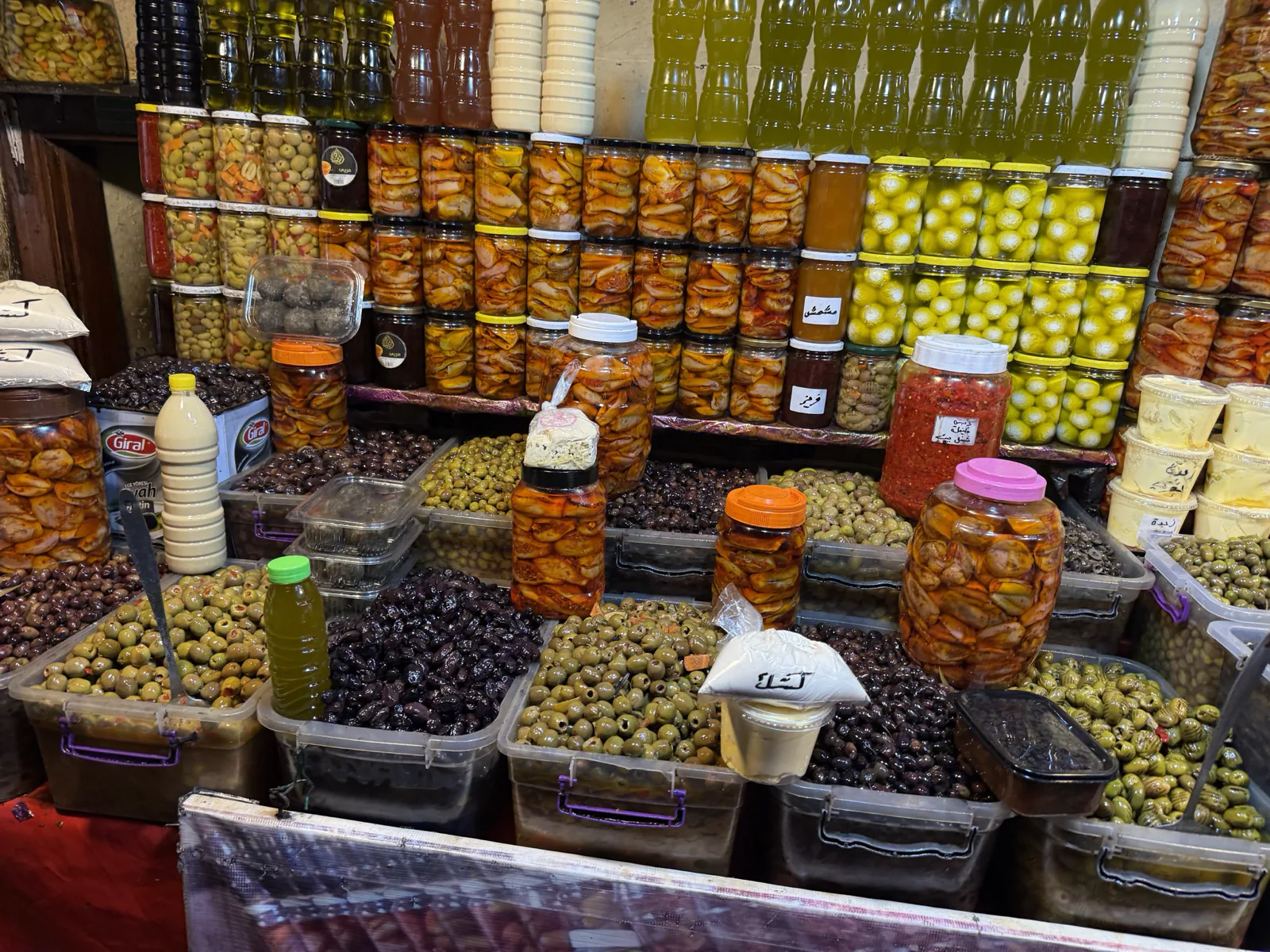
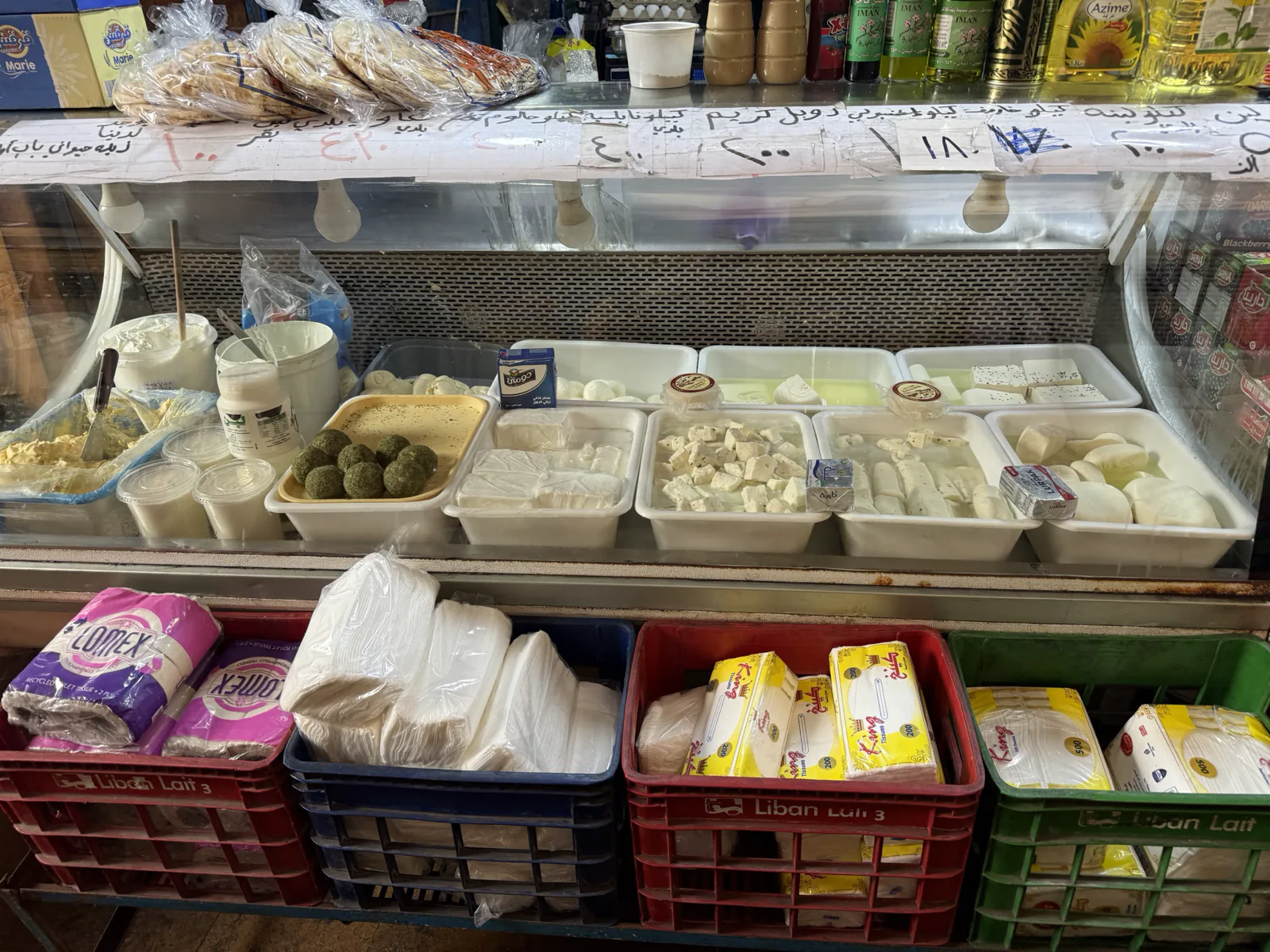
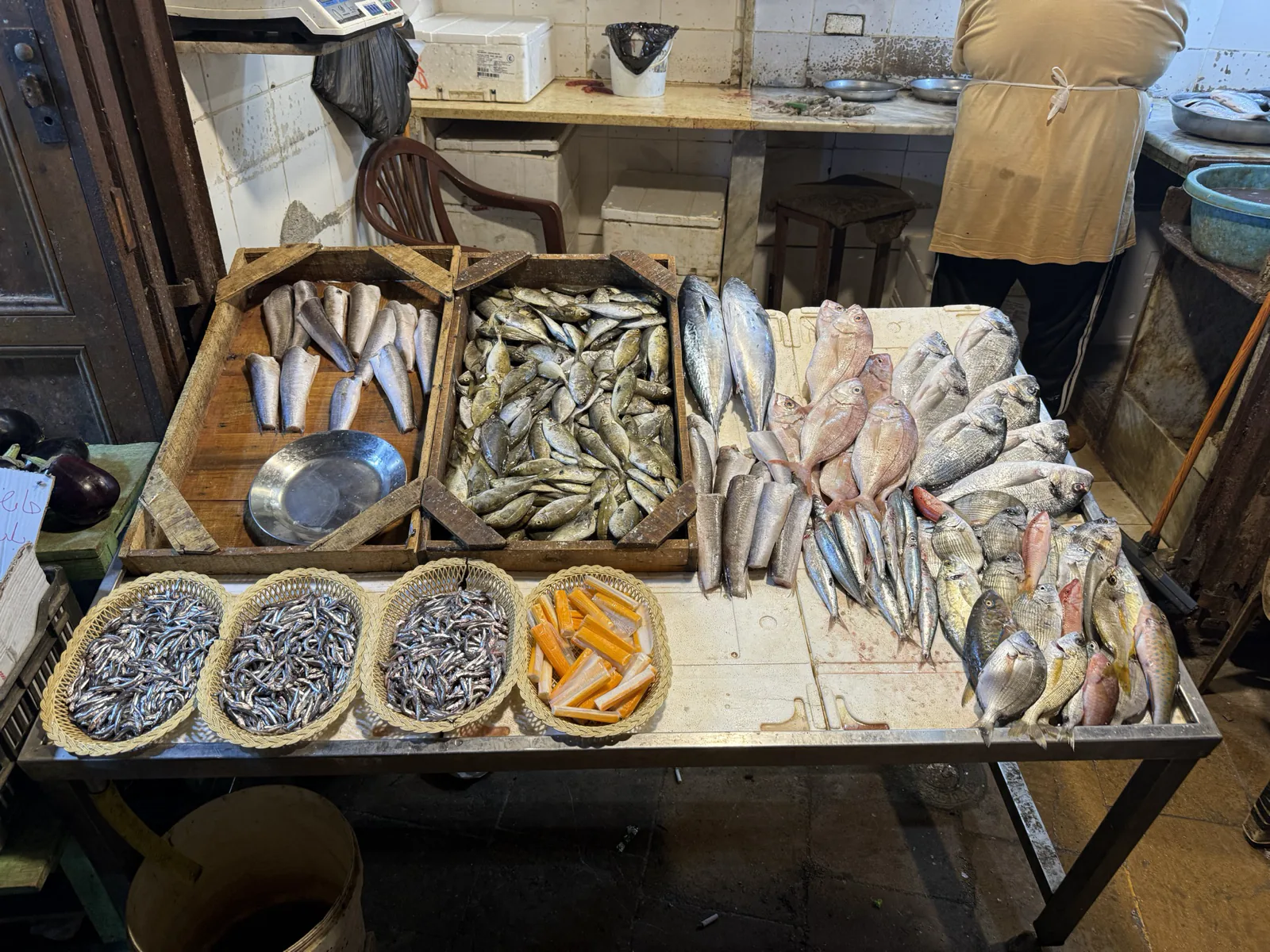
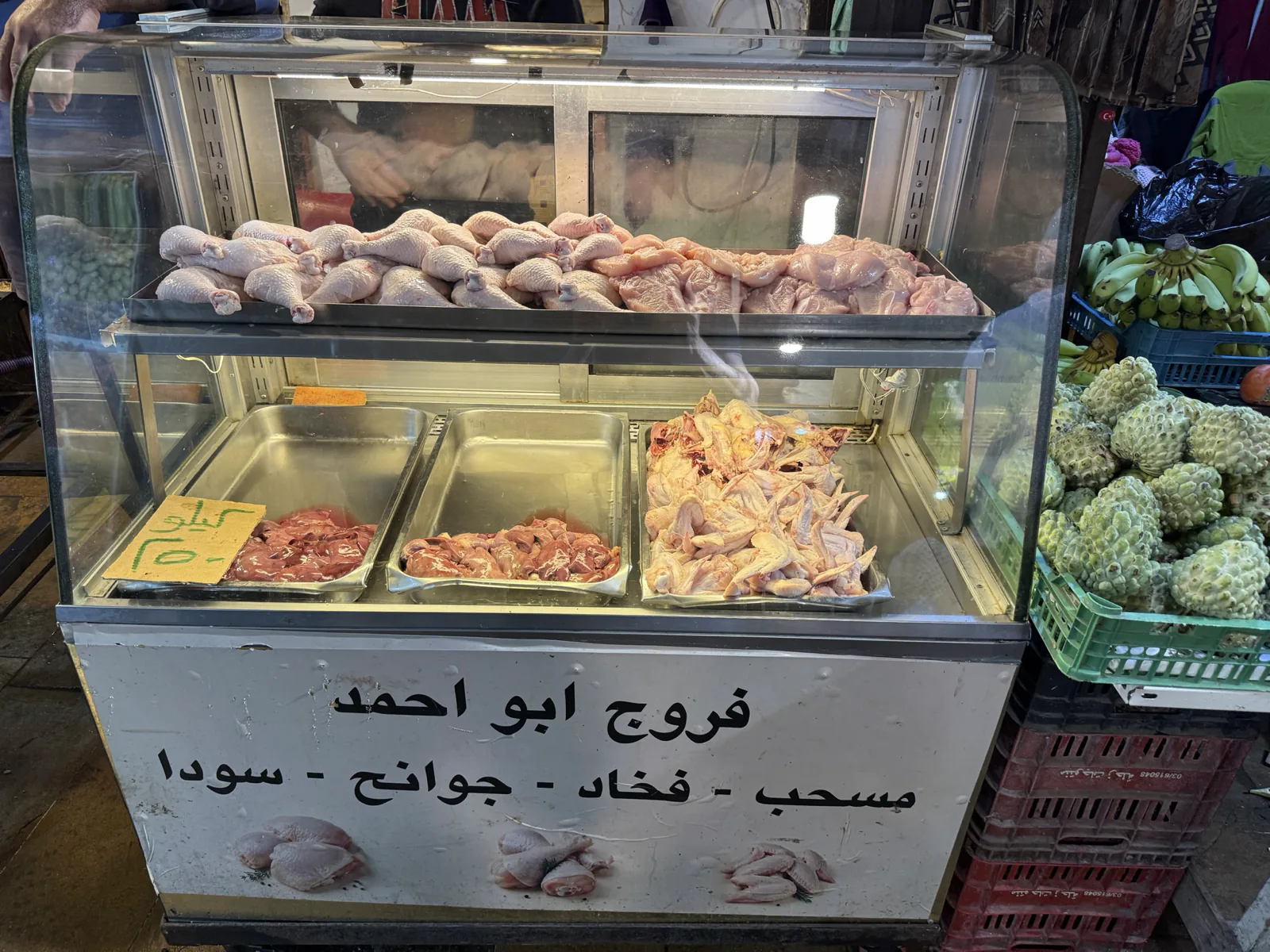
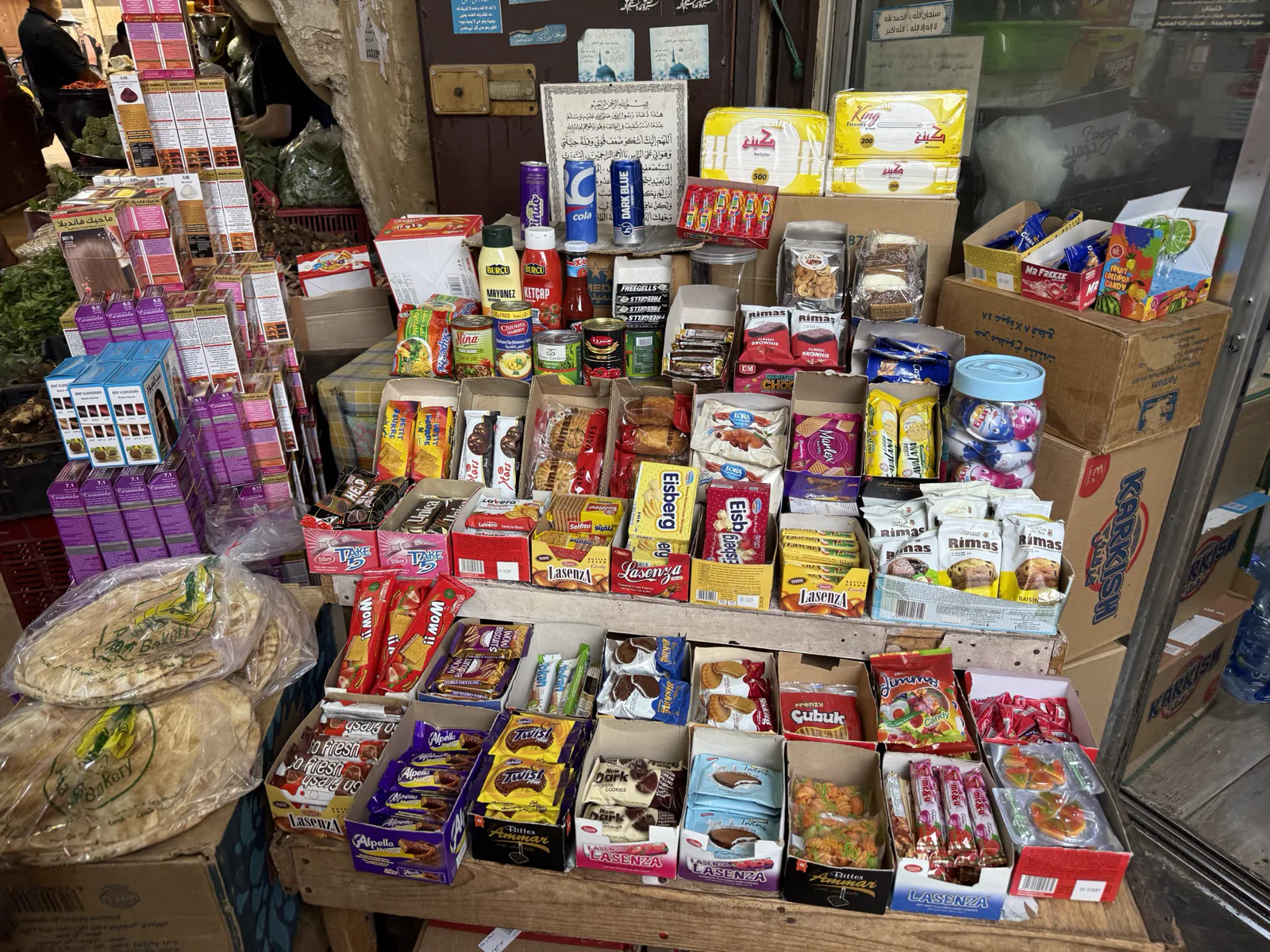
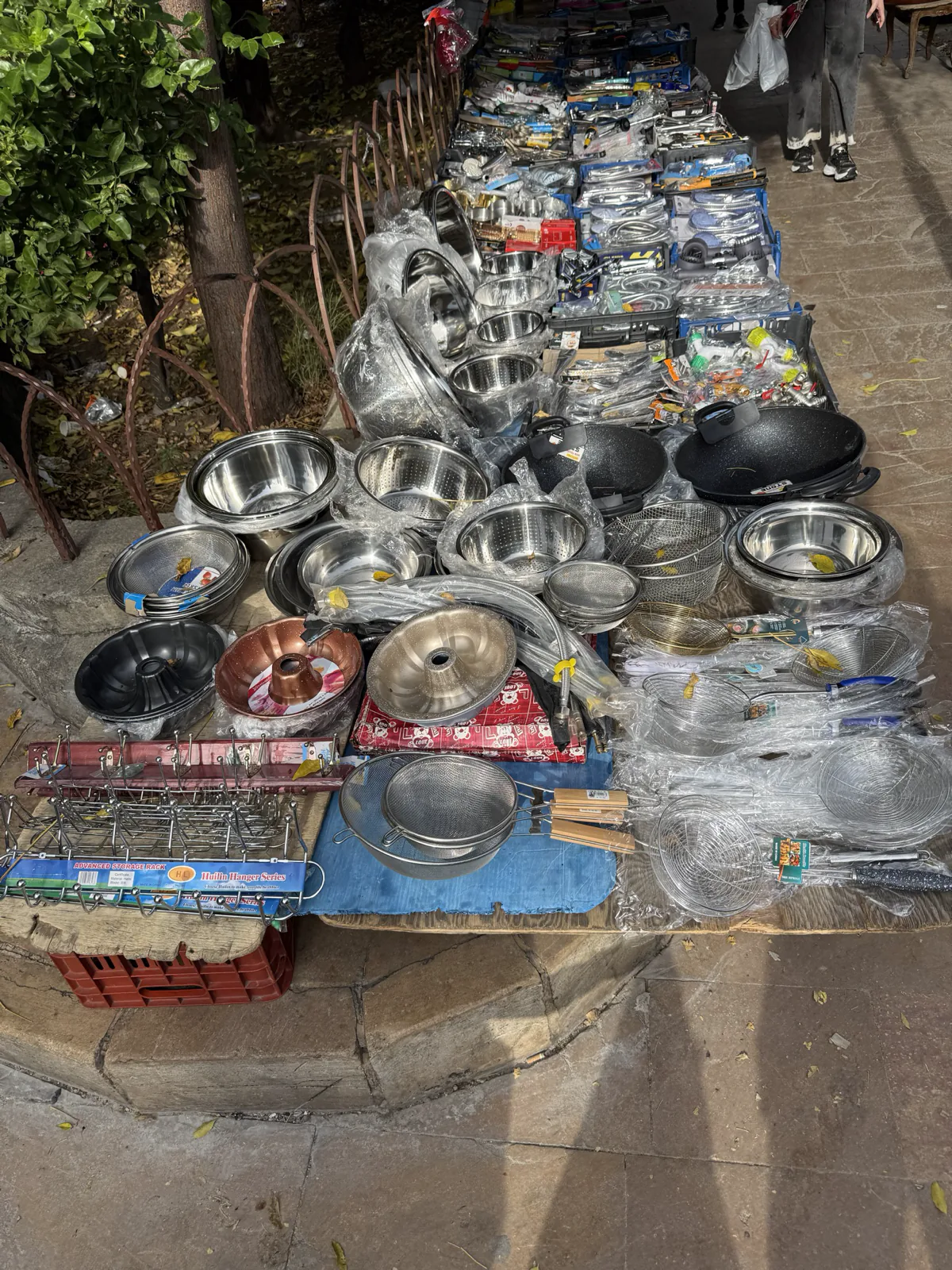
Tripoli’s old market – history and everyday life beneath stone arches
Today, we visit Tripoli’s old souks. Beneath stone arches and fabric awnings, small shops stand close together. People shop, traders stand behind their displays, and we keep stopping to capture the many details.
Our photographs show the variety of the market: herbs, vegetables and pulses, large bowls of olives, preserved specialities and cheese. Fish, poultry and sweets are sold alongside them. A few steps further on, pots, sieves and baking tins gleam in the sunlight. Food and everyday essentials share the limited space here.
The historic market districts have a long and eventful past. Fighting has severely damaged parts of the souks. At the same time, historic buildings and market areas have been restored. Their preservation remains an important task.
During our visit, we experience a lively place where people work and buy what they need. This combination of old walls and present-day life makes the souks special. We leave with many memorable impressions — and a closer view of everyday life in Tripoli.
Tripoli · Lebanon
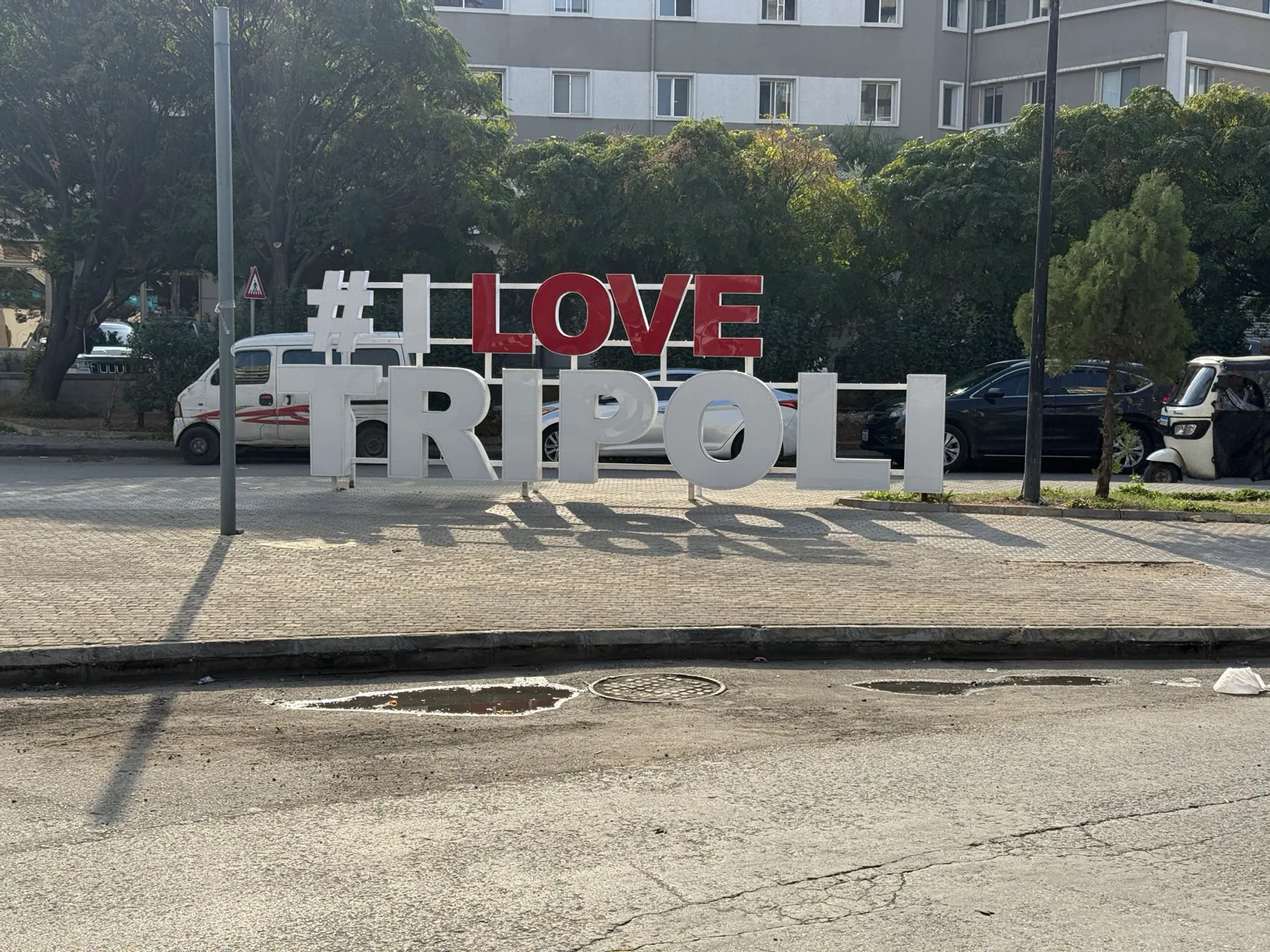
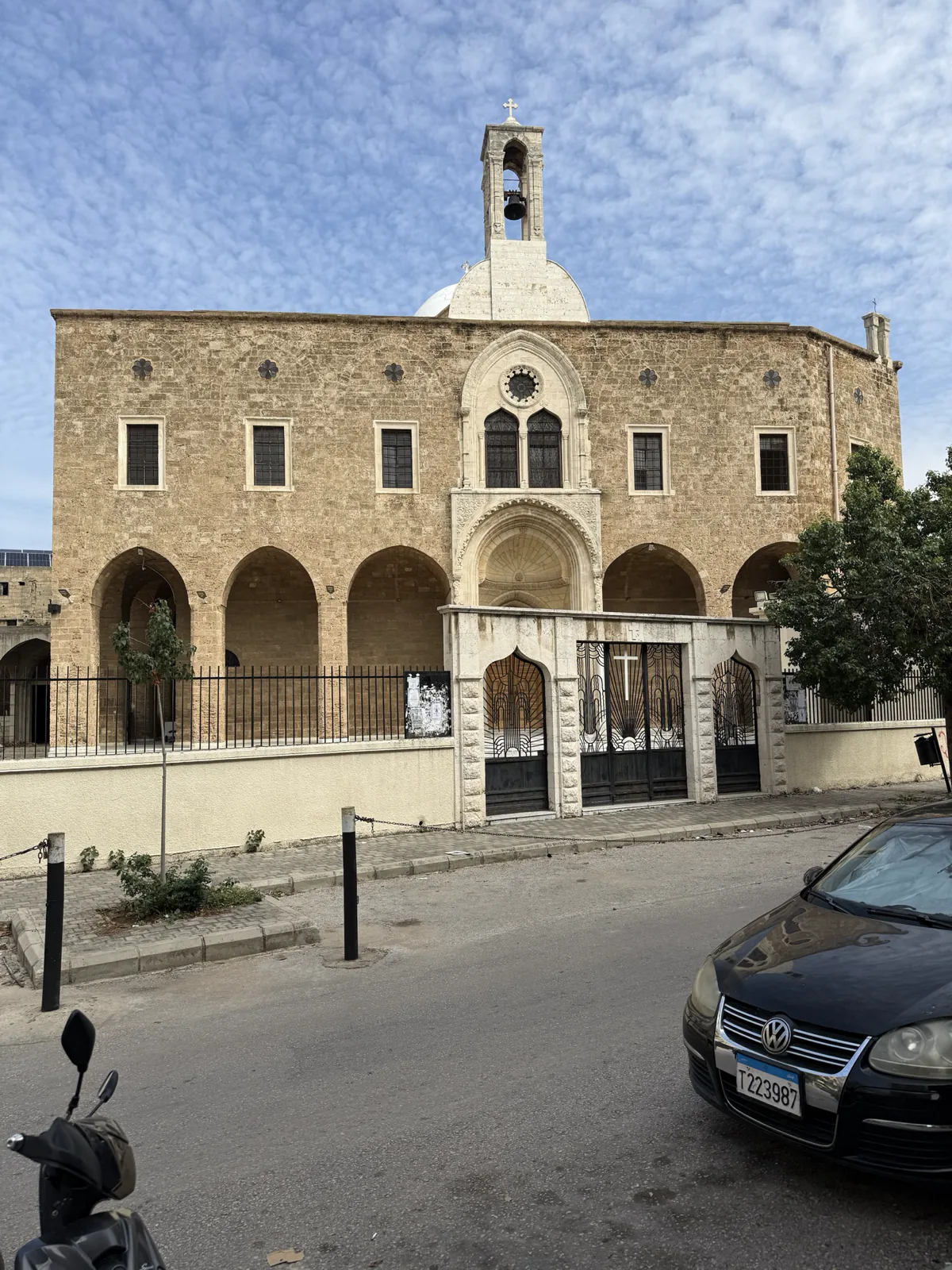
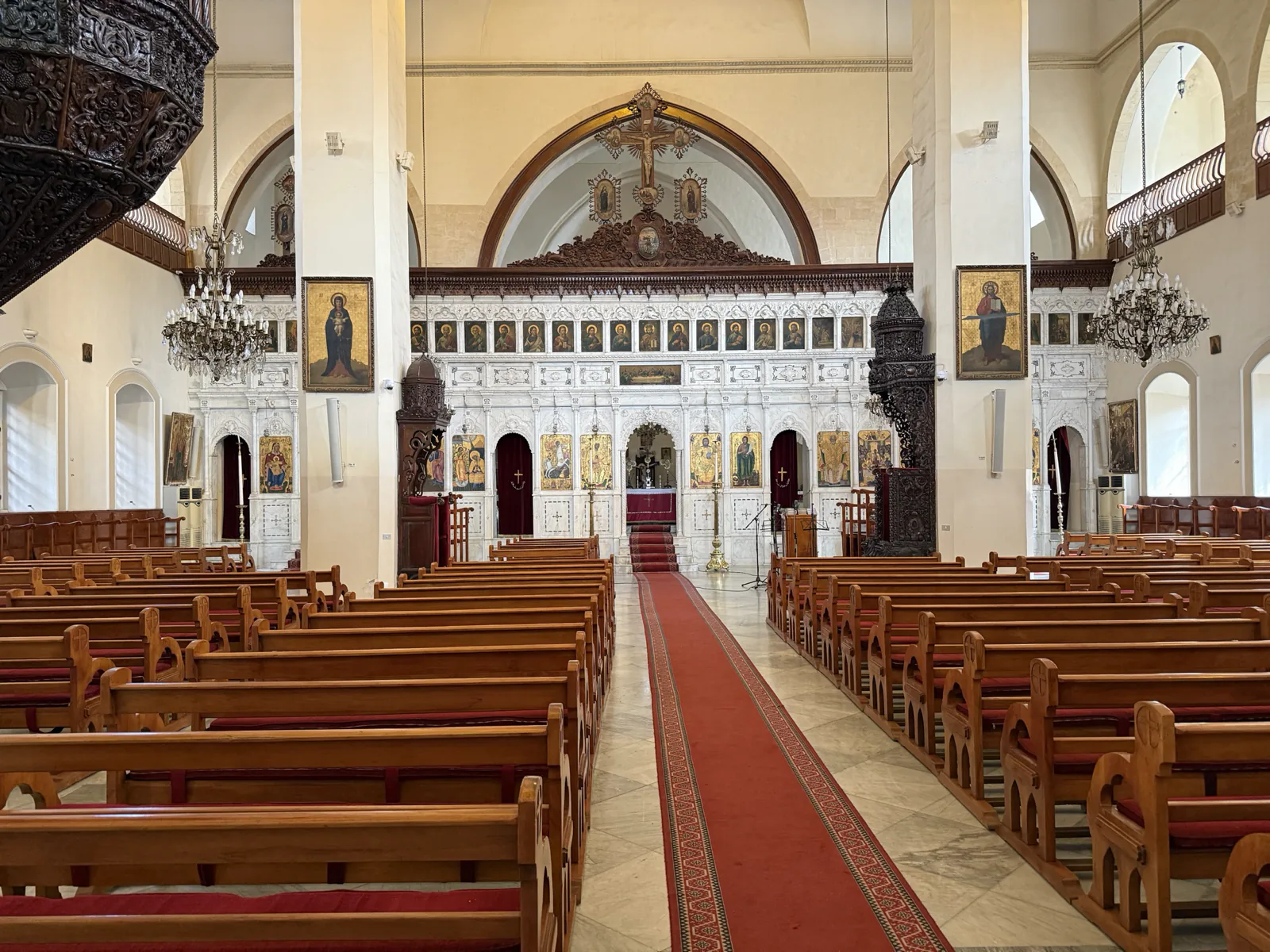
I love Tripoli – one city, many stories
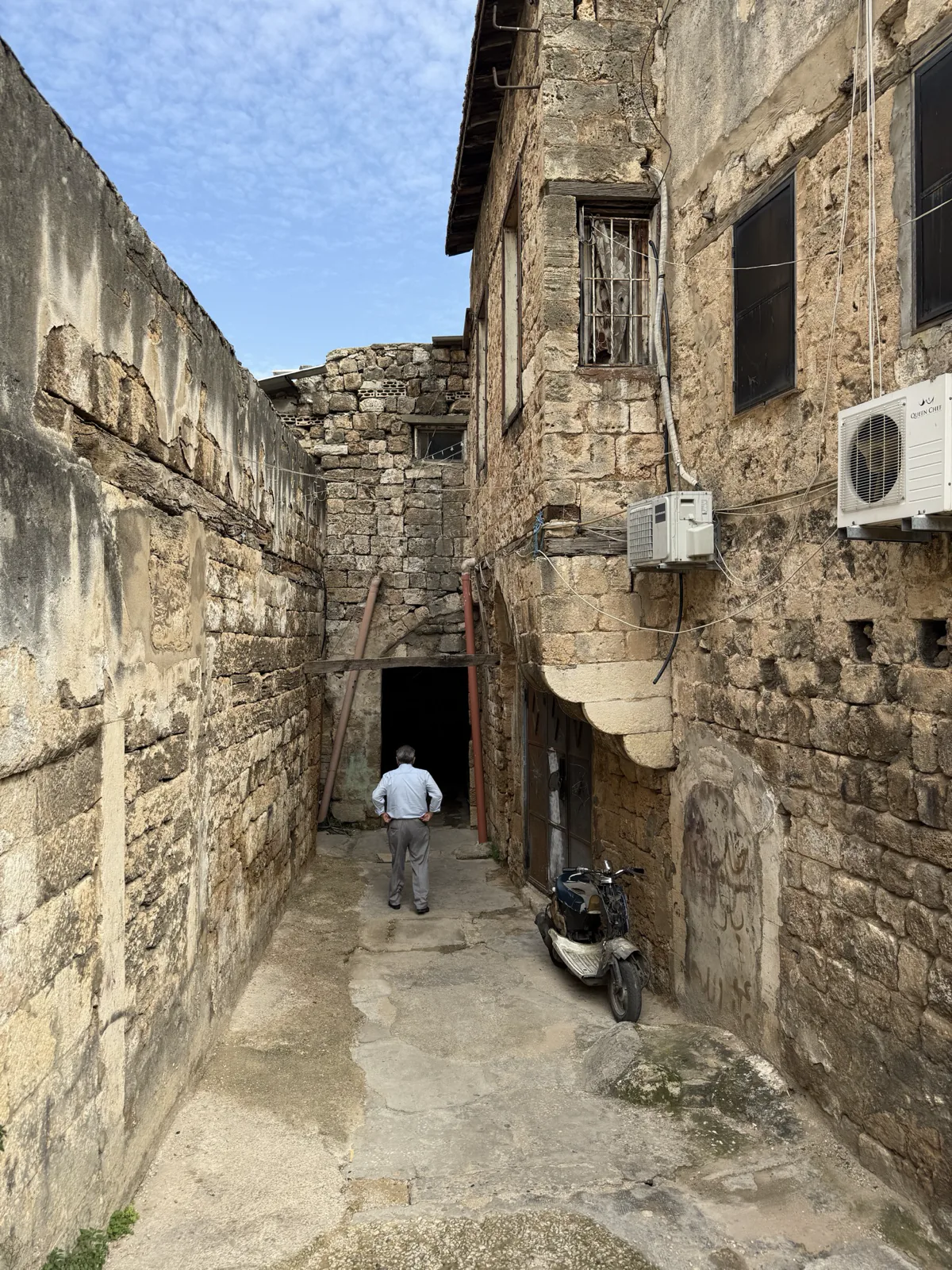
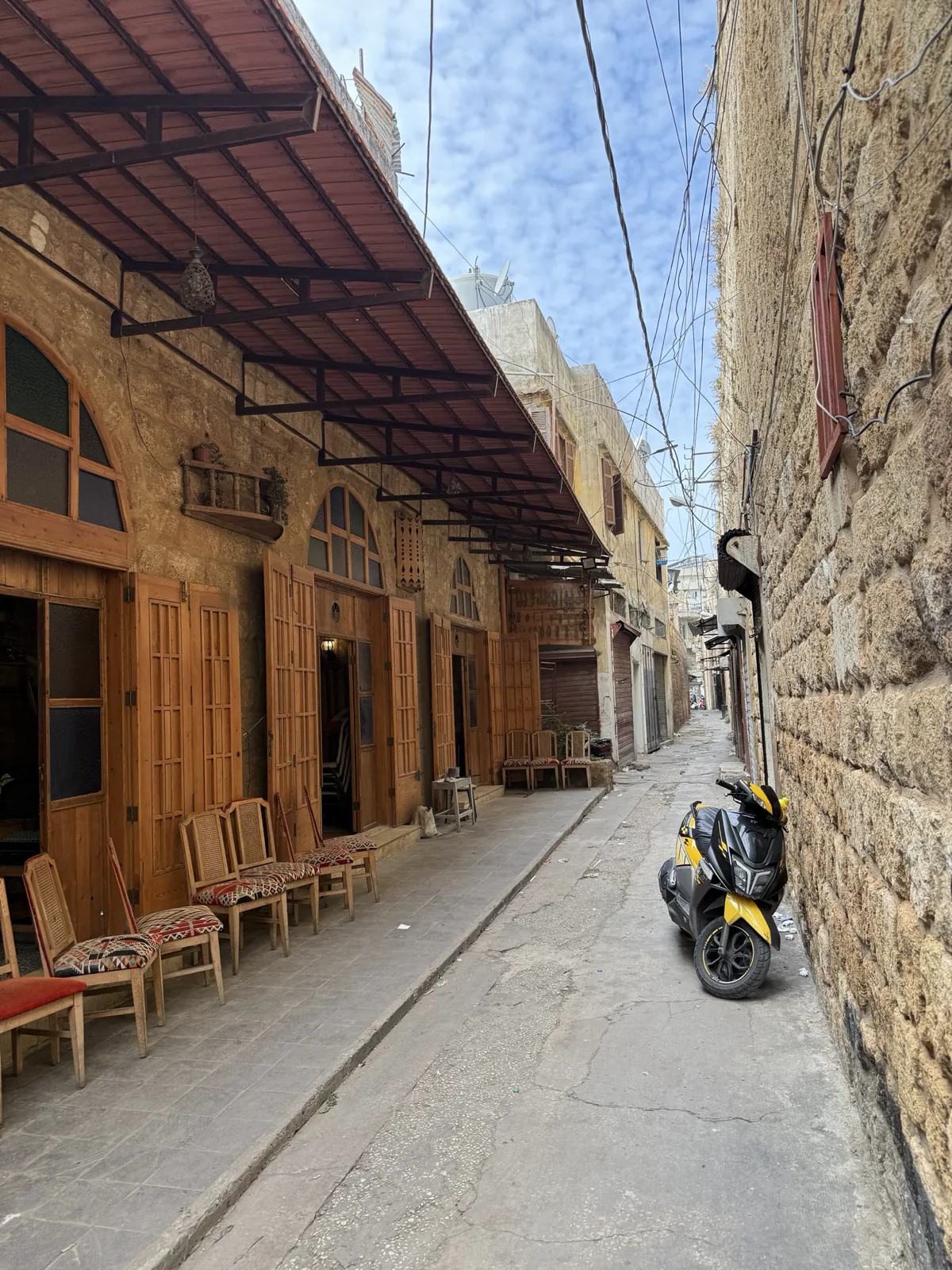
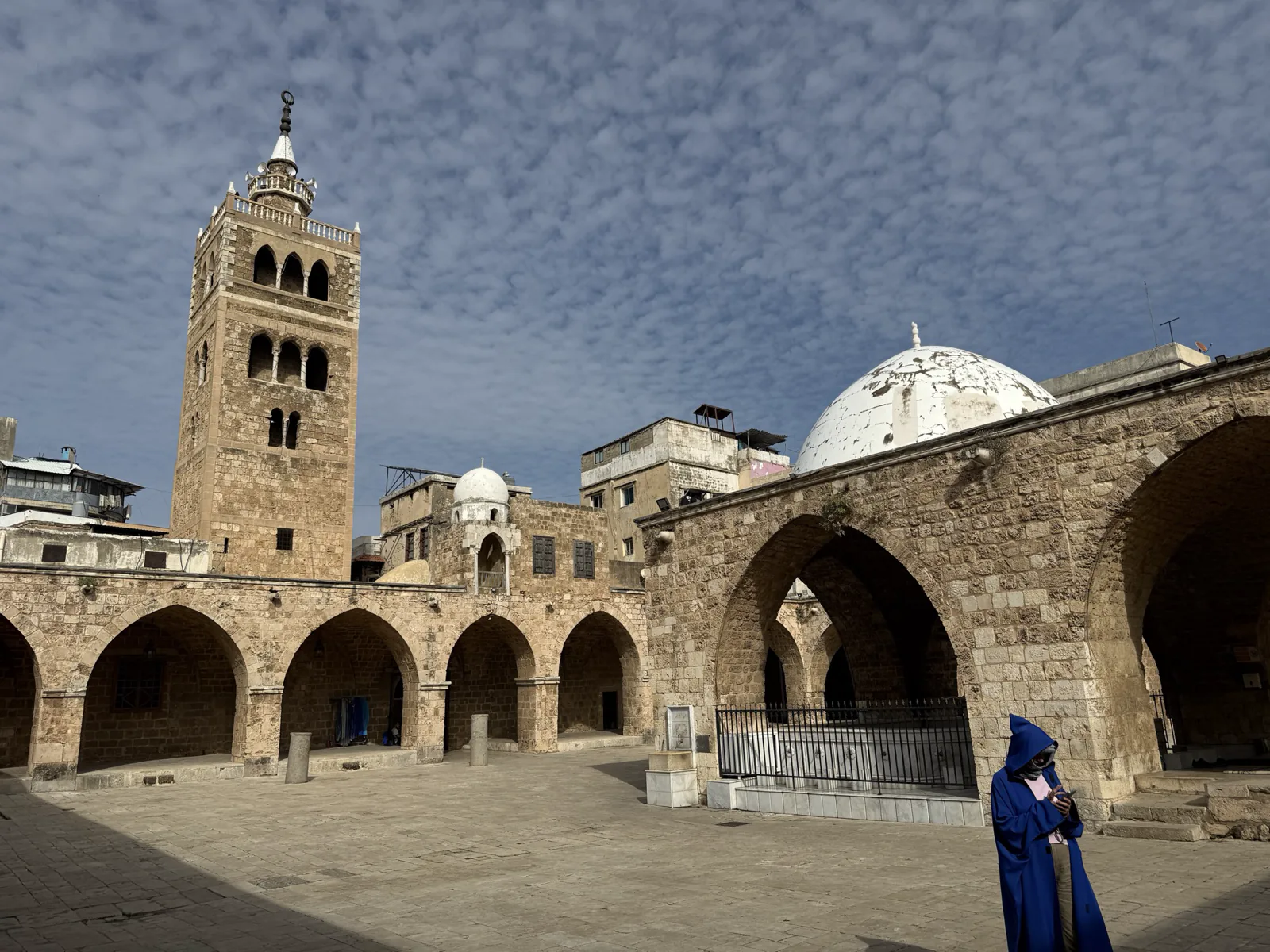
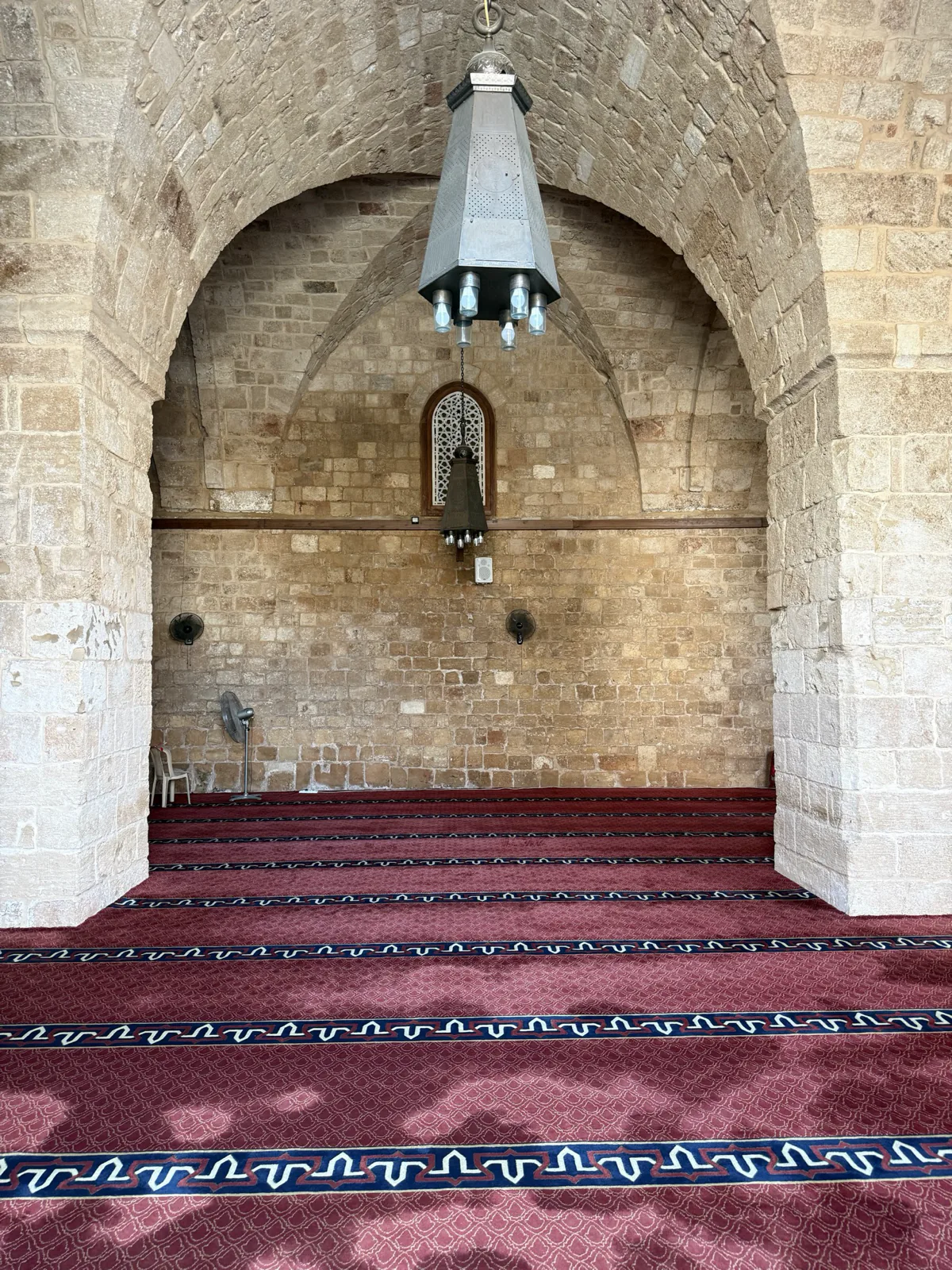
Today, we are in Tripoli, discovering the city’s religious and cultural diversity. Among old houses and narrow lanes, we encounter a history shaped over centuries by different communities.
We visit Christian churches, including Orthodox places of worship. Behind their stone facades are interiors with icons, ornate altars and large chandeliers. They show how firmly Christianity belongs to Tripoli’s past and present.
A Jewish community was also once part of this city. Its history is less visible today, but it belongs equally to Tripoli’s heritage. Remembering it means also remembering the people who lived and worked here and maintained their traditions.
In the mosques, we see spacious courtyards, stone arcades and prayer rooms lined with carpets. These historic buildings tell of Tripoli’s long-standing importance as a centre of Islamic culture and architecture. The different perspectives are particularly striking: from the open courtyard to the quiet prayer room.
I love Tripoli reflects our impressions. The city has experienced upheaval and conflict. At the same time, it preserves many stories, traditions and remarkable places. This diversity deserves attention and protection.
Tripoli · Lebanon
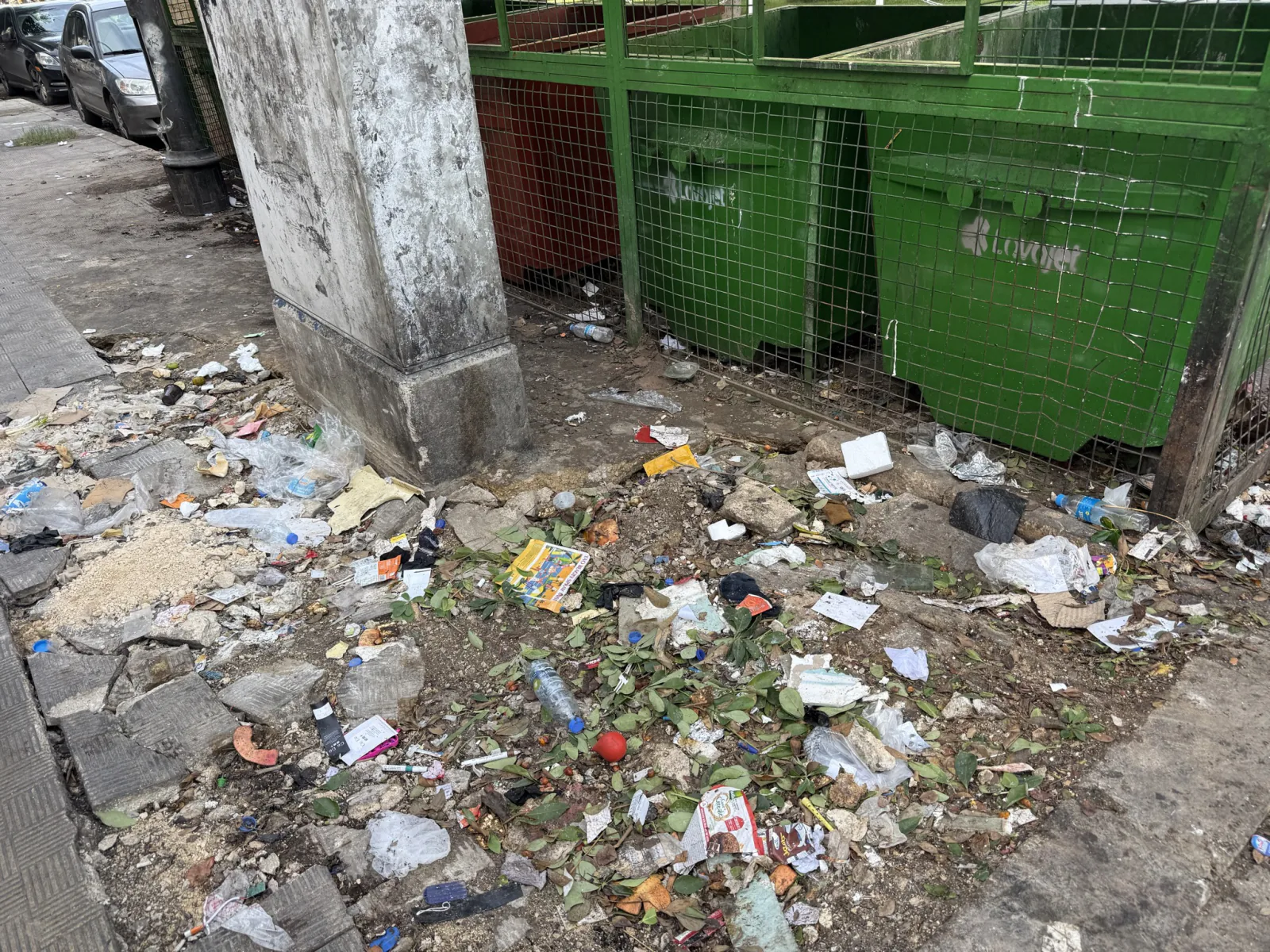
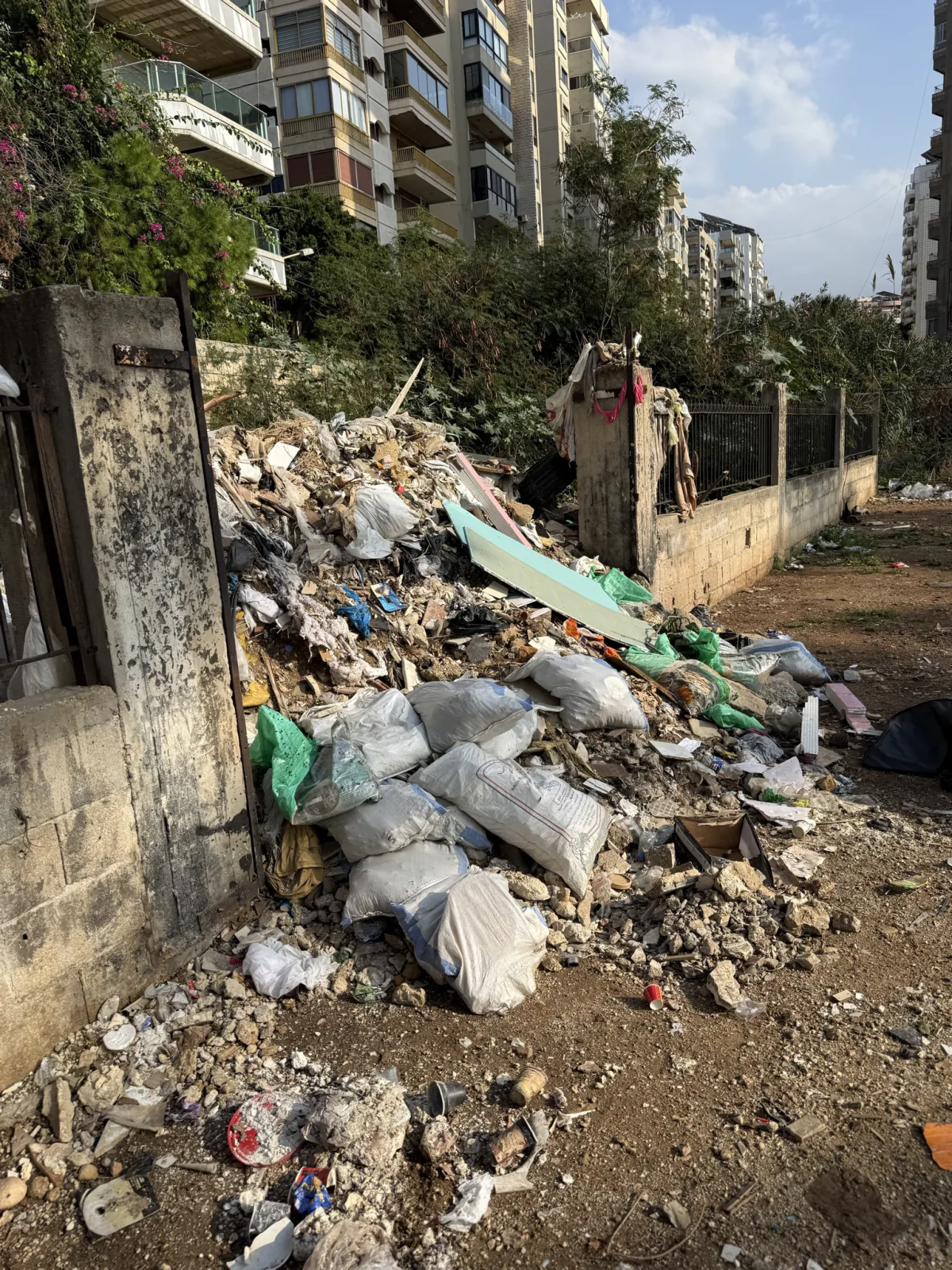
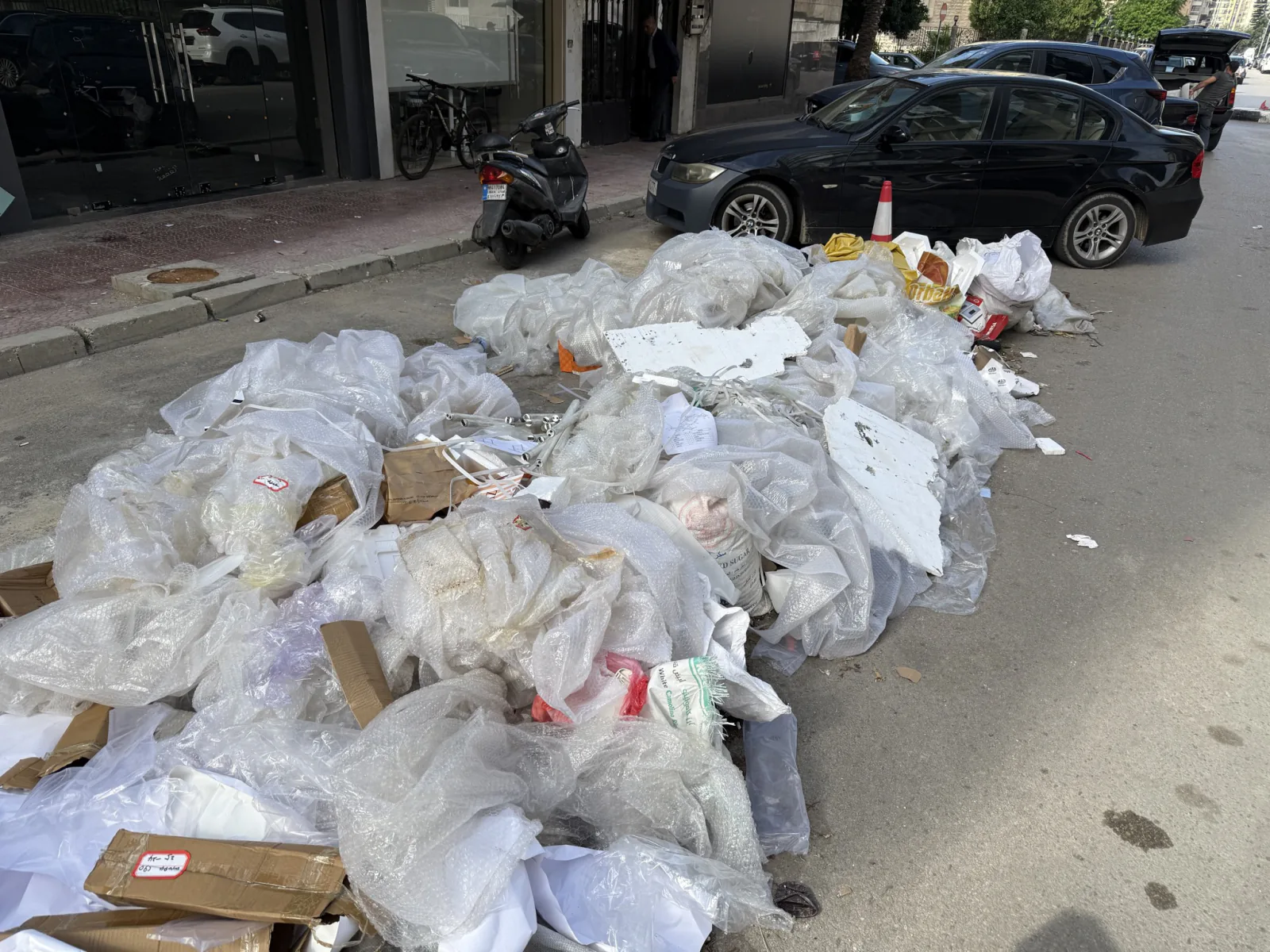
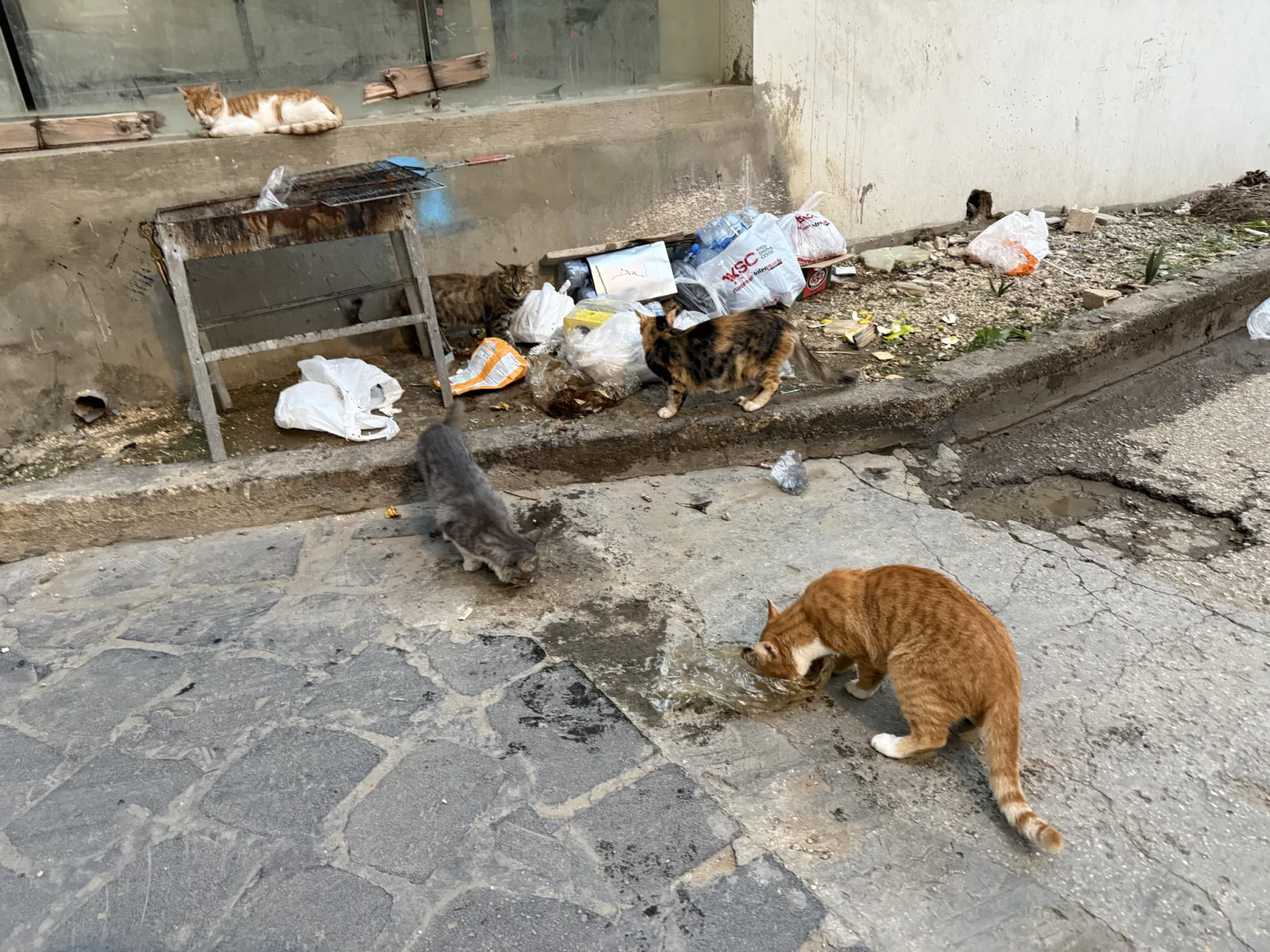
When rubbish is left behind
On our journey, we encounter piles of rubbish between residential buildings, discarded packaging on streets and waste beside collection bins. Our photographs show how closely this problem affects everyday life.
The causes go back many years. Long-standing political mismanagement, corruption and cronyism have deepened the waste crisis. Transparency International describes how close links between waste companies and political leaders, along with bribery, have shaped the system. Government and public authorities are responsible for transparent procurement and effective oversight. Economic and energy crises, as well as wars, place further strain on waste management. When fuel, equipment and funding are lacking, regular waste collection becomes difficult. UNDP background report
Local people bear the consequences. They need reliable collection and disposal so that waste is not left on streets or in the natural environment. Clean neighbourhoods are as much a basic service as electricity and water.
Lebanon
Tripoli’s fairground – an unfinished future
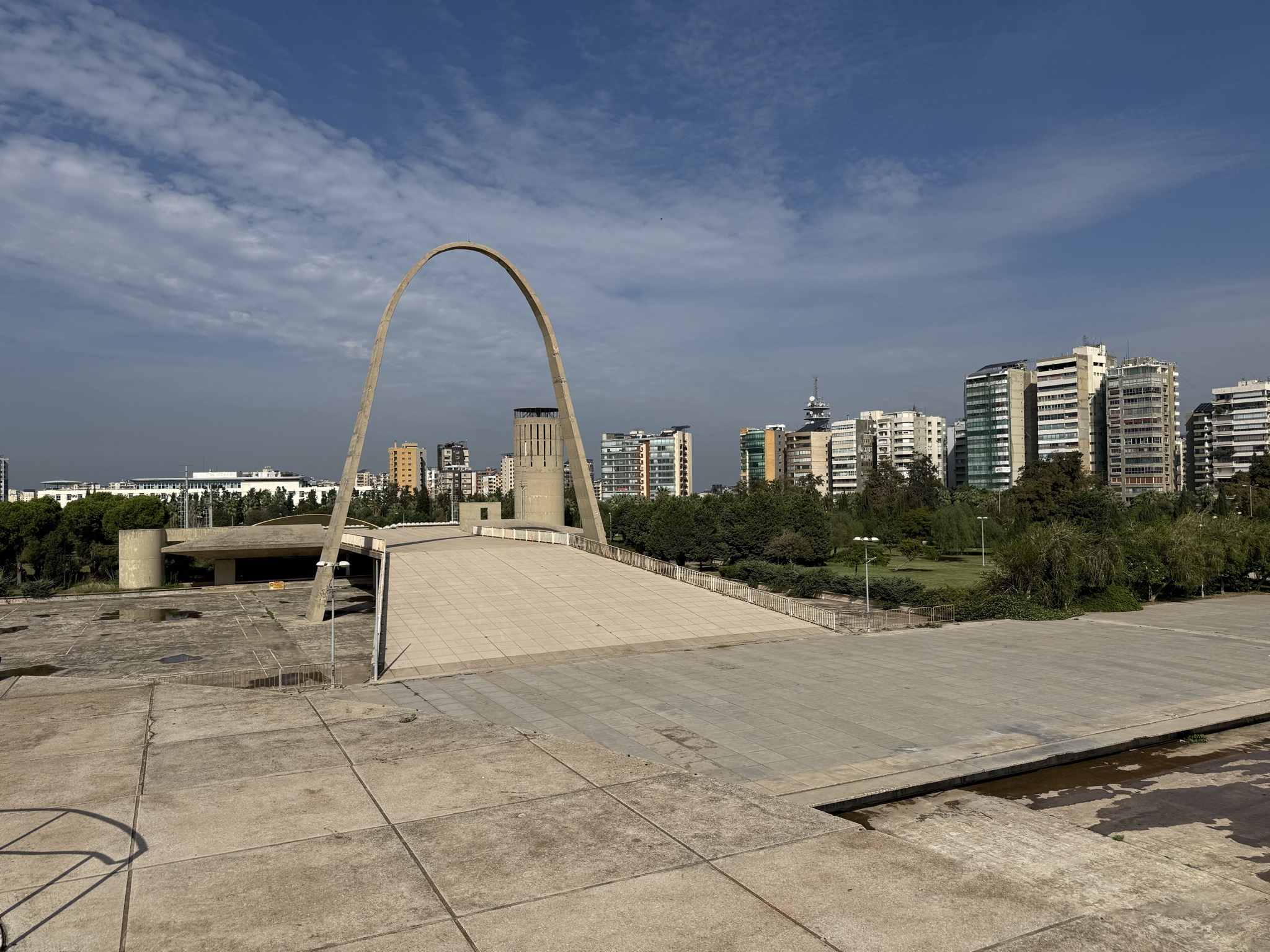
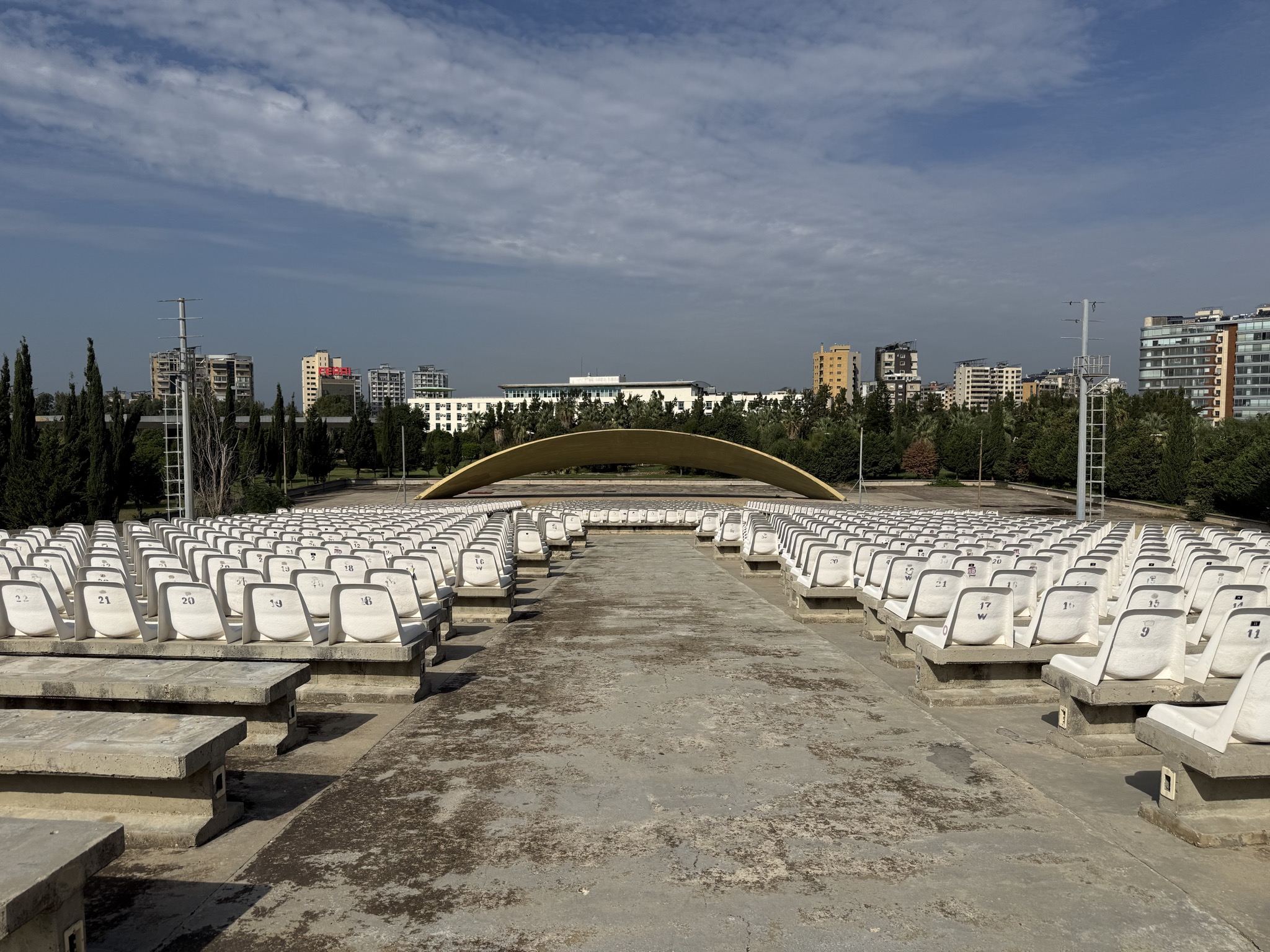
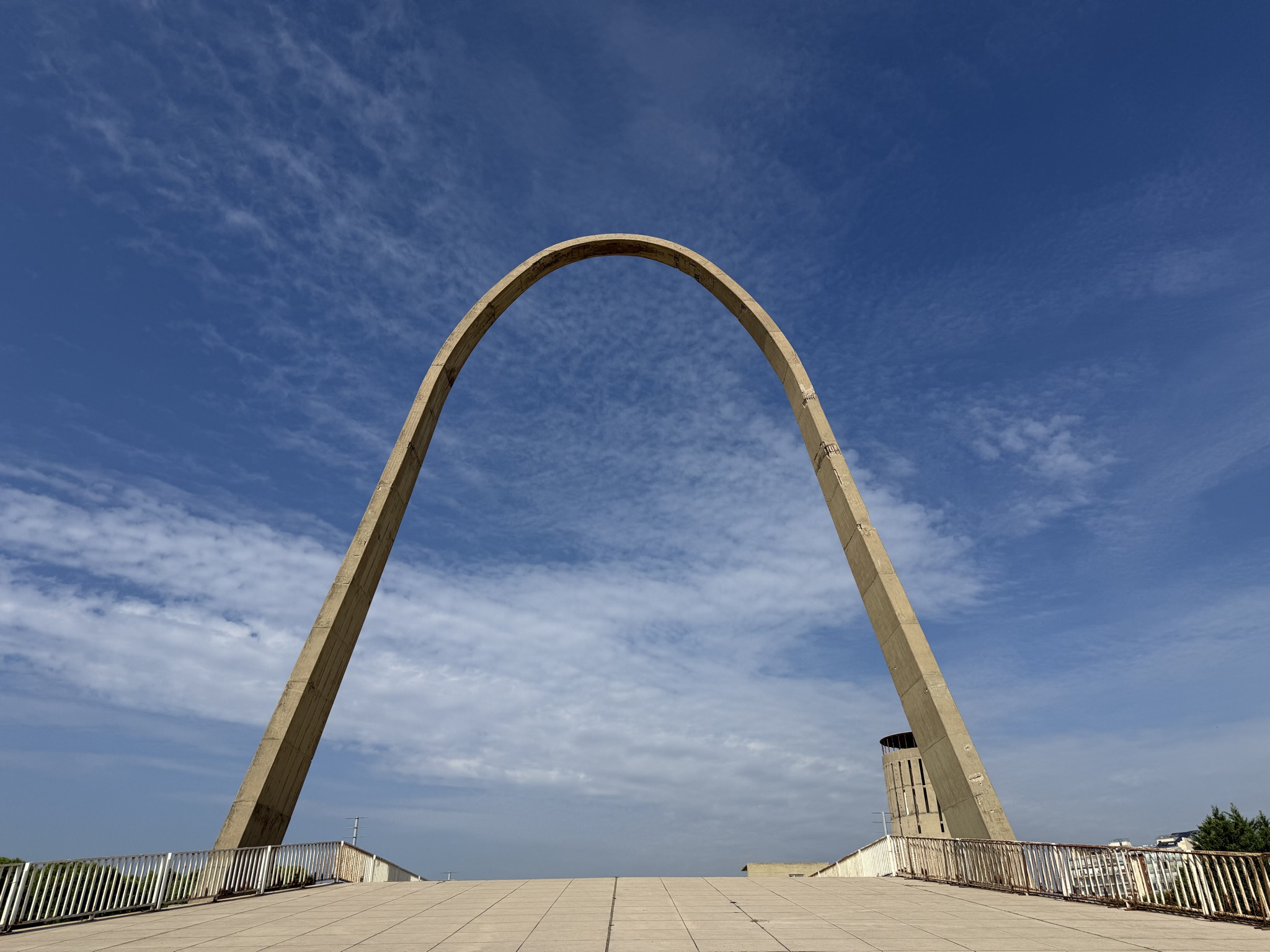
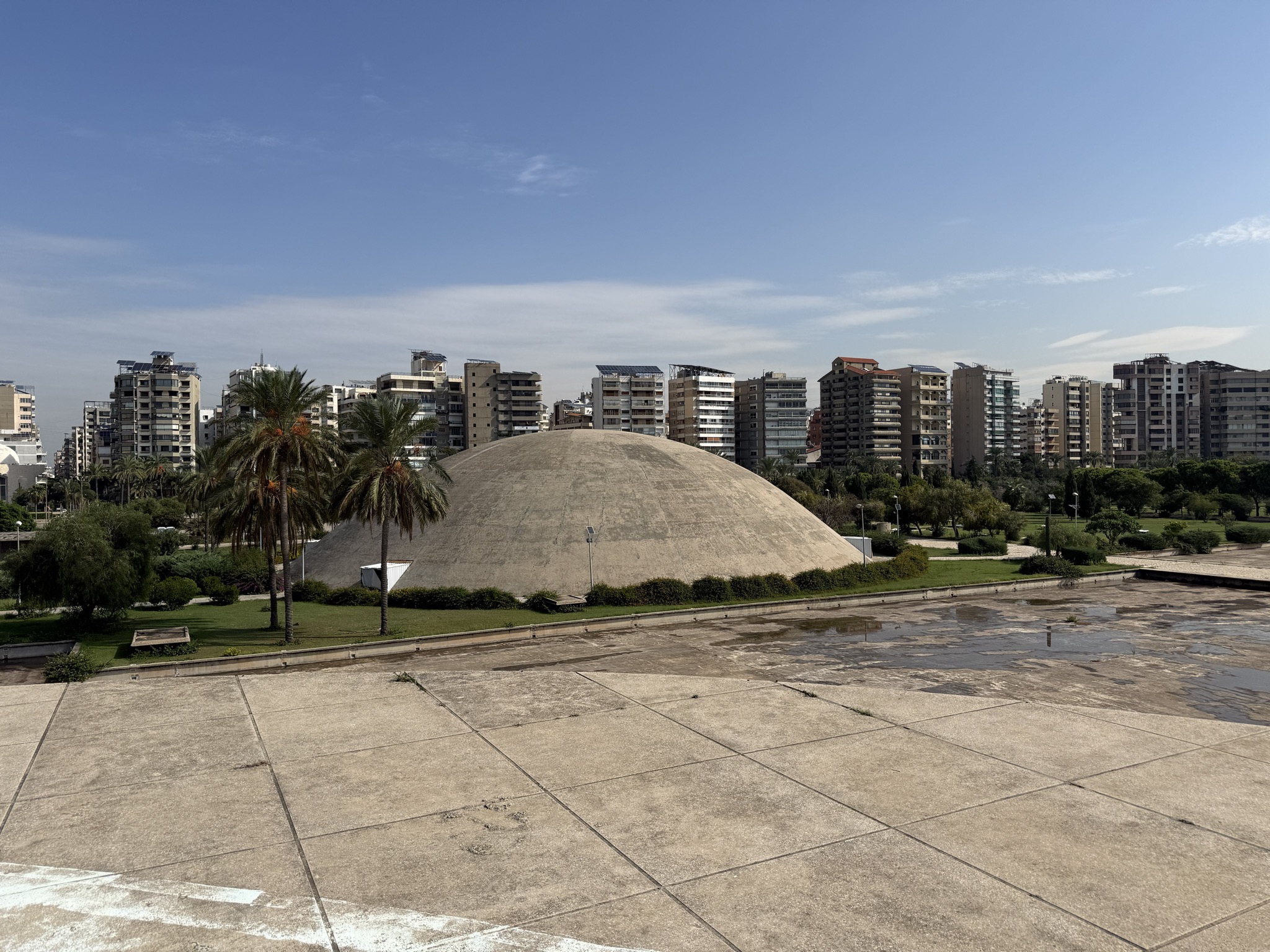
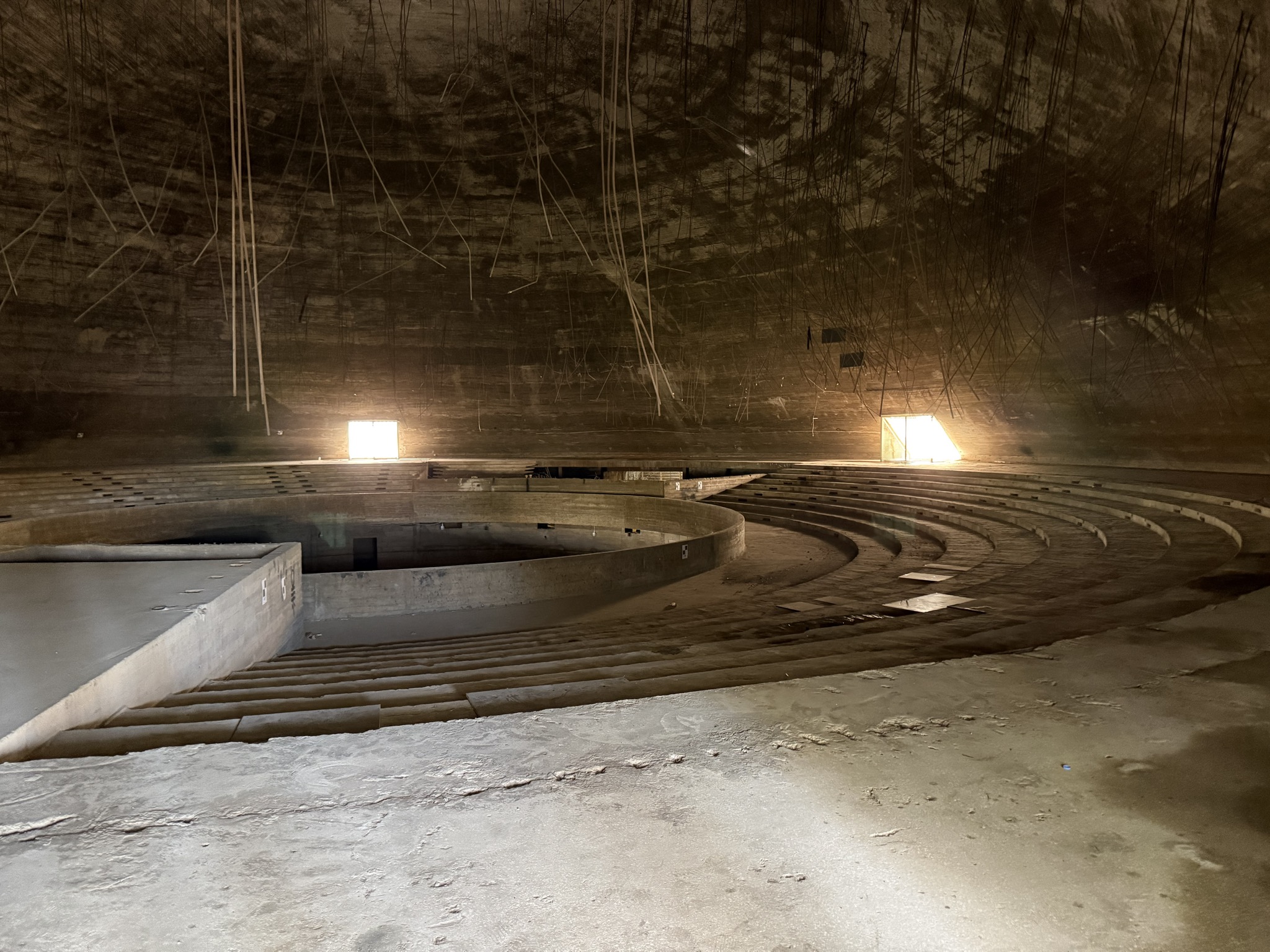
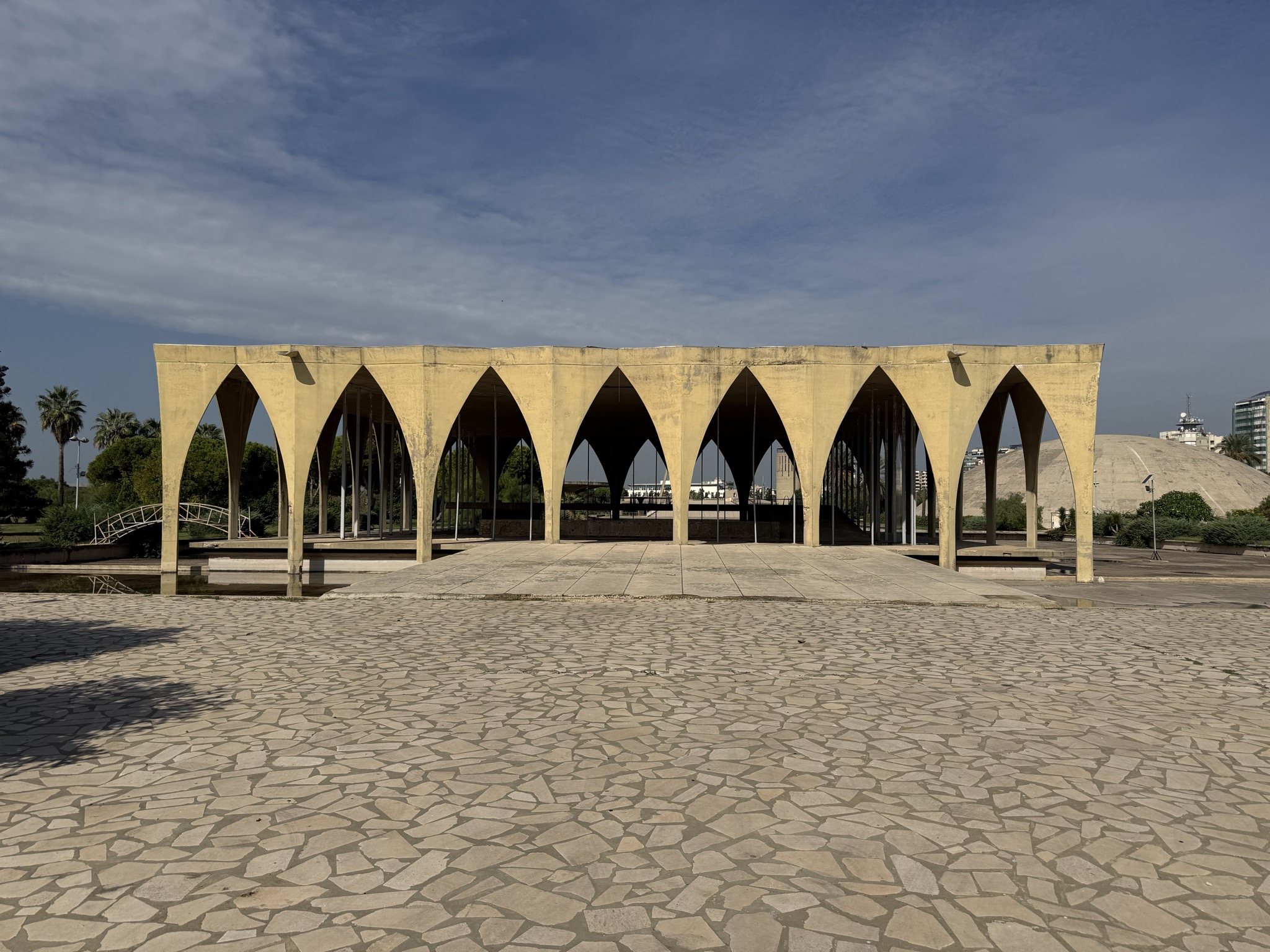
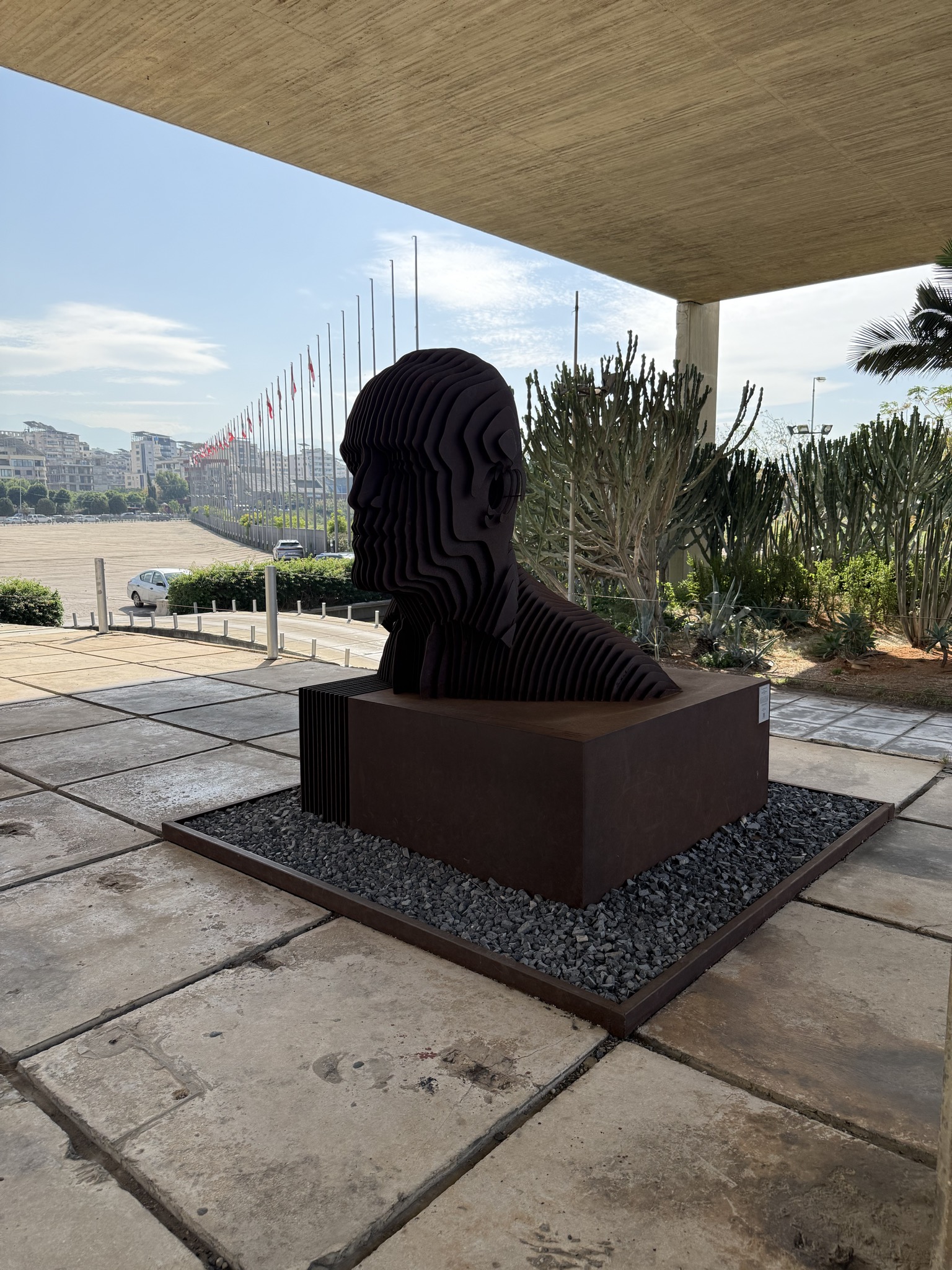
From Beirut via Batroun, we have arrived in Tripoli. Today, we visit the Rachid Karami International Fair, designed by Oscar Niemeyer from 1962. It was intended to bring trade, culture and people together and open up new opportunities for northern Lebanon.
But in 1975, the civil war brought construction to a halt. The complex remained unfinished; military use and decades of neglect left their mark. UNESCO
Our photographs show the monumental concrete arch, the open-air theatre, the dome of the experimental theatre and the Lebanon Pavilion with its pointed arches. The unfinished theatre interior makes particularly clear how far the original vision remained from being realised.
Since 2023, the site has been listed as both UNESCO World Heritage and World Heritage in Danger. A significant place whose preservation could help restore some of Tripoli’s promise for the future. UNESCO World Heritage site
Tripoli · Lebanon
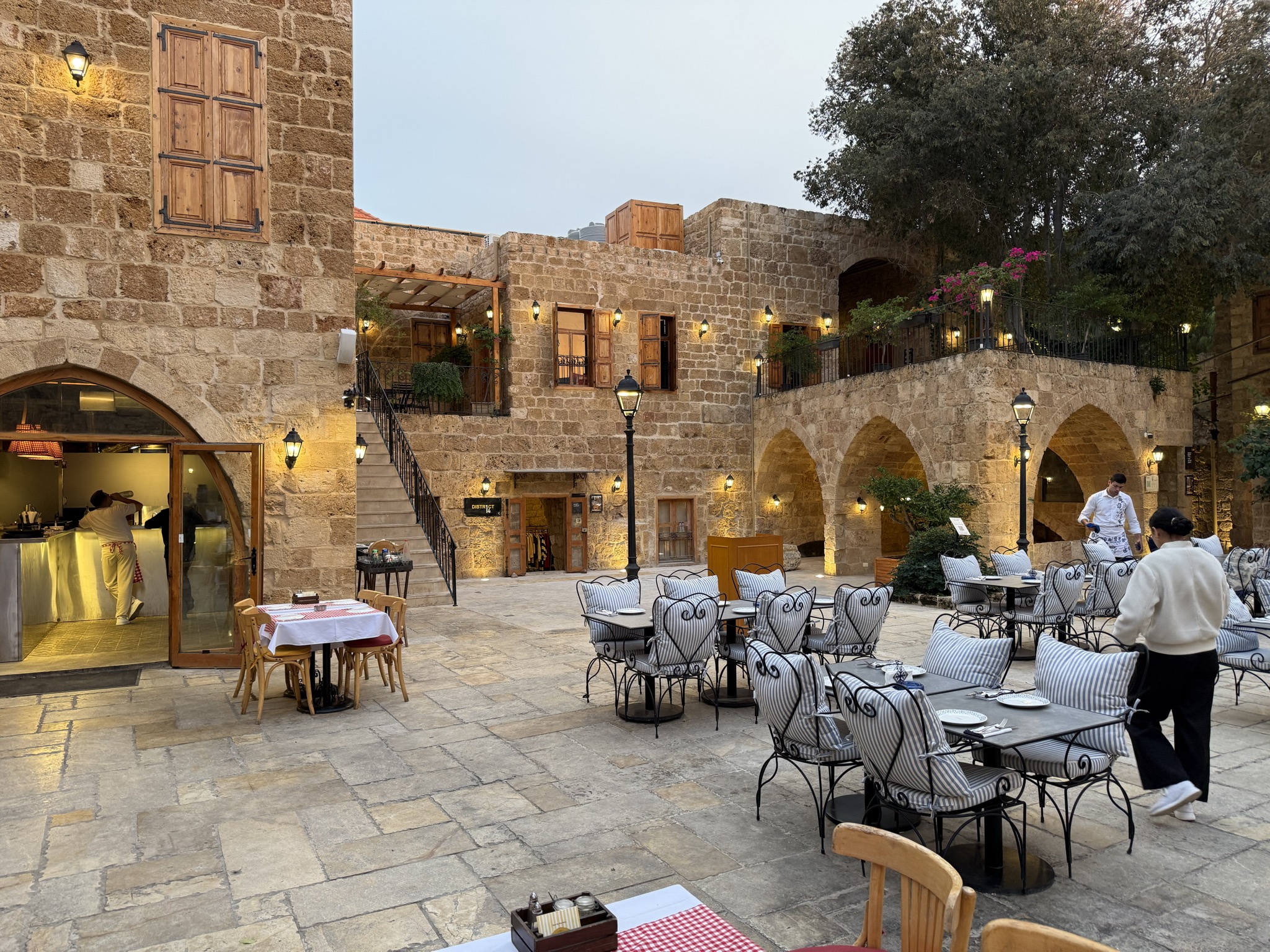
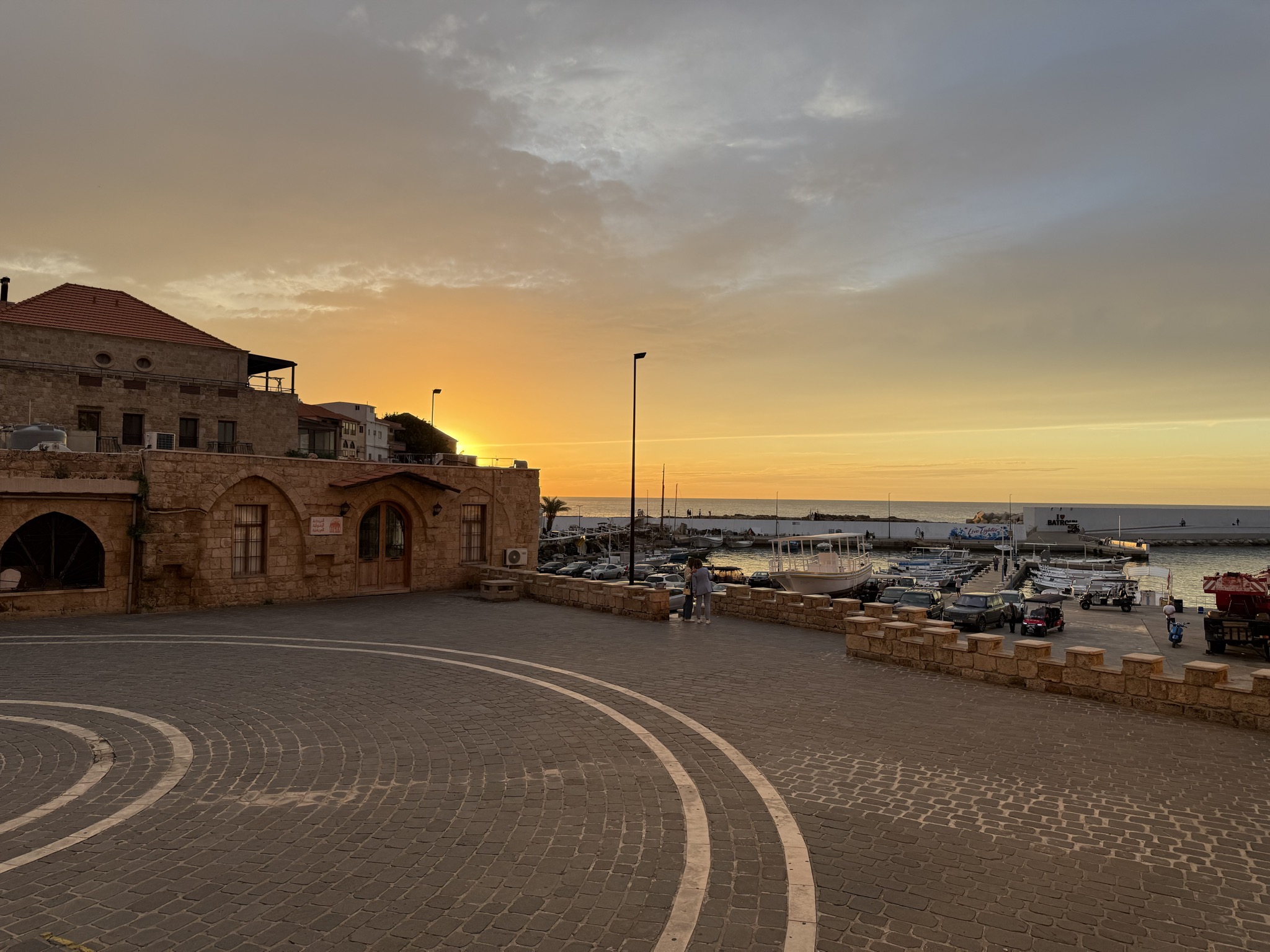
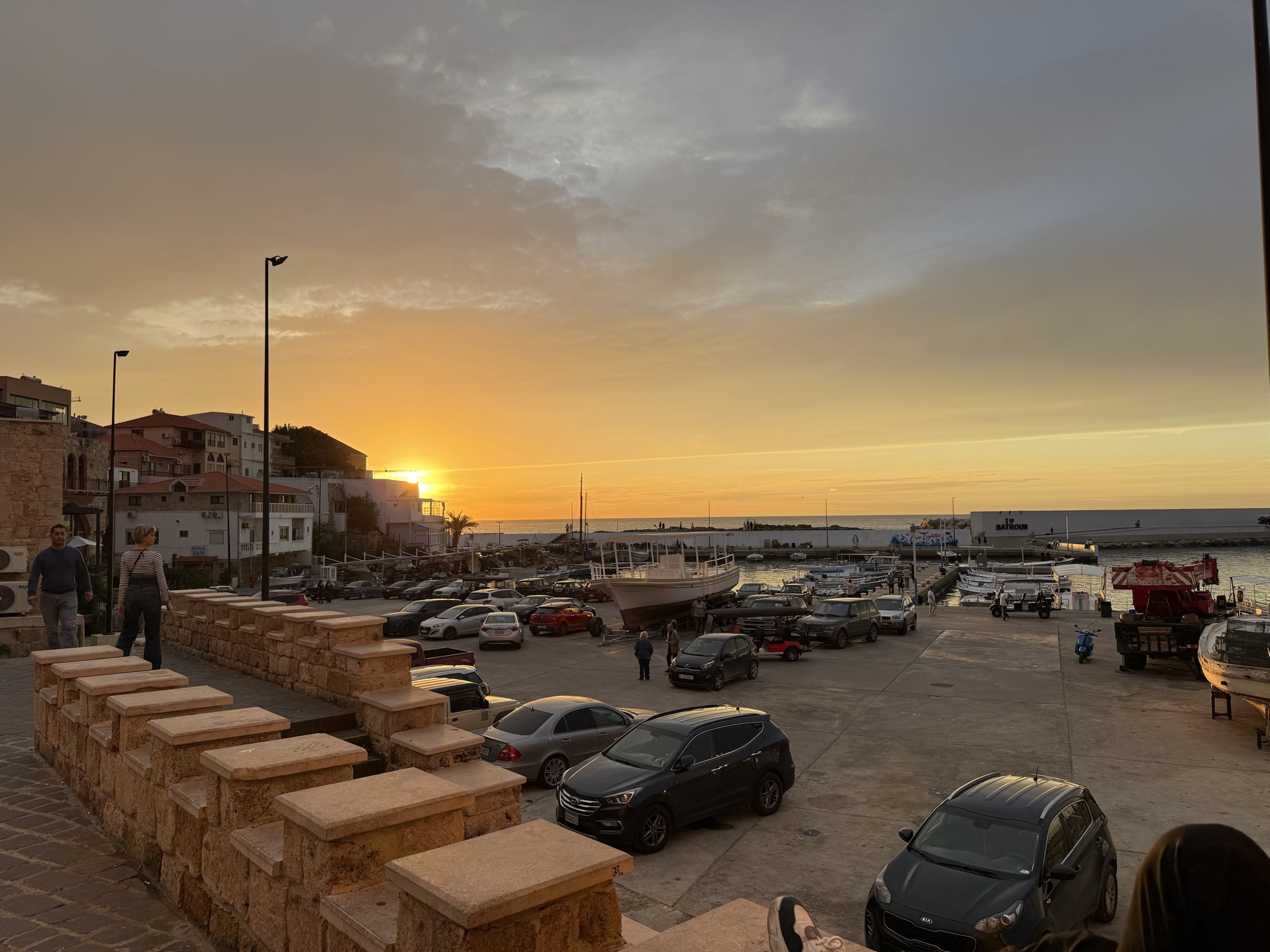
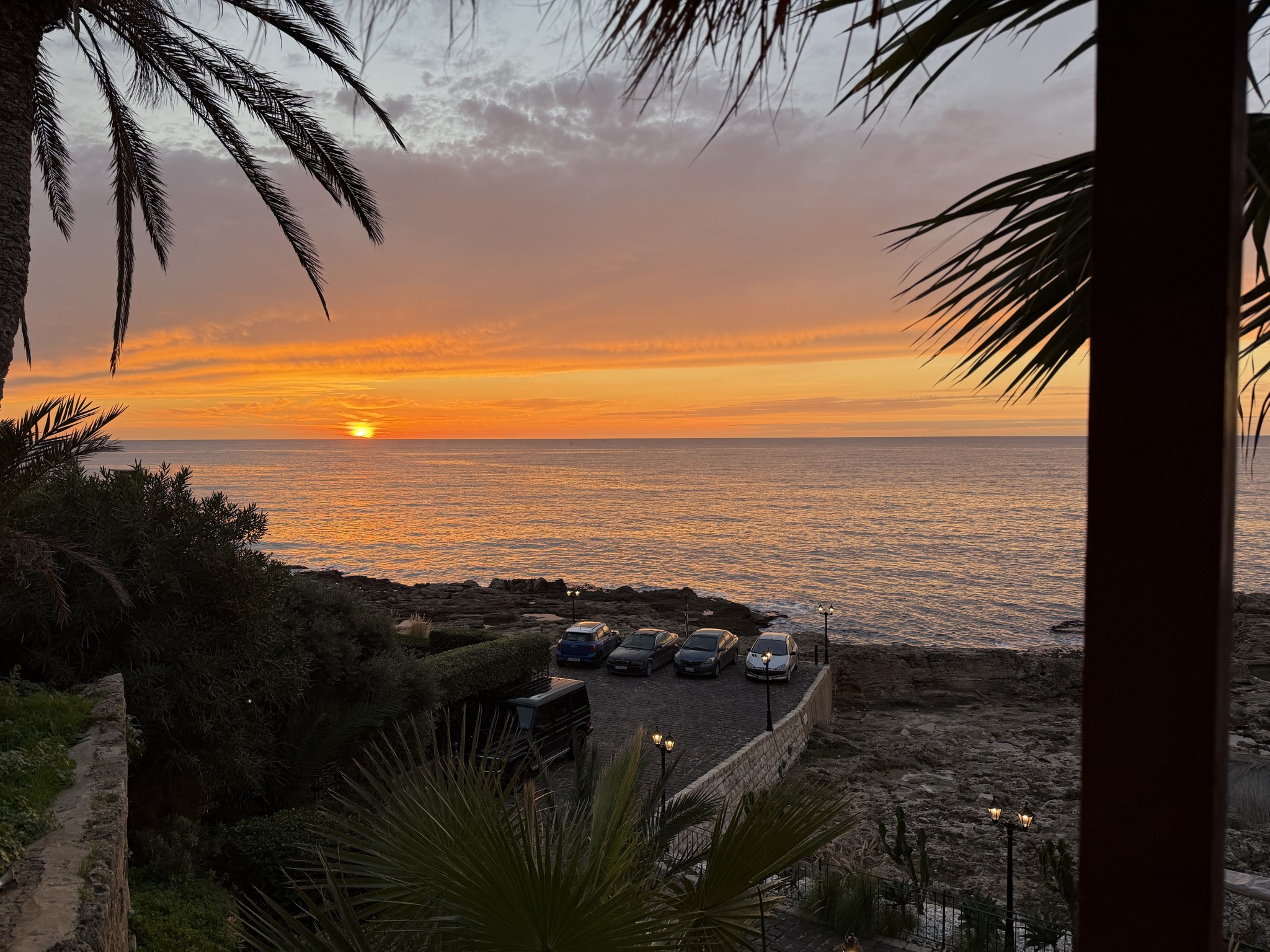
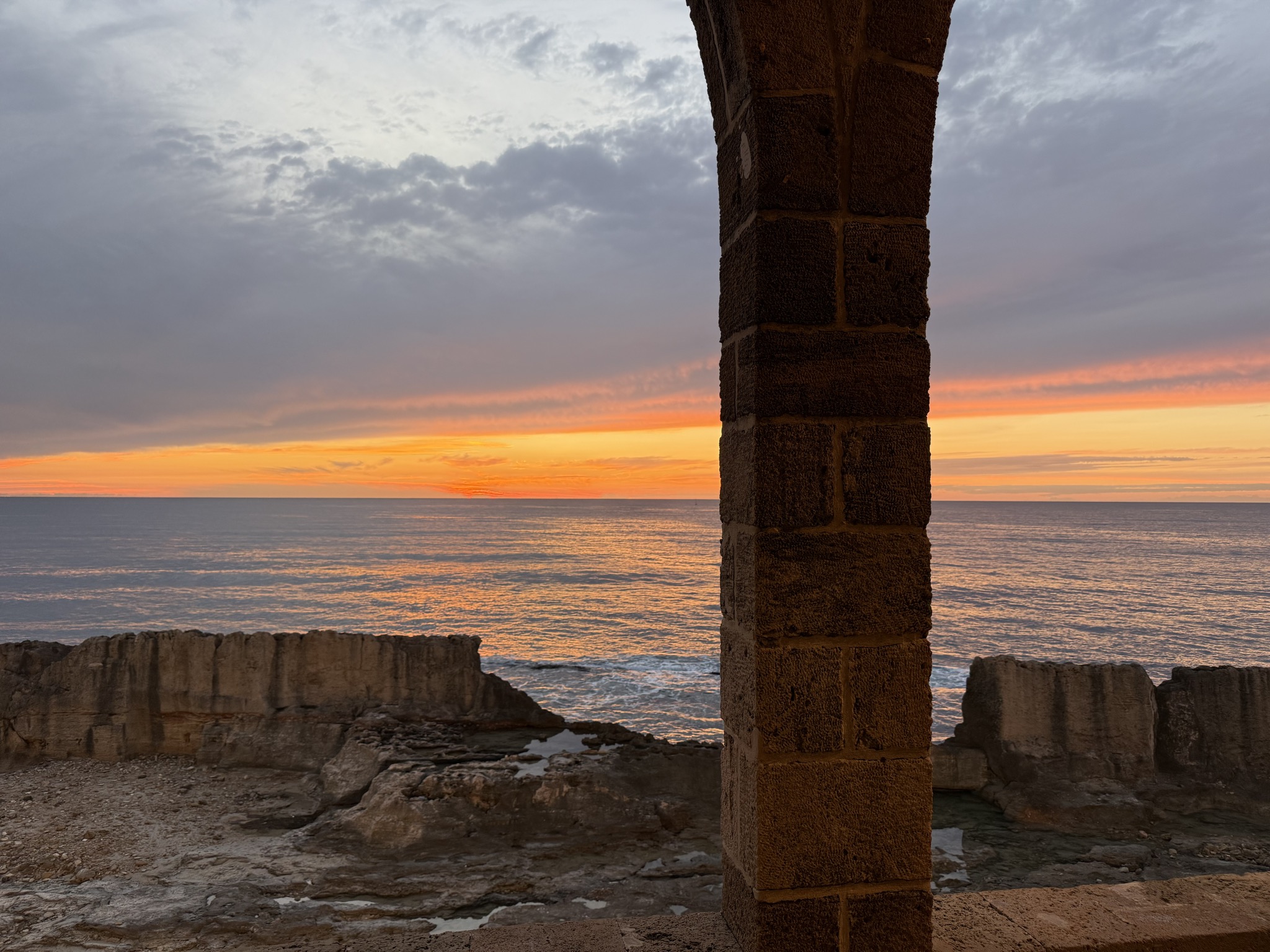
Lebanon’s art of living – an evening in Batroun
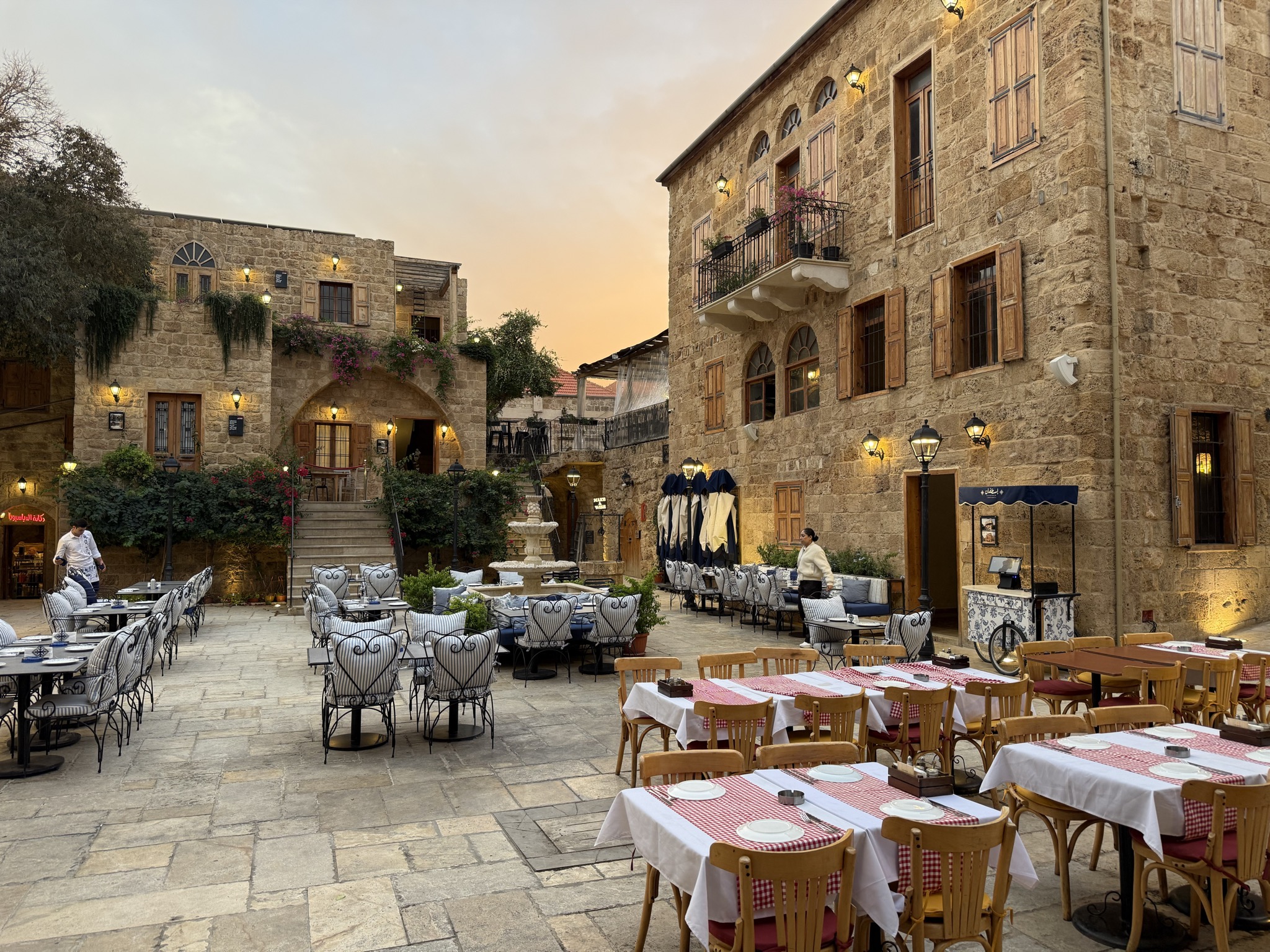
In Batroun, we discover old stone houses with wooden shutters, flowering balconies and carefully arranged courtyards. Tables are set outside, with the small harbour and the Mediterranean beyond. In the evening light, the facades take on a warm glow as the sun slowly sinks into the sea.
Places like these make the meaning of savoir-vivre clear: the art of living well. The pleasure of welcoming guests, sharing meals and making time for one another. Here, we see how much Lebanon can offer visitors: beautiful coastal towns, preserved architecture and a lively appreciation of the good things in life.
This beauty needs peace. People should be able to preserve their homes, run their businesses and welcome guests without fear of war and bombardment. Lebanon deserves the chance to show what we experience here: a country with history, hospitality and a great zest for life.
Batroun · Lebanon
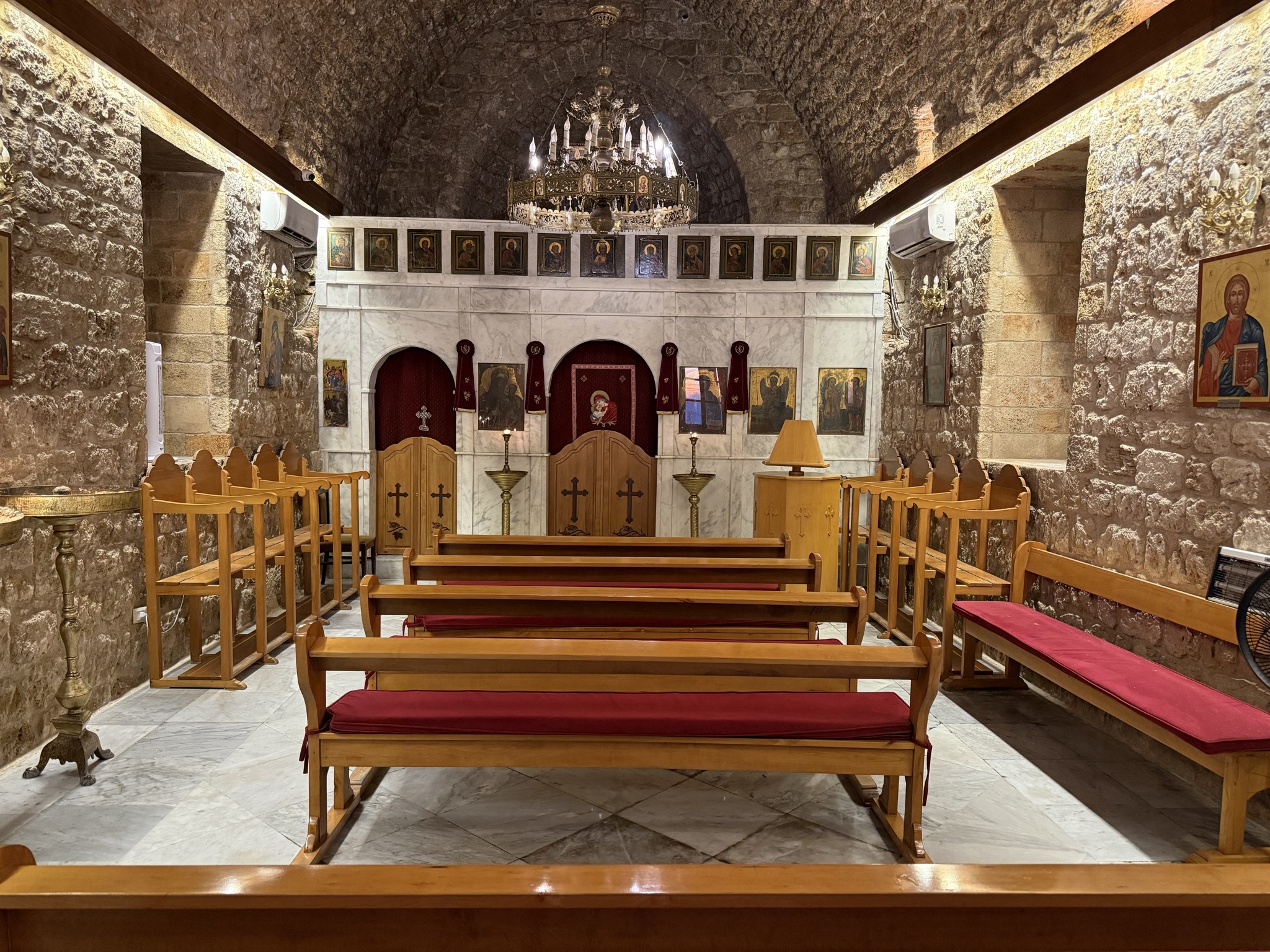
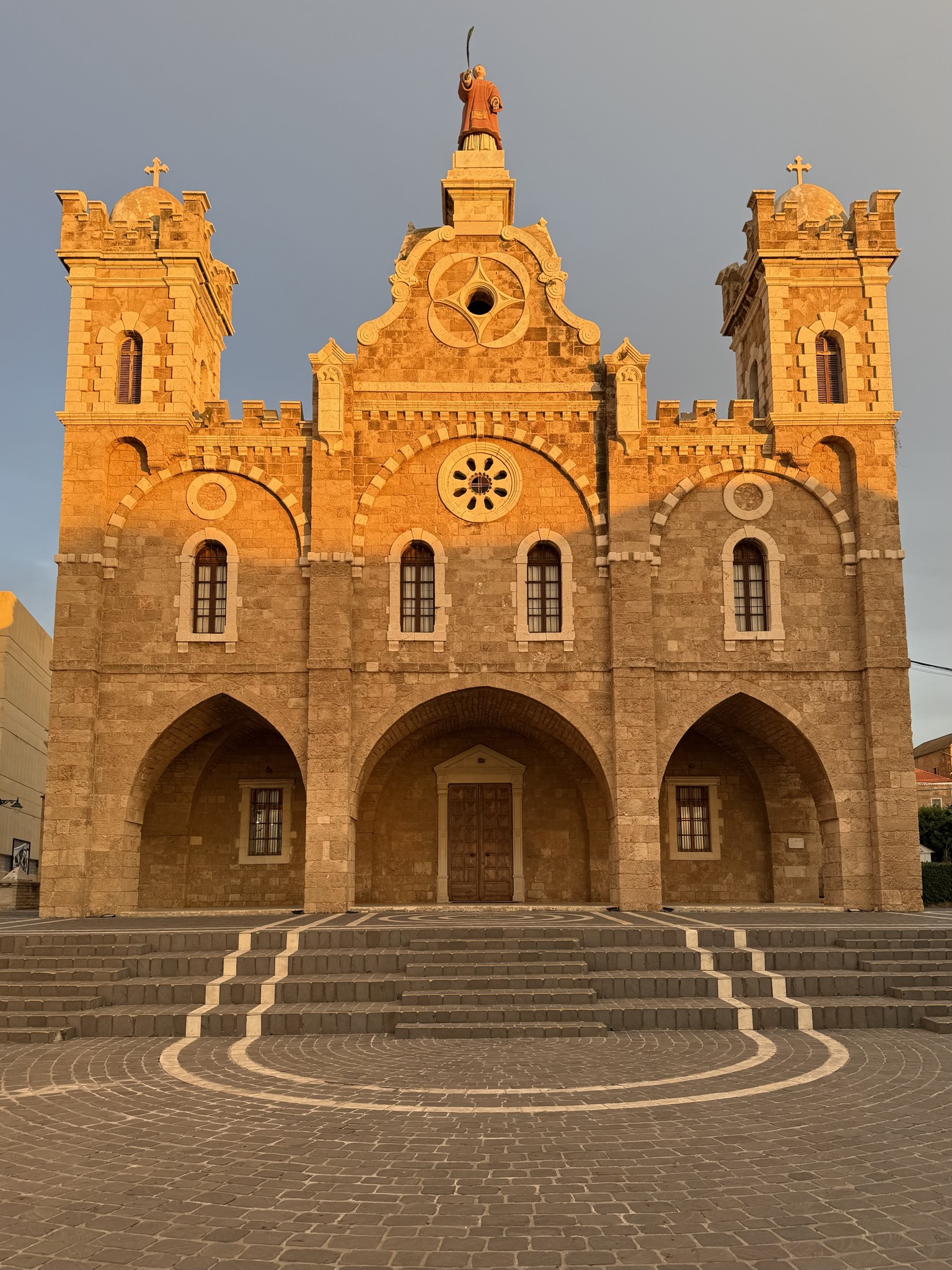
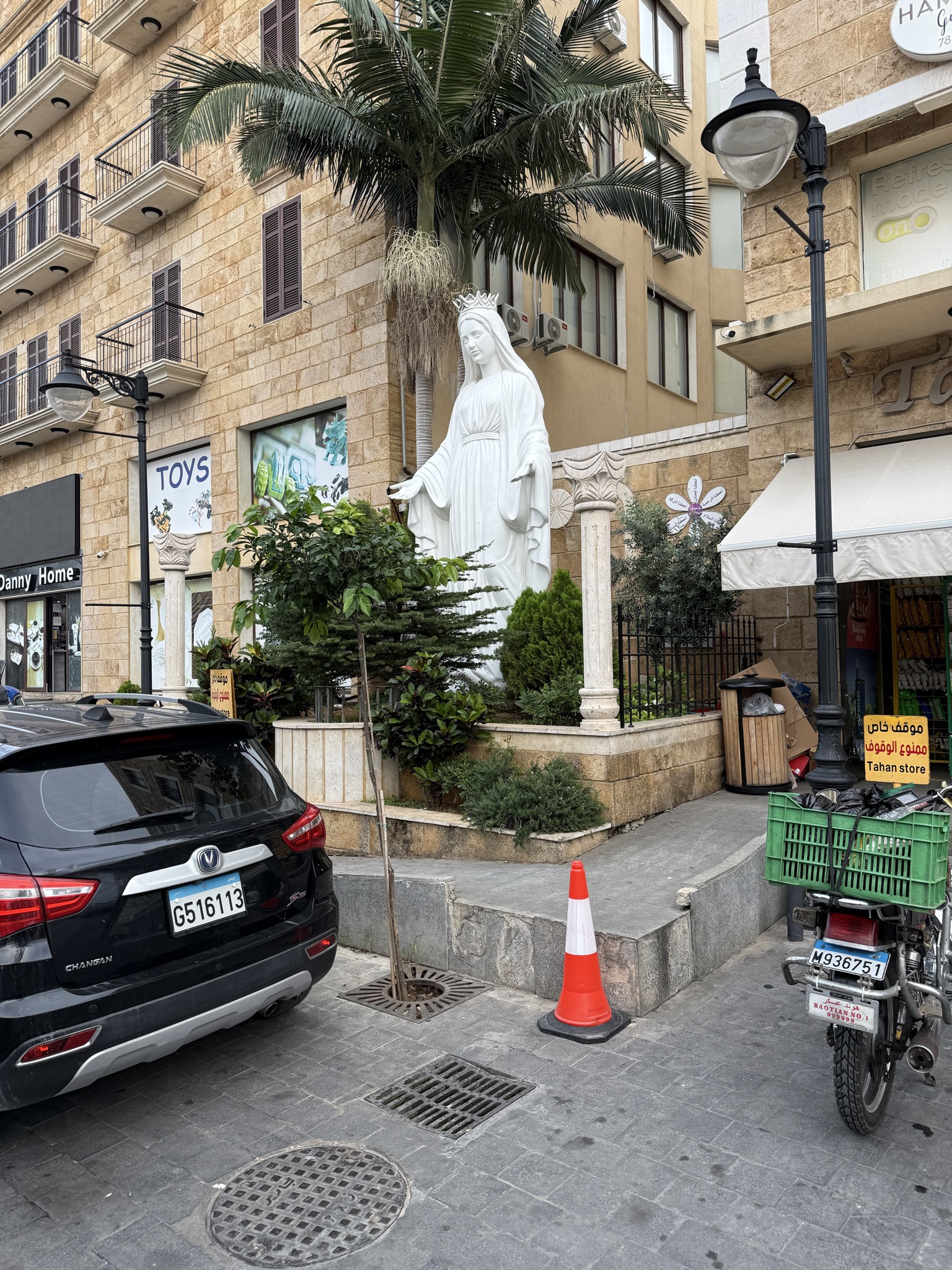
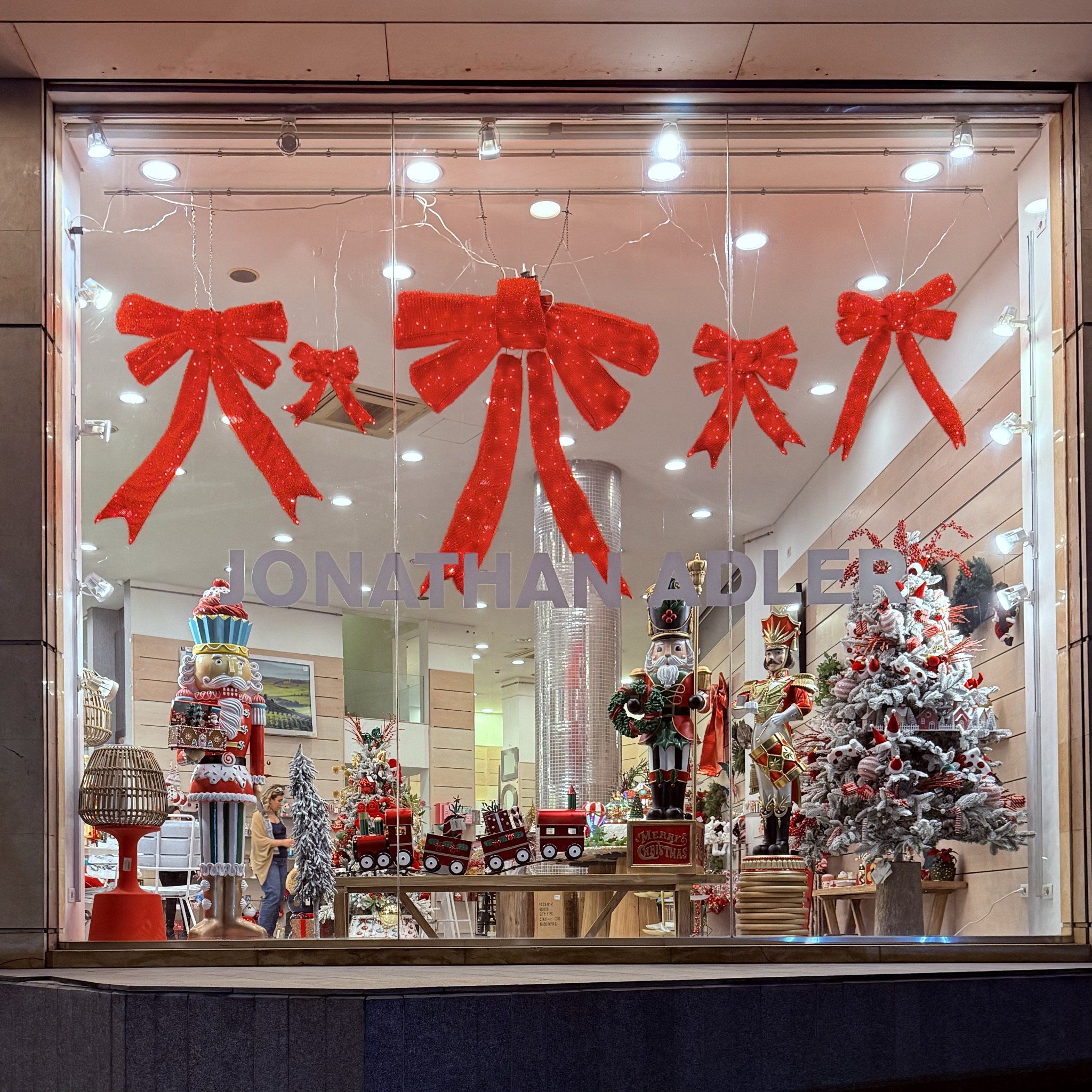
Christian life in Lebanon
Churches, statues of Mary and Christian symbols are part of everyday life in Lebanon. Our photographs show a stone-vaulted church interior with icons, a church facade in warm sunlight, a statue of Mary among homes and shops, and a window already decorated for Christmas.
Christianity is a significant part of the country’s religious and cultural diversity. Pew Research Center estimates that in 2020, Christians made up 27.9% of Lebanon’s residents — around 1.6 million people. Muslims accounted for 67.8%, around 3.9 million people. Other religions, including the Druze faith, represented 4.3%, approximately 245,000 people.
Lebanon officially recognises 18 religious communities. Our earlier photograph of a mosque beside a church also shows how different religious traditions shape the country’s townscapes.
Figures refer to 2020 and were published in 2025. They cover all residents, including migrants and refugees; headcounts are approximate calculations from rounded estimates. Lebanon’s last official census took place in 1932. Sources: Pew Research Center (p. 11), methodology, Australian Department of Foreign Affairs and Trade.
Lebanon
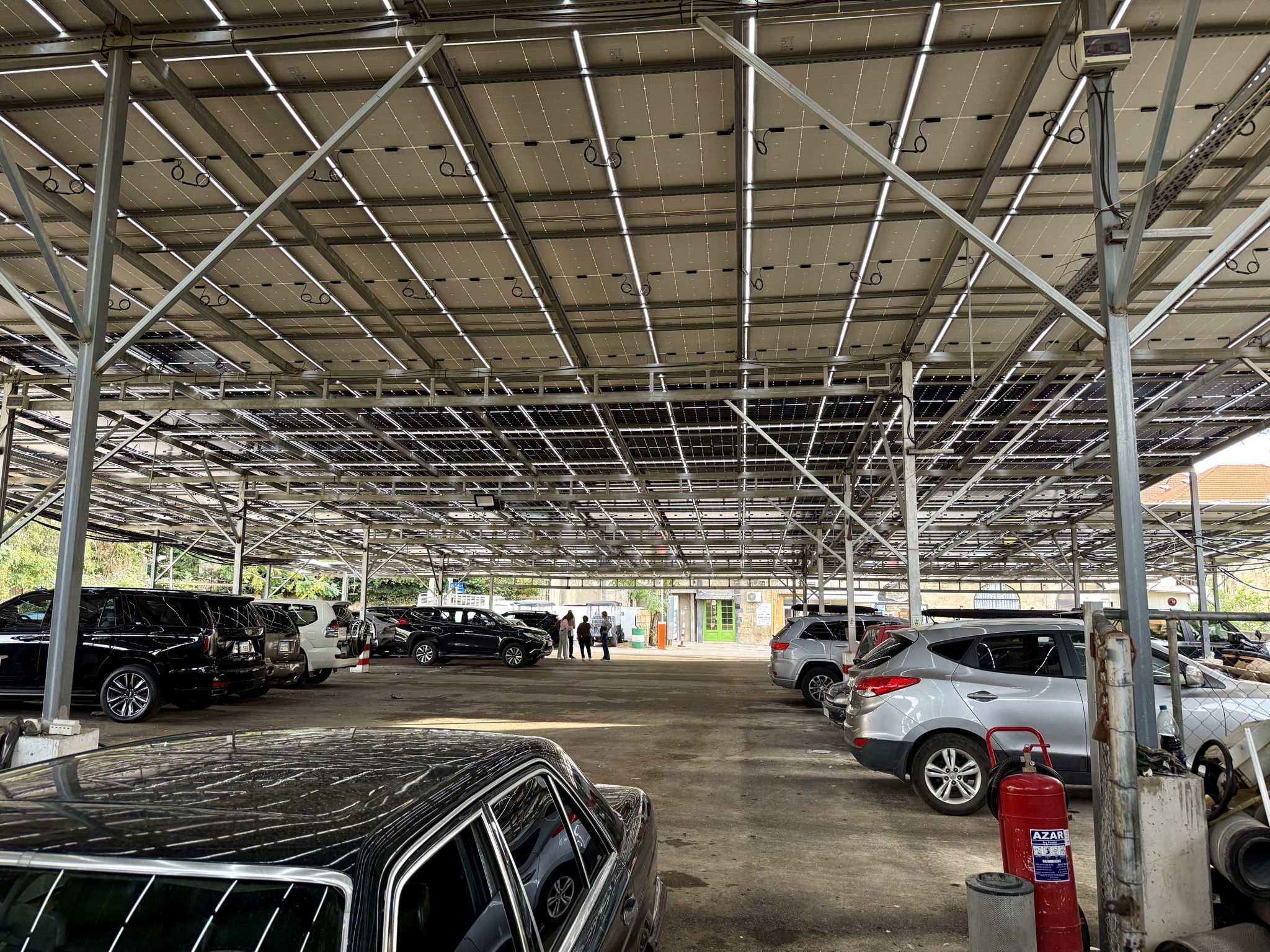
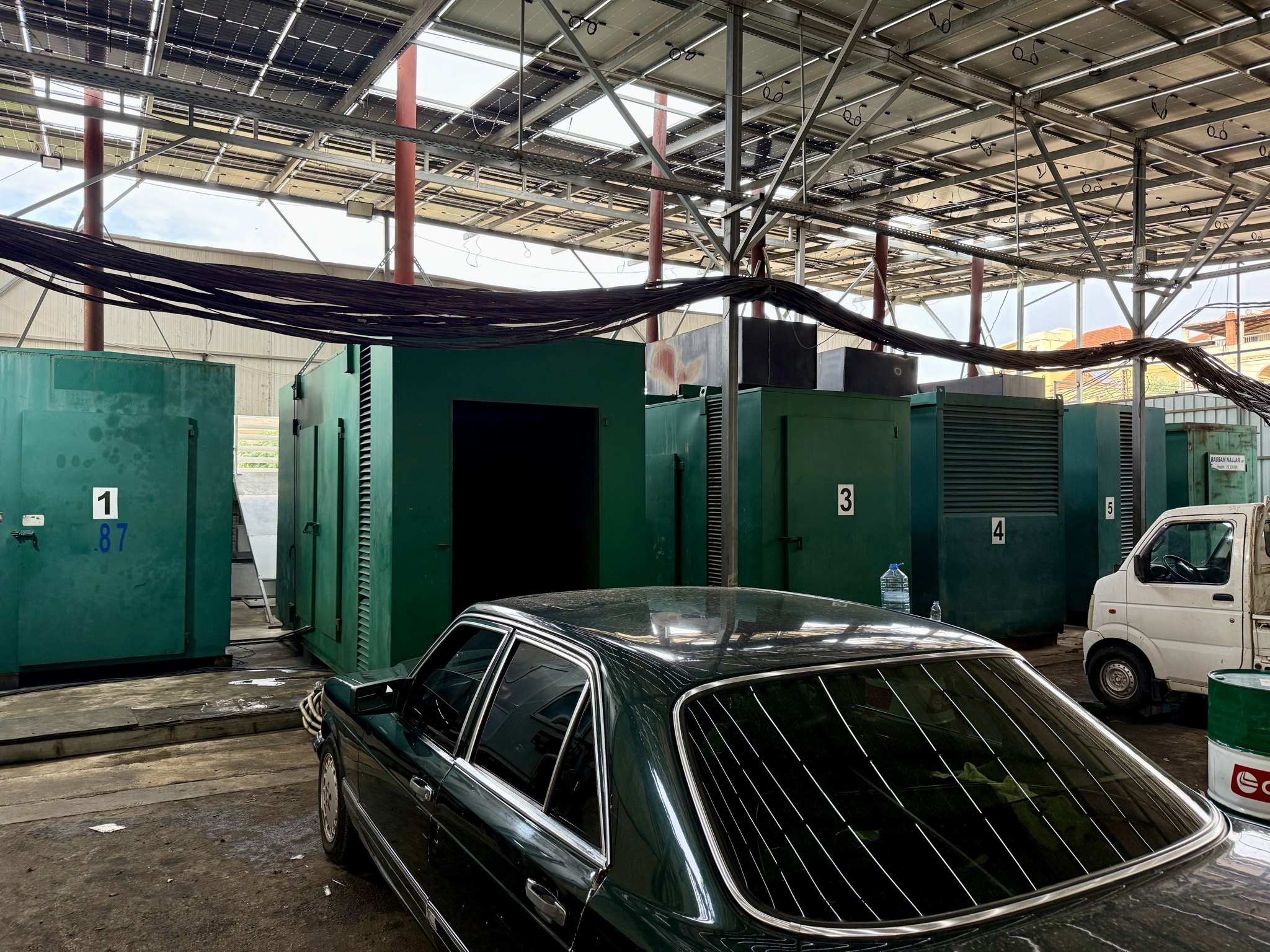
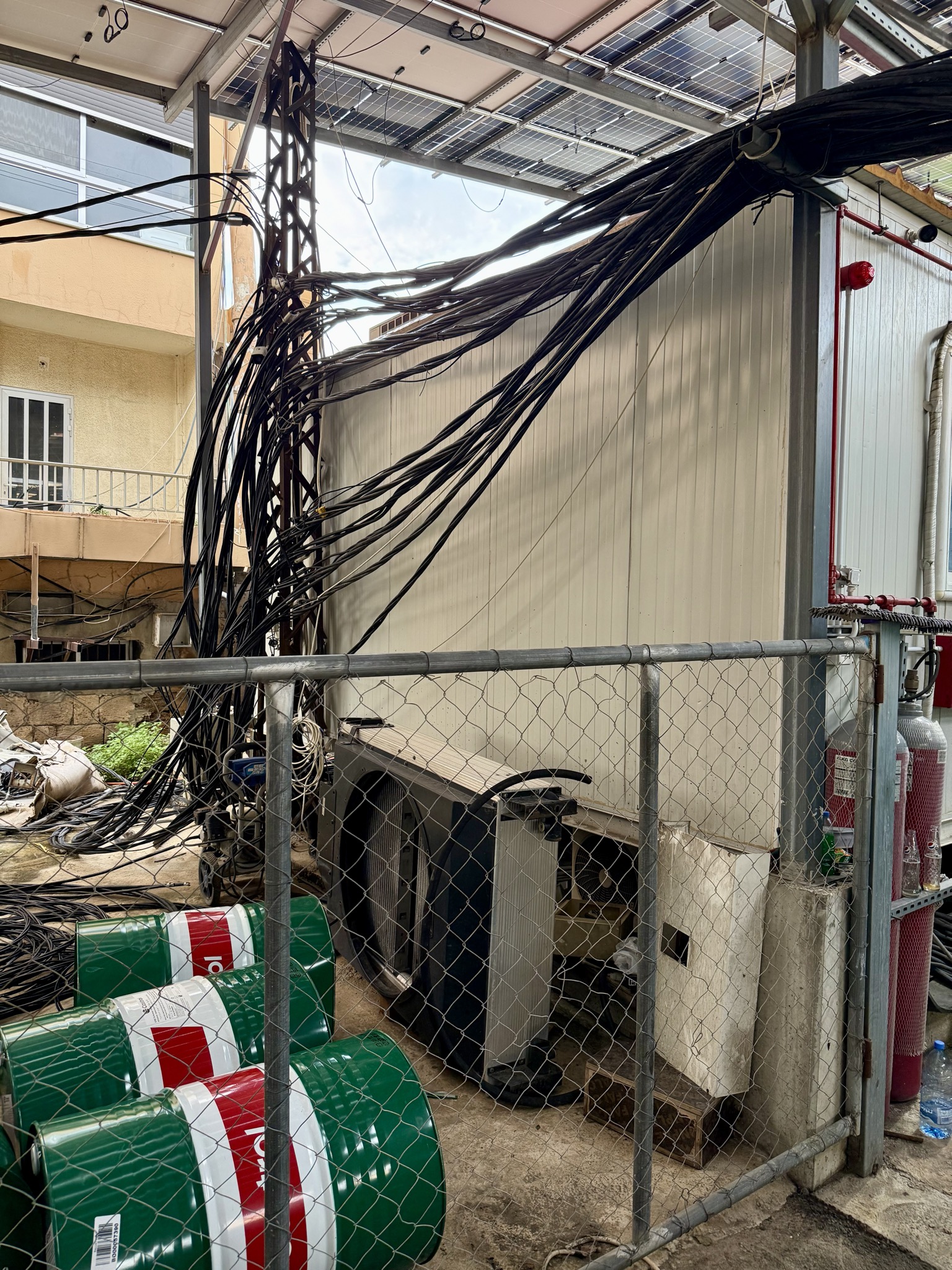
Between diesel and solar power
Here, electricity is far from a given. Diesel generators keep daily life going when the public grid cannot be relied on. Our video captures the constant engine noise. Exhaust fumes and noise become part of everyday life — a reminder of what failing infrastructure means for the people living with it.
Above the generators and parked cars, solar panels form a roof. Parking spaces once exposed to the sun now sit in their shade. The same space can offer shelter and harness sunlight for electricity.
The generators are still there. Yet the panels above them point towards something different: less dependence on diesel and a quieter daily life. These images stay with us because they show both the strain people face and the practical steps towards change.
Beirut · Lebanon
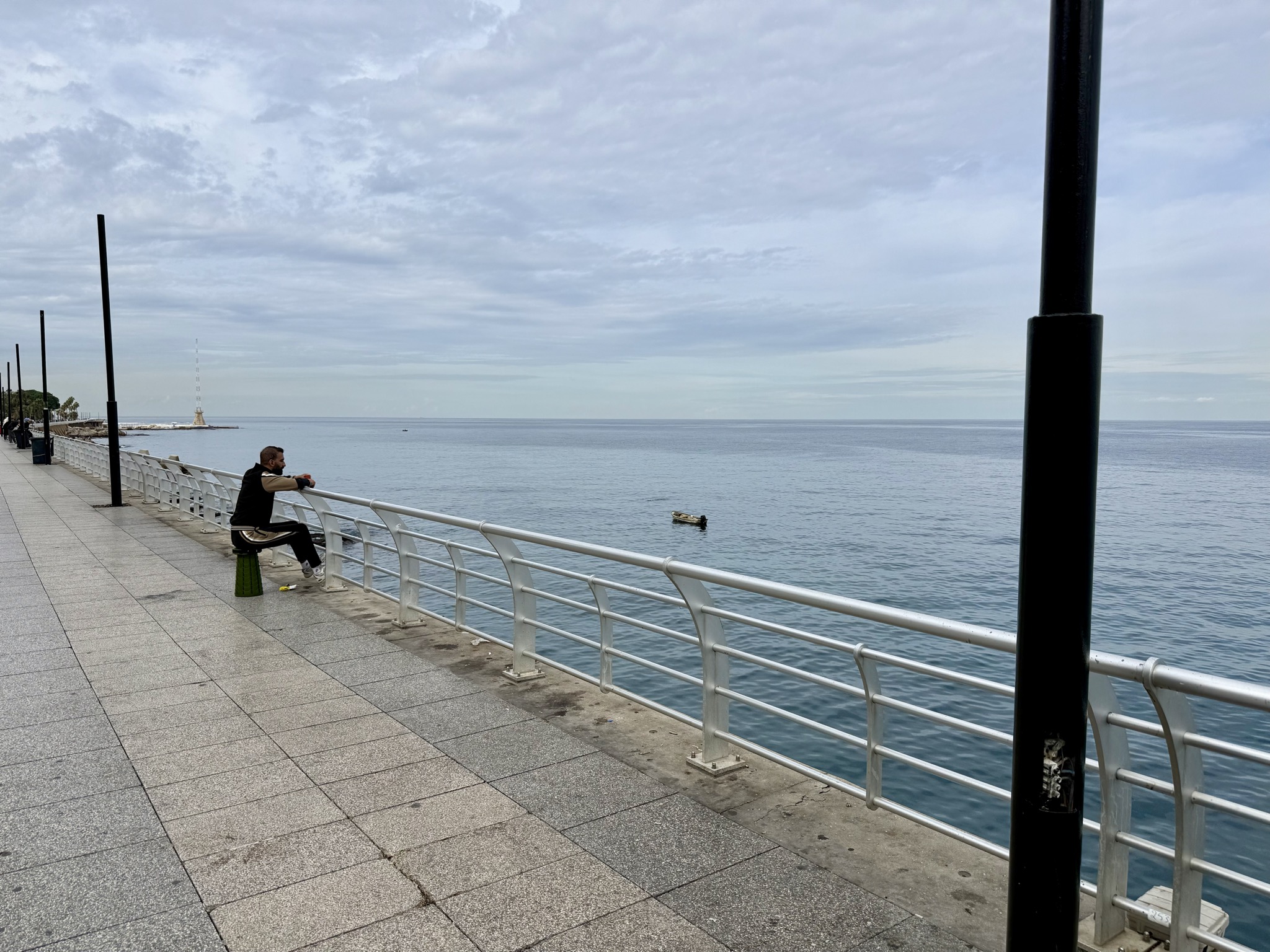
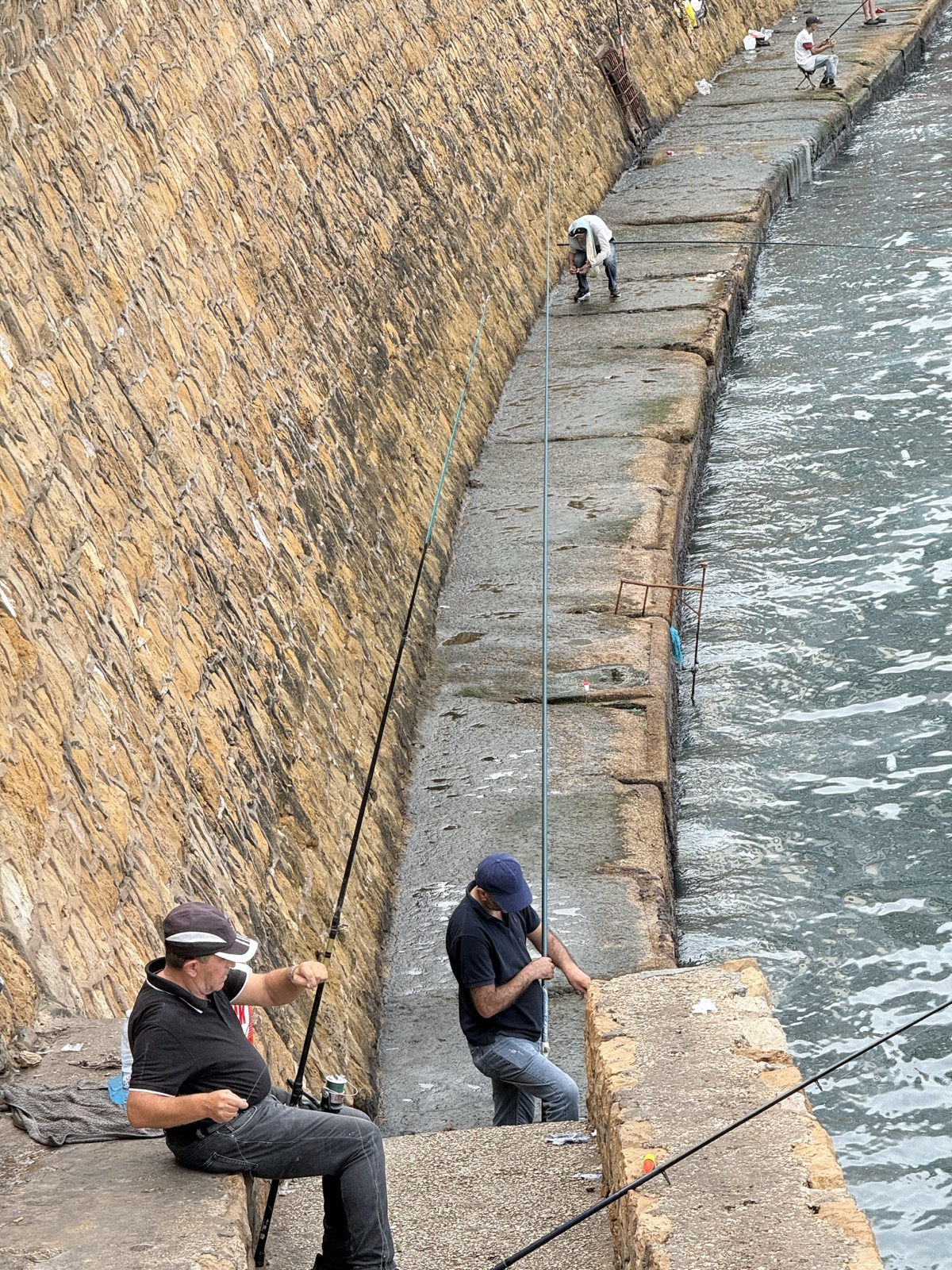
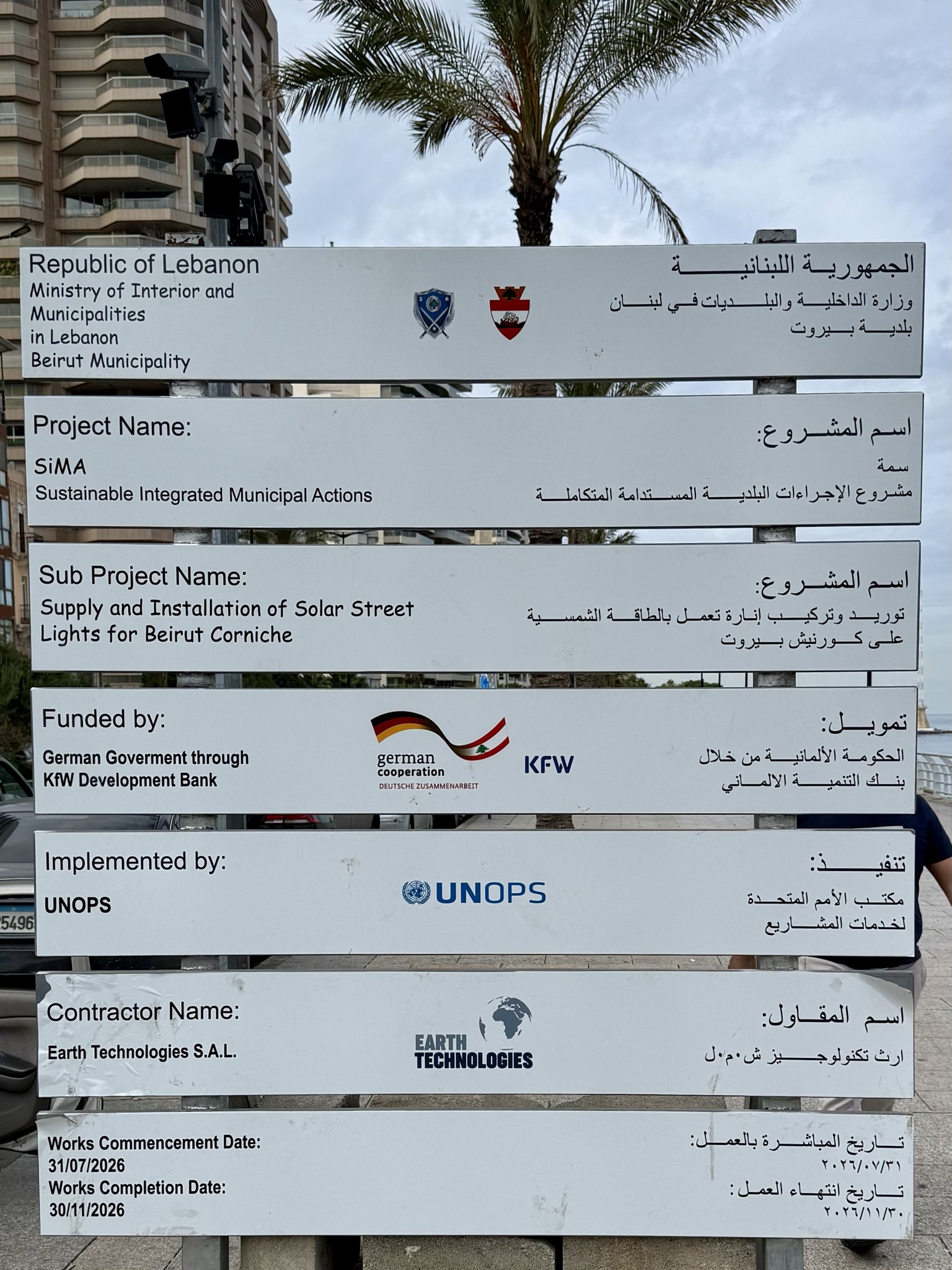
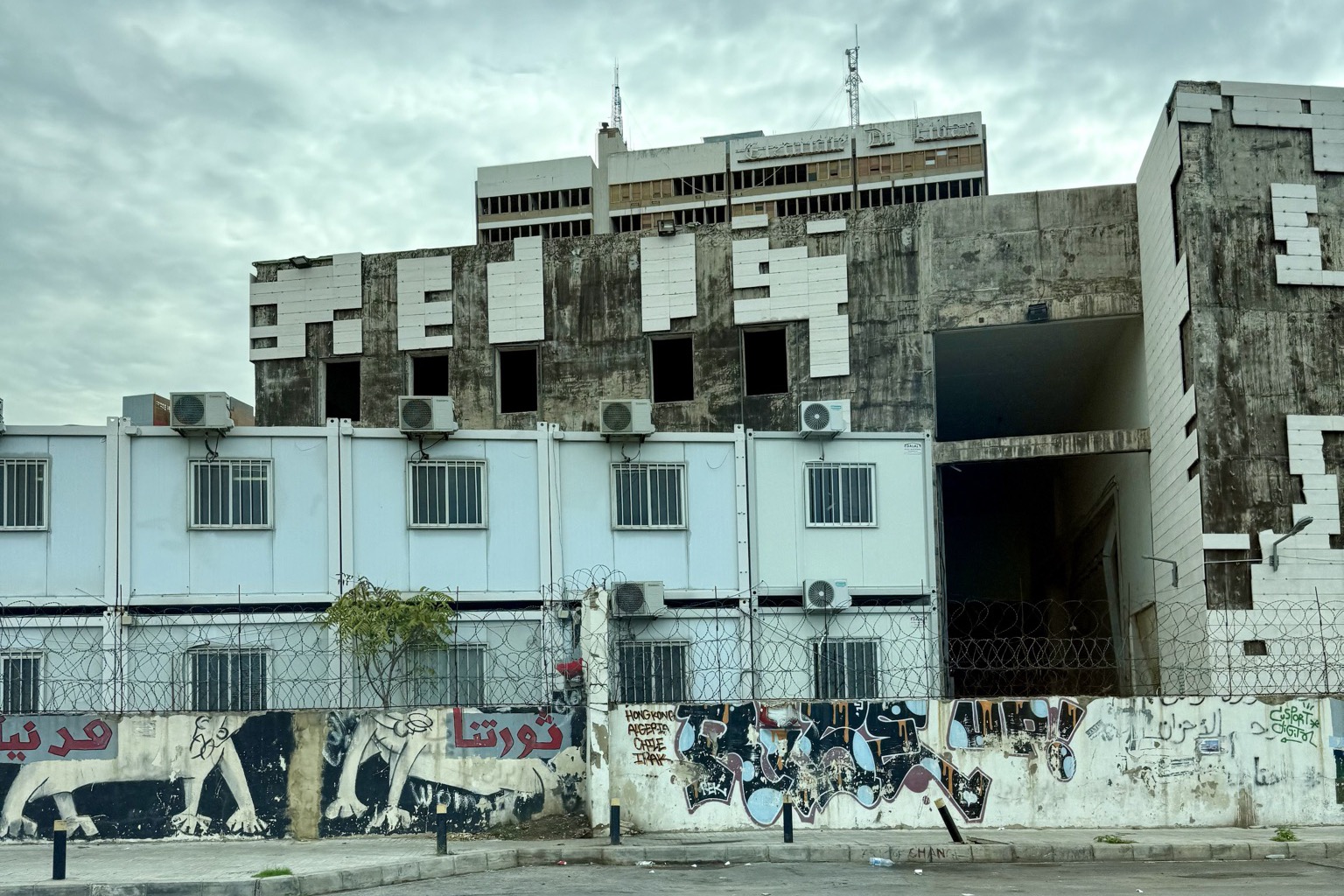
Beirut – between sea, memory and hope
Today, our walk takes us to the Corniche. The Mediterranean lies calm before us. Along the sea wall, anglers hold their rods above the waves. The sea gives this city room to breathe, brings people together and provides food.
On the promenade, we discover a sign for solar street lighting: funded by the German Federal Government through KfW and implemented by UNOPS. A practical step that can make the journey home easier and keep public spaces usable after dark.
Then we encounter the visible traces of the port explosion: damaged buildings, dark window openings, containers serving as temporary structures. We fall quiet. Behind these walls are the stories of people, their work and their everyday lives.
The anglers by the sea, the promise of light and the open wounds of the explosion — all belong to Beirut. We feel how much remains to be done. And why it matters to keep going, even when help can only come a little at a time.
Beirut · Lebanon
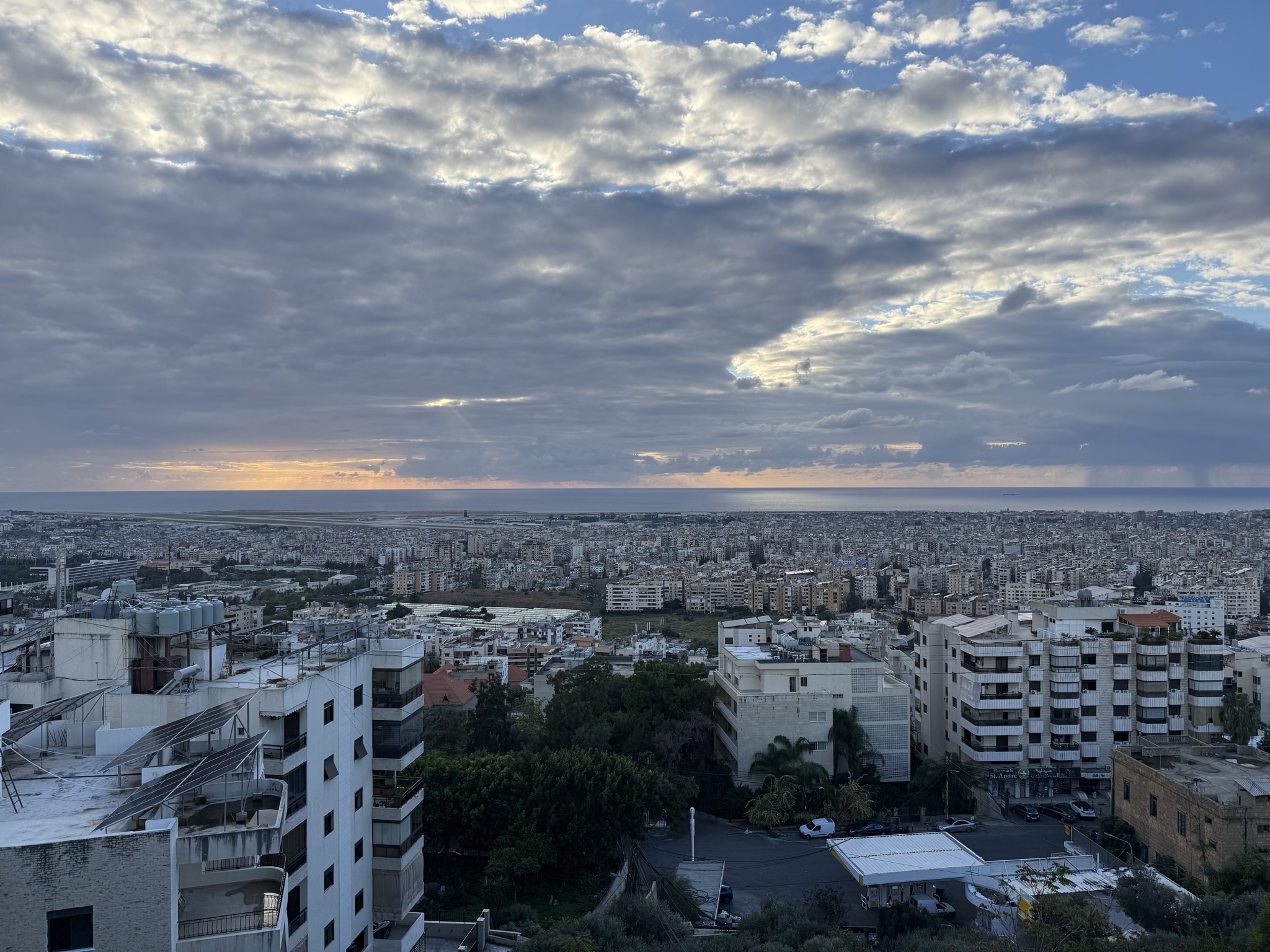
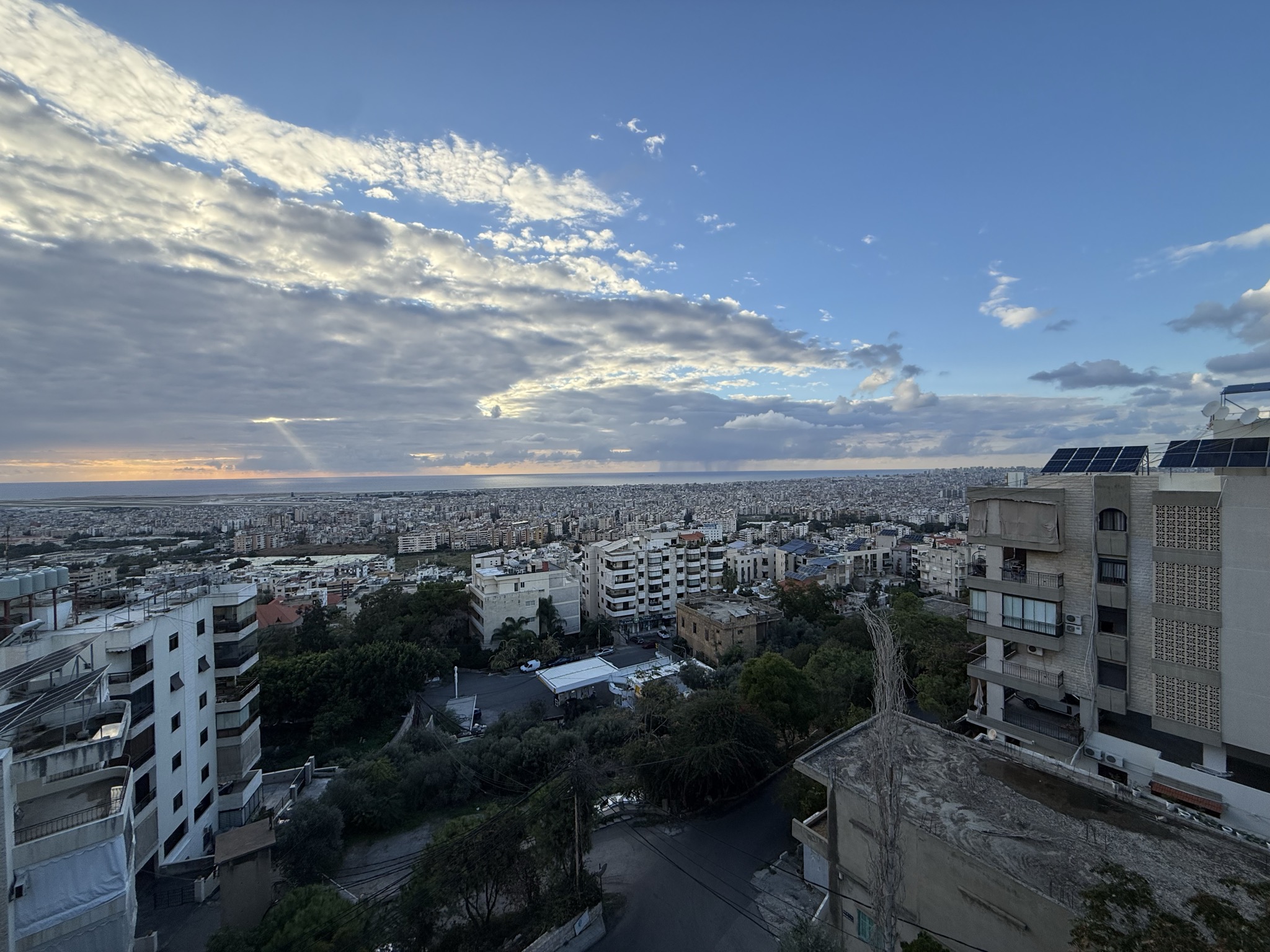
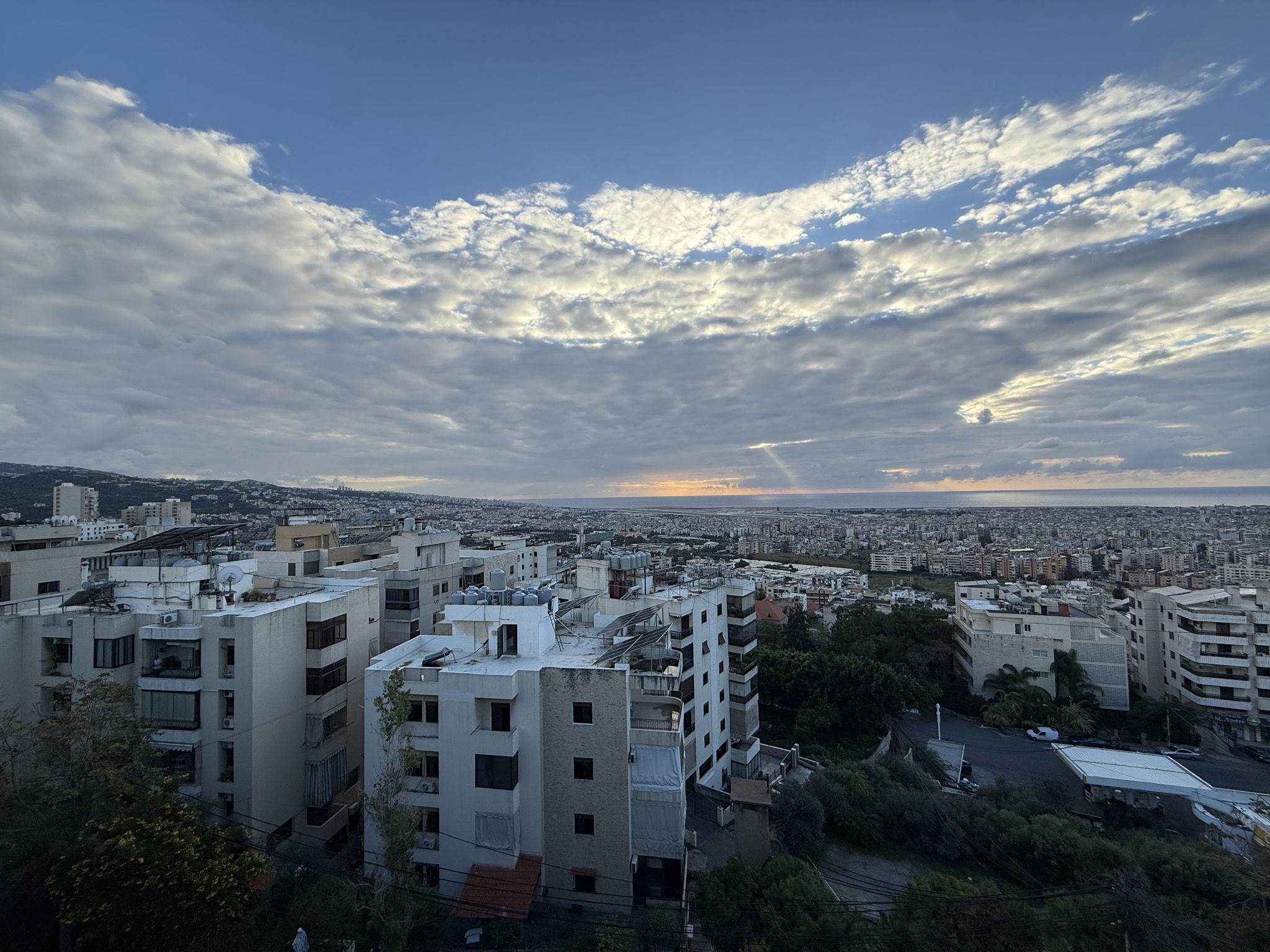
Hope above the rooftops of Beirut
Today, our gaze stretches across Beirut and out to sea. Dark clouds are still shedding rain over the water. Between them, the sky opens and light falls along the horizon. The clouds move on towards Mount Lebanon and the Bekaa Valley. To the left lies the airport, right beside the sea — where our journey began.
From a distance, the city seems peaceful for a moment. But look more closely, and between the buildings you see traces of an everyday life made difficult by war and crisis. Power lines hang in dense, tangled bundles above the streets. They hint at how much people have to improvise to secure the essentials.
Then our eyes turn to the rooftops: between water tanks and antennas, solar panels face the sun. People are taking their power supply into their own hands. They are creating a measure of independence — so that a light can stay on in the evening, a phone can be charged and daily life can become a little more dependable.
We stand for a while, looking out over the city. The beauty of the sea, the visible scars, the solar panels on the rooftops: everything is so close together.
This view will stay with us. Above all, because of the people who find ways to carry on here, every single day.
Beirut · Lebanon
When the rain comes all at once
Dense clouds gather over the mountains of Lebanon. By evening, the rain comes down in a sudden, heavy burst: water lashes the street and the lights reflect on the wet ground.
A short impression from this evening, captured in our journey video.
Lebanon

Rescue equipment for the Lebanese Red Cross
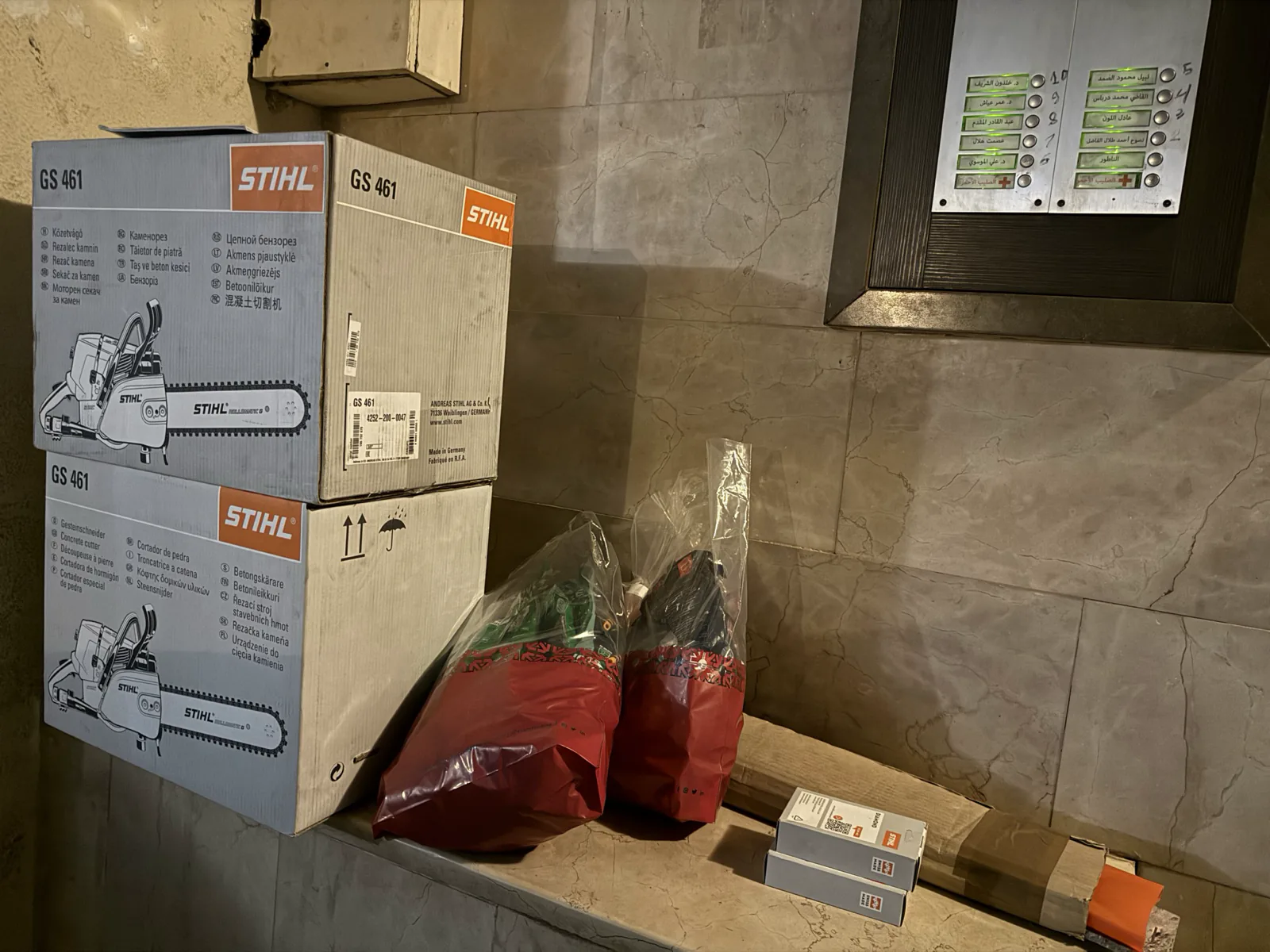
We are preparing a delivery of rescue equipment to the Lebanese Red Cross in Tripoli. The equipment is intended to help rescue teams reach people trapped after building collapses in the mountainous north of Lebanon. Mahmoud explains that buildings on steep slopes are vulnerable and heavy rain can add to the danger.
The planned delivery includes one cut-off machine, two concrete saws, two diamond cutting discs, two diamond saw chains, ten protective gloves and five safety goggles. The handover is being prepared.
Tripoli · Northern Lebanon
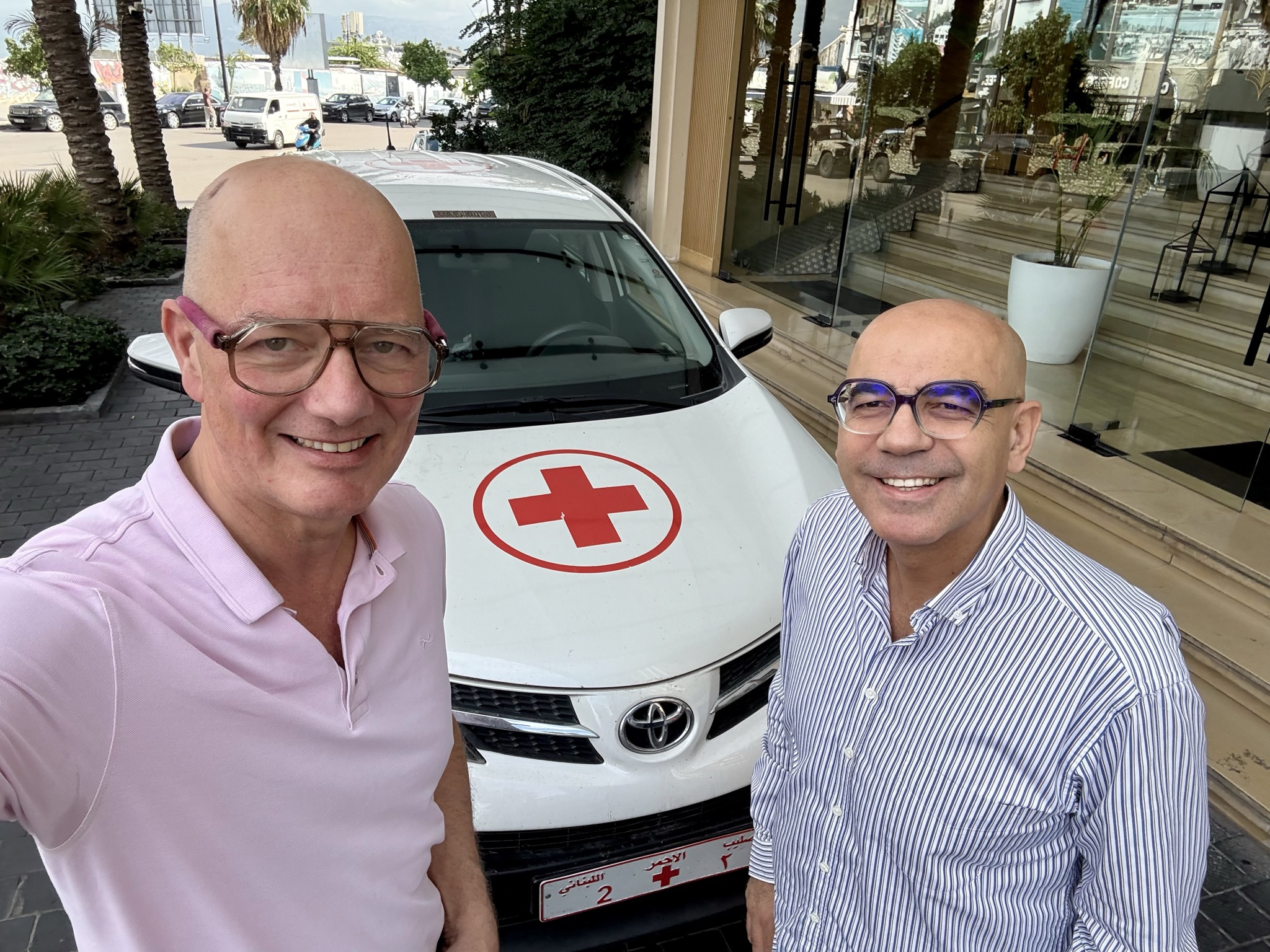
Meeting with the Lebanese Red Cross
An early encounter on the journey: a first meeting with Fadi Lesidon of the Lebanese Red Cross. Working alongside people who understand local needs is central to how we approach our support.
We will add the participants’ confirmed meeting notes and any next steps as they become available.
Lebanon
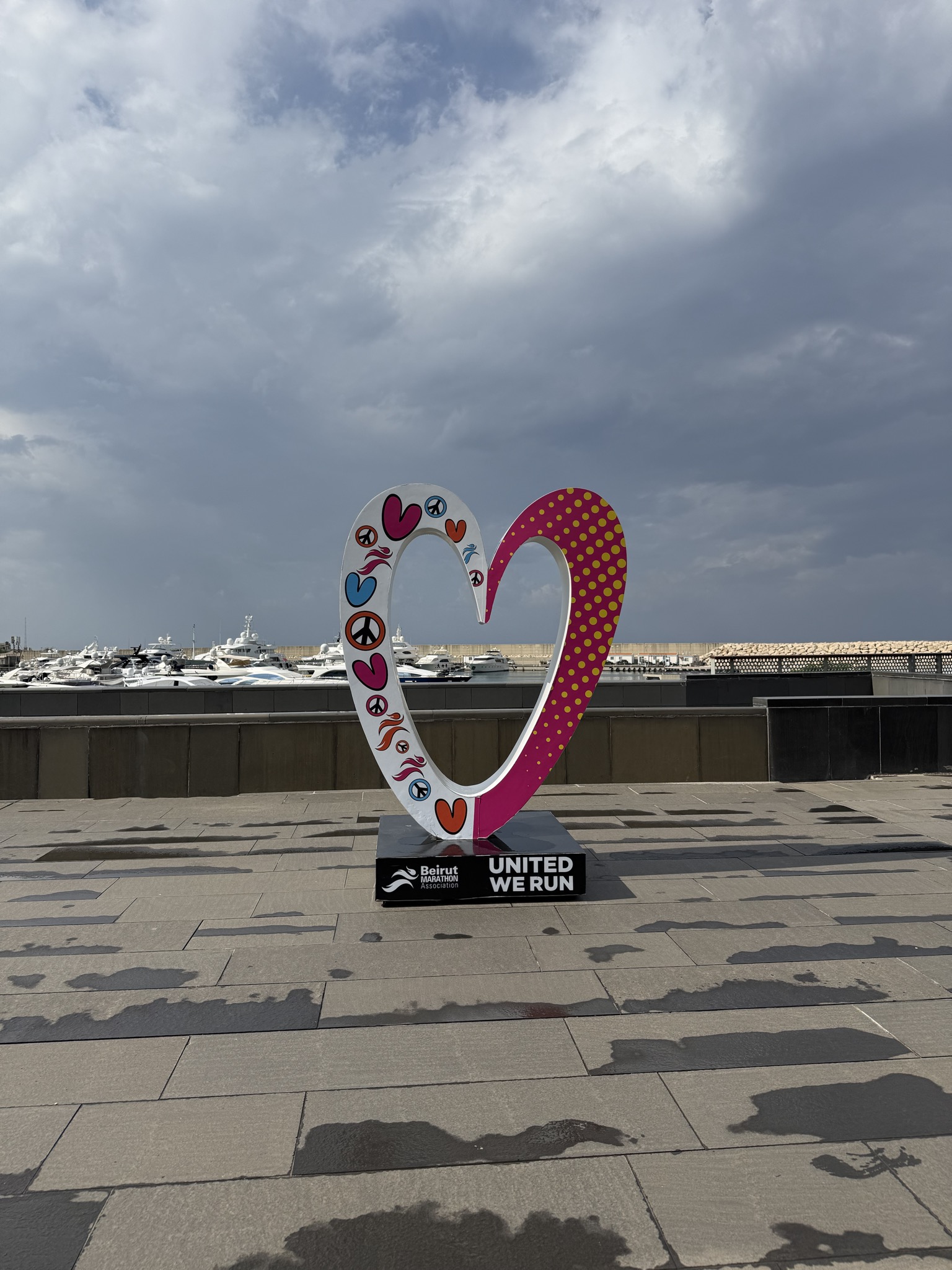
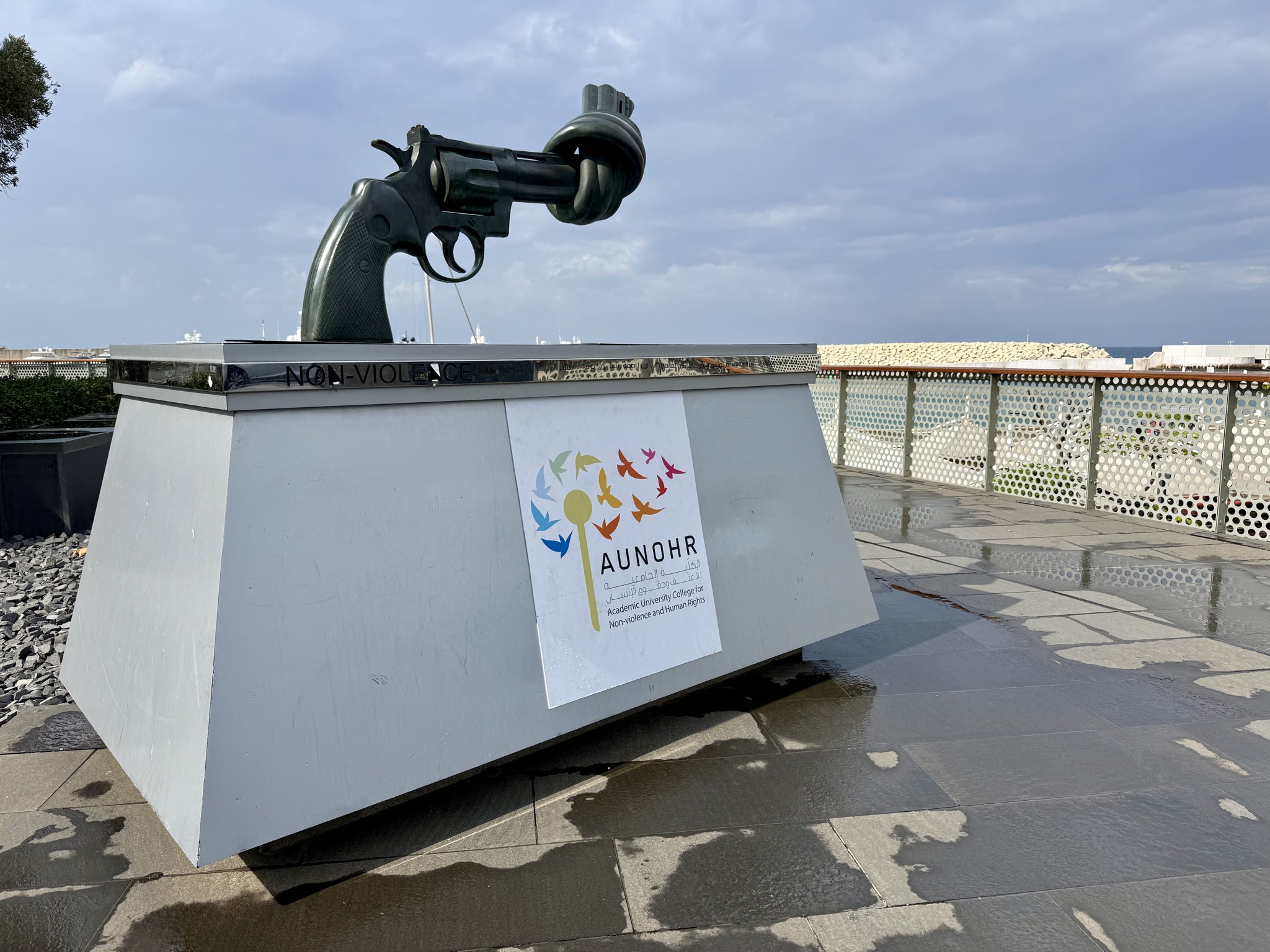
United we run
United We Run: the message on a colourful heart by the marina captures the spirit of togetherness. A morning impression from Lebanon, with peace symbols in bright colours.
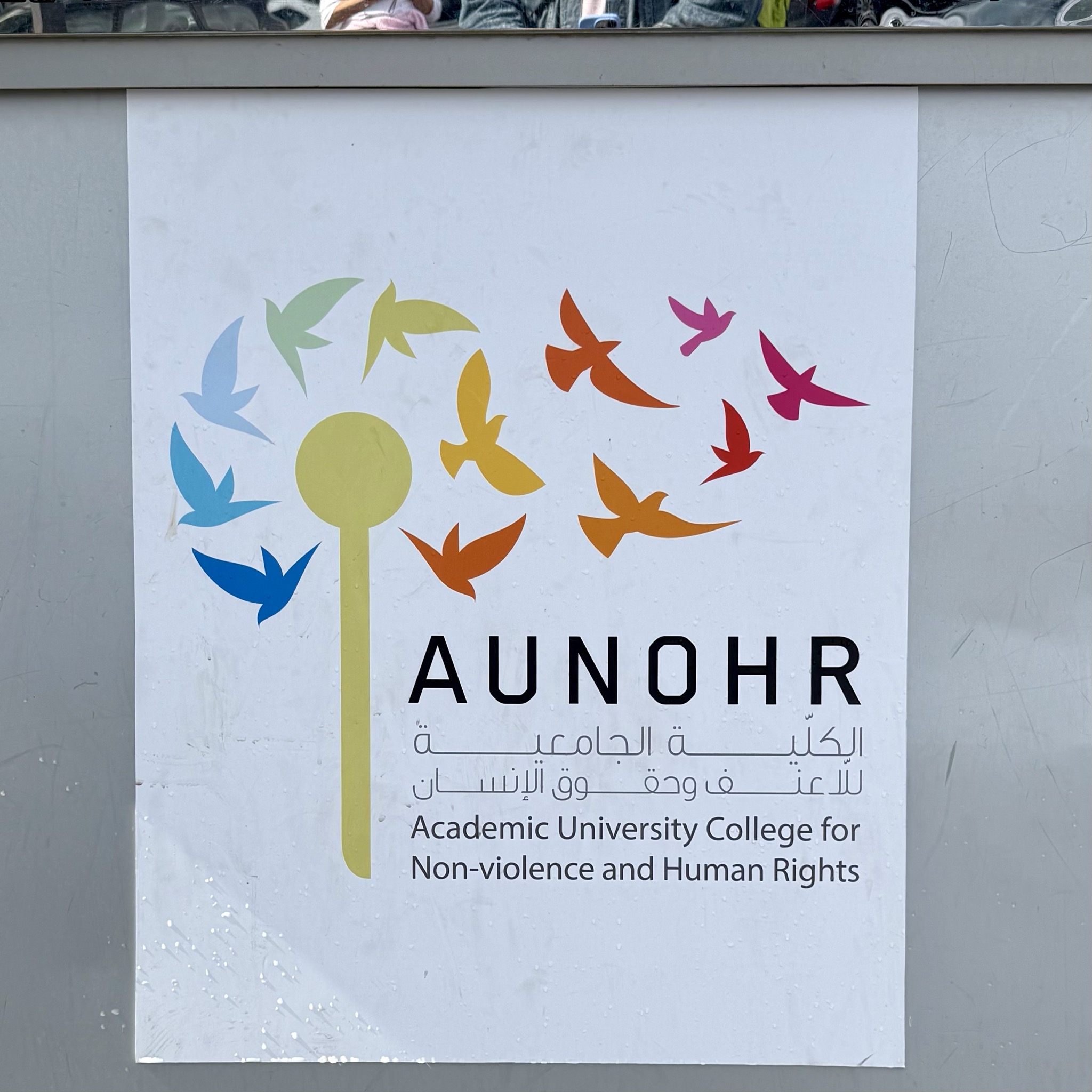
We also spot a smaller version of the knotted-gun sculpture familiar from outside the United Nations in New York. The AUNOHR sign on its base draws attention to non-violence and human rights.
Lebanon
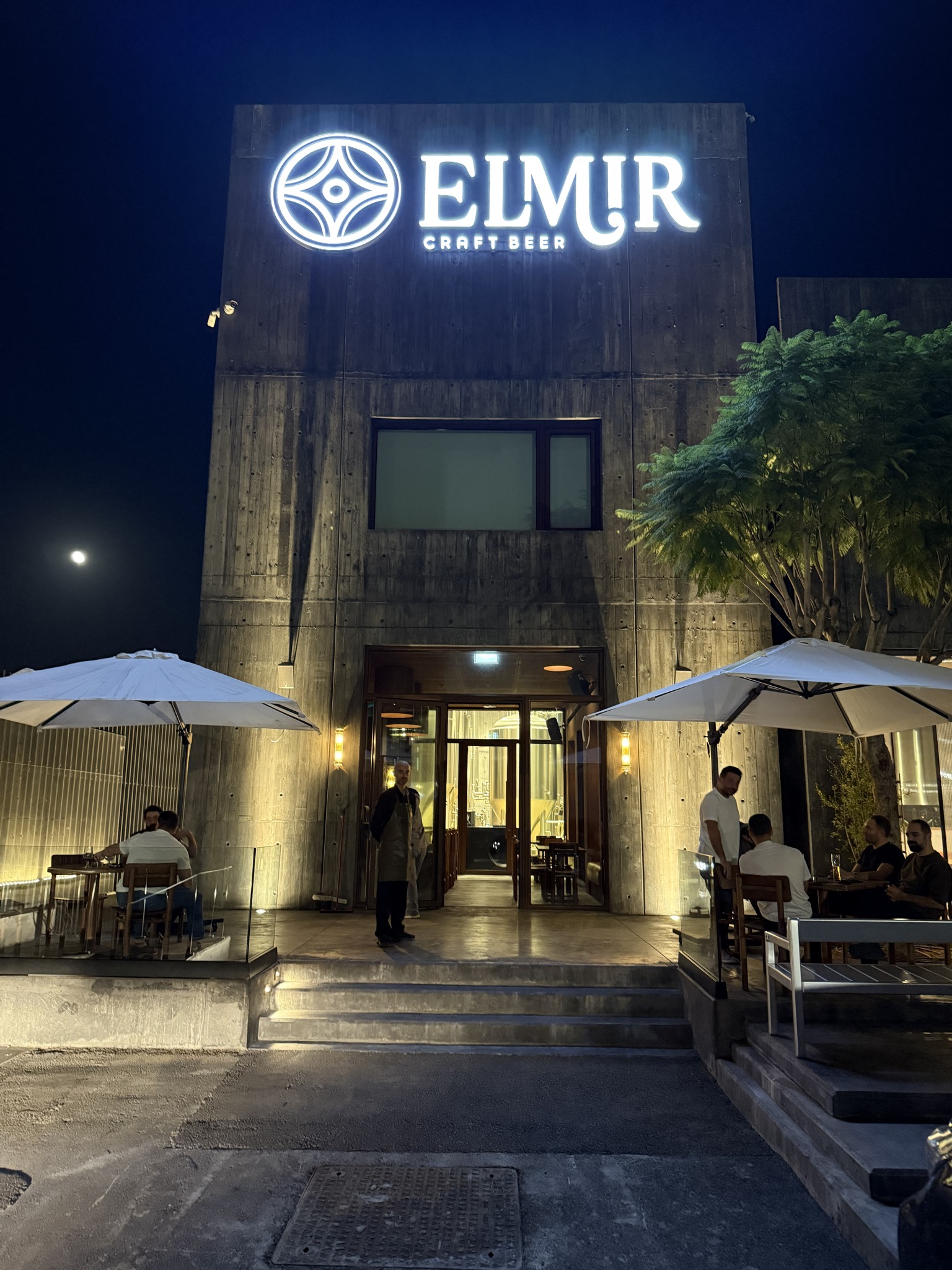
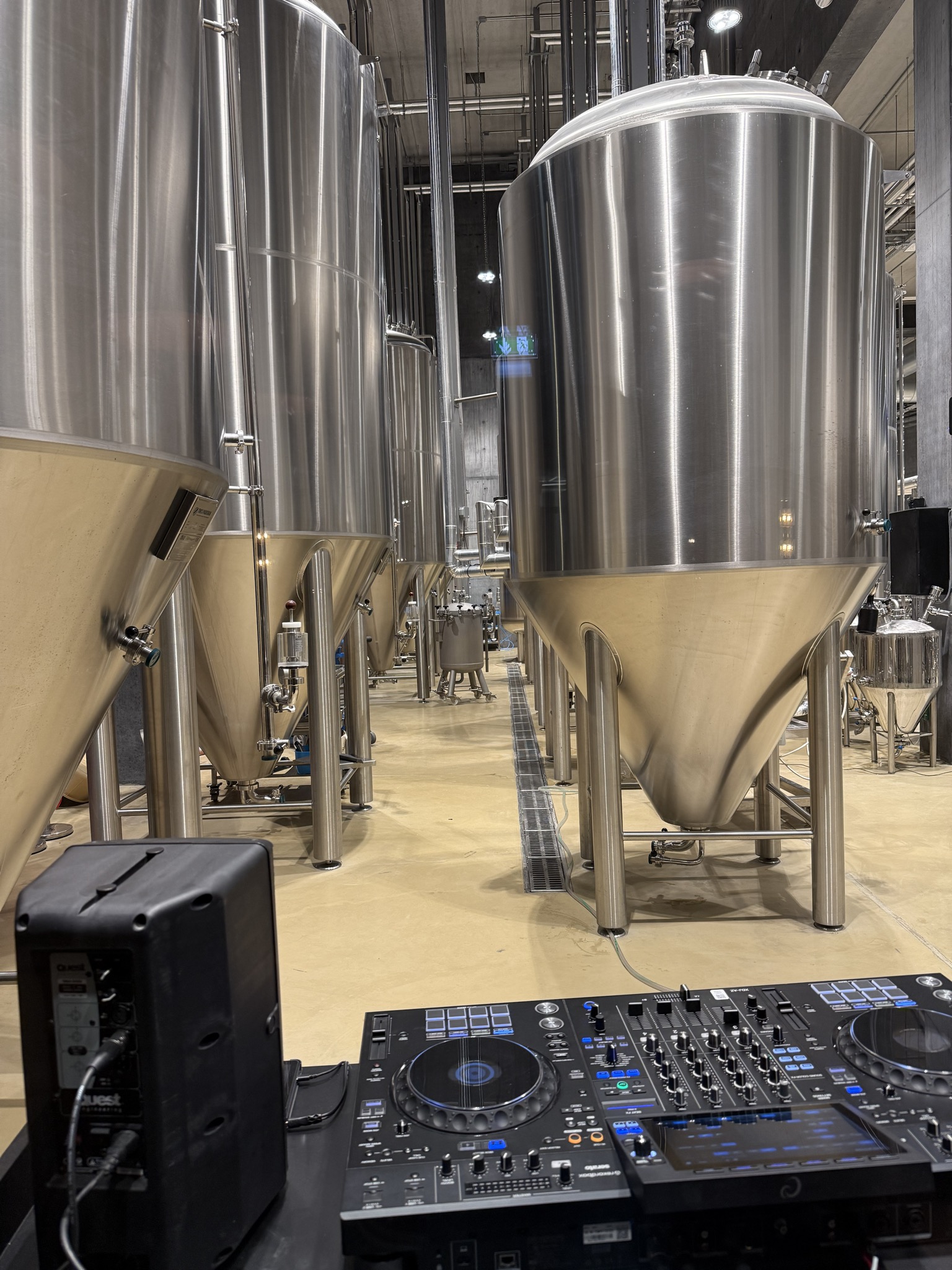
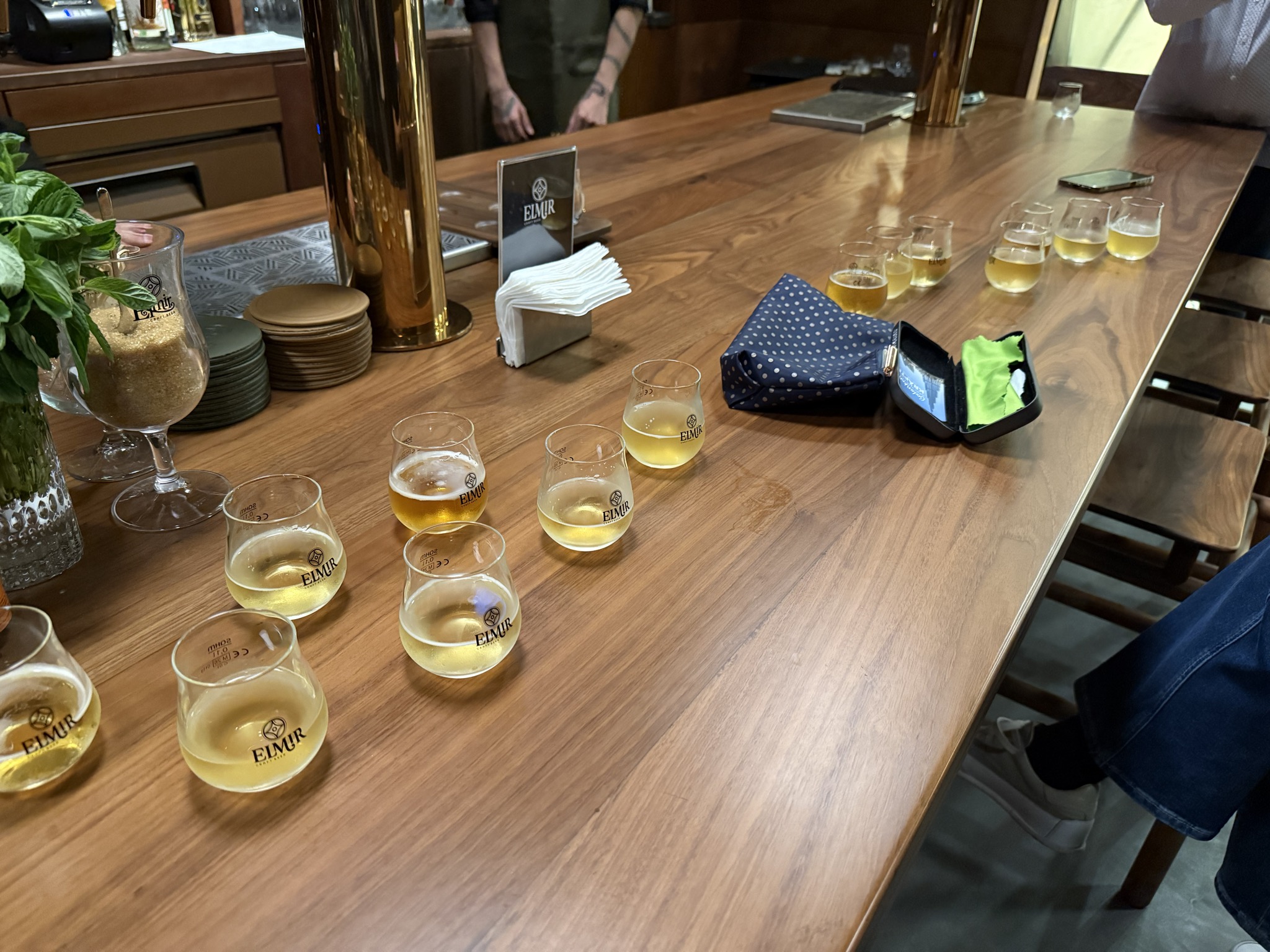
Off to a good start: an evening at ELMIR
Our first evening gets off to a good start: we join the opening of the ELMIR craft beer brewery. A personal guided tour and a tasting give us a closer look at the brewery.
A relaxed start to our journey, with a glimpse of local craft and an evening together.
ELMIR Craft Beer · Lebanon
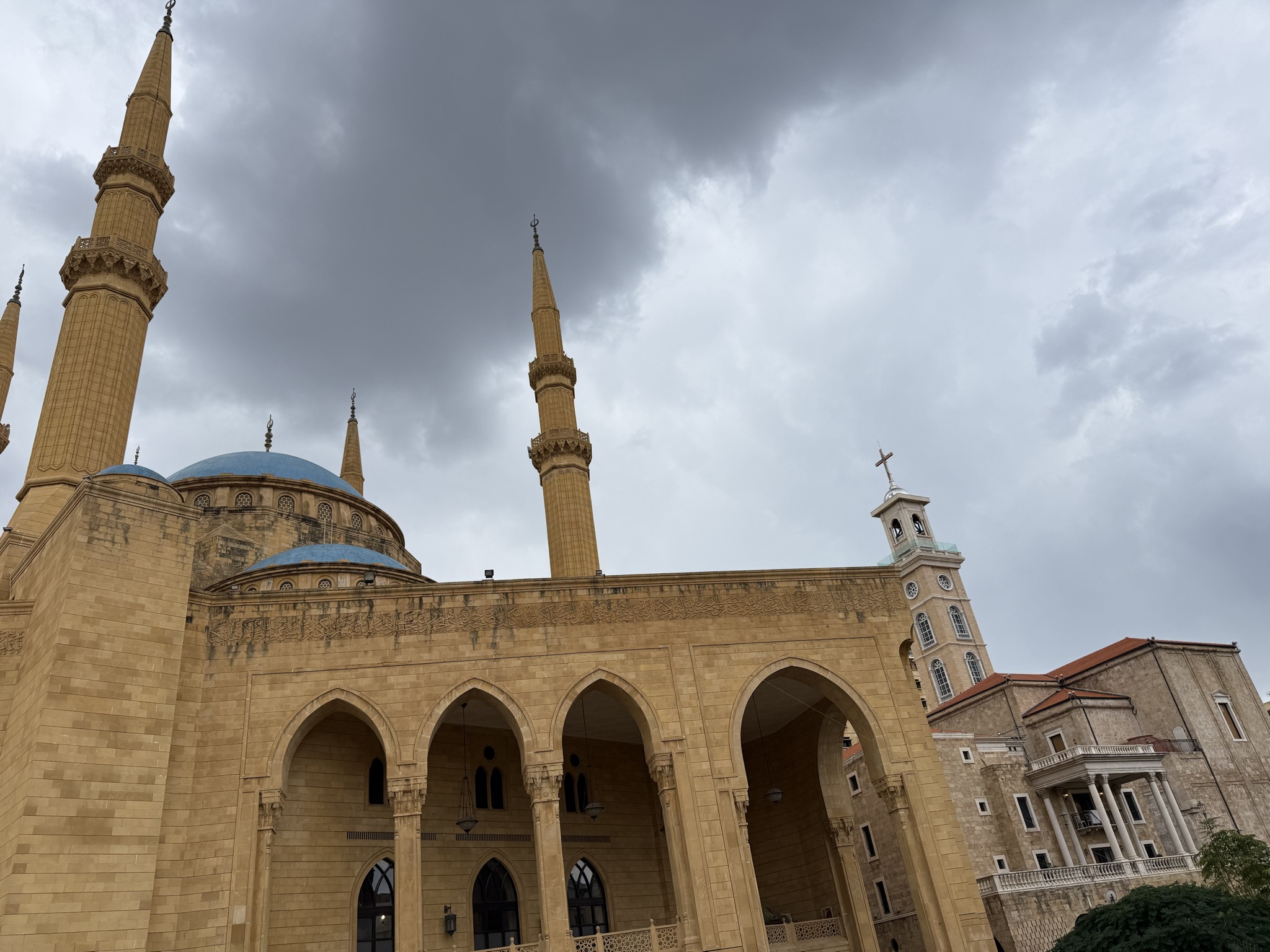
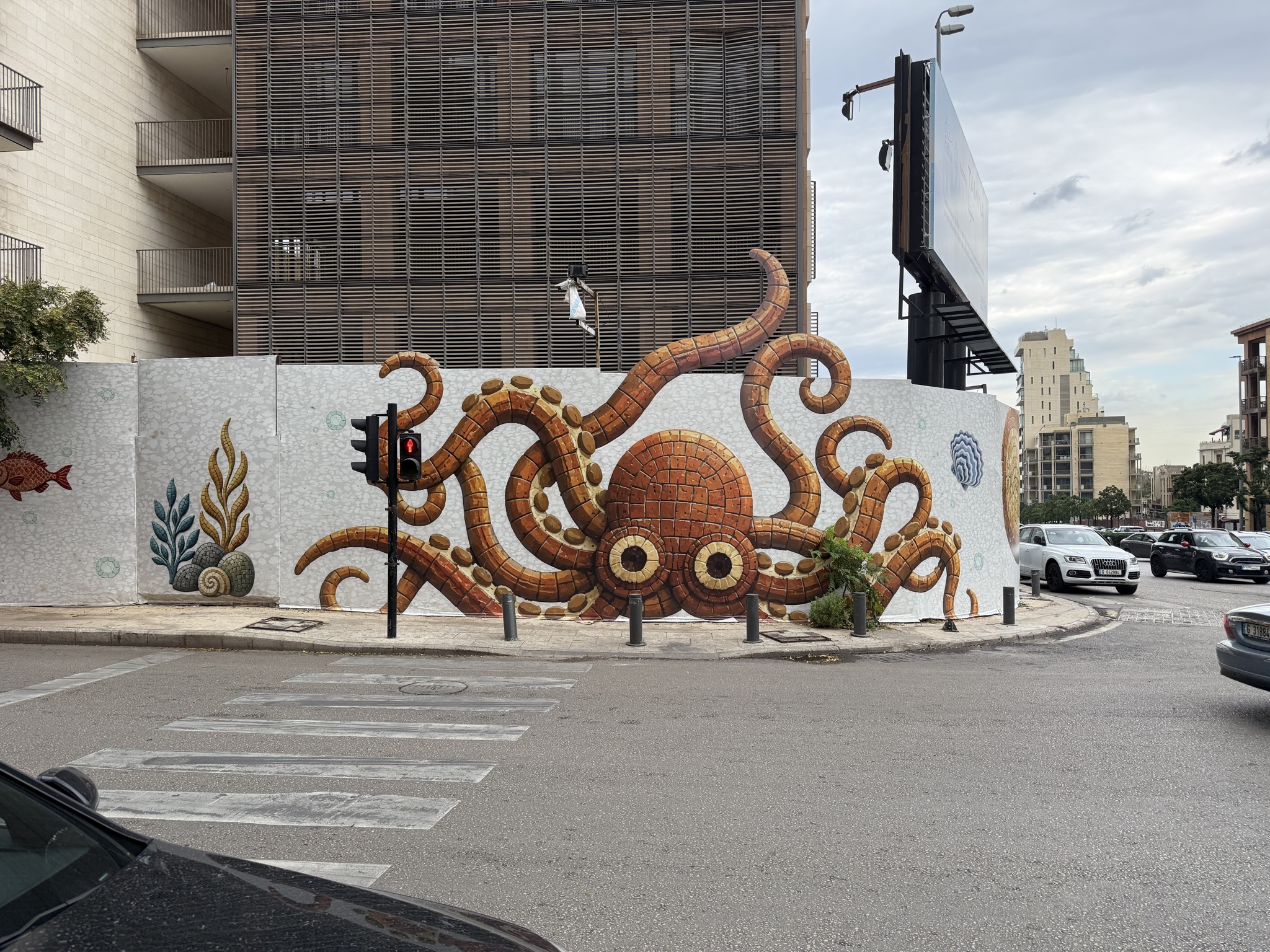
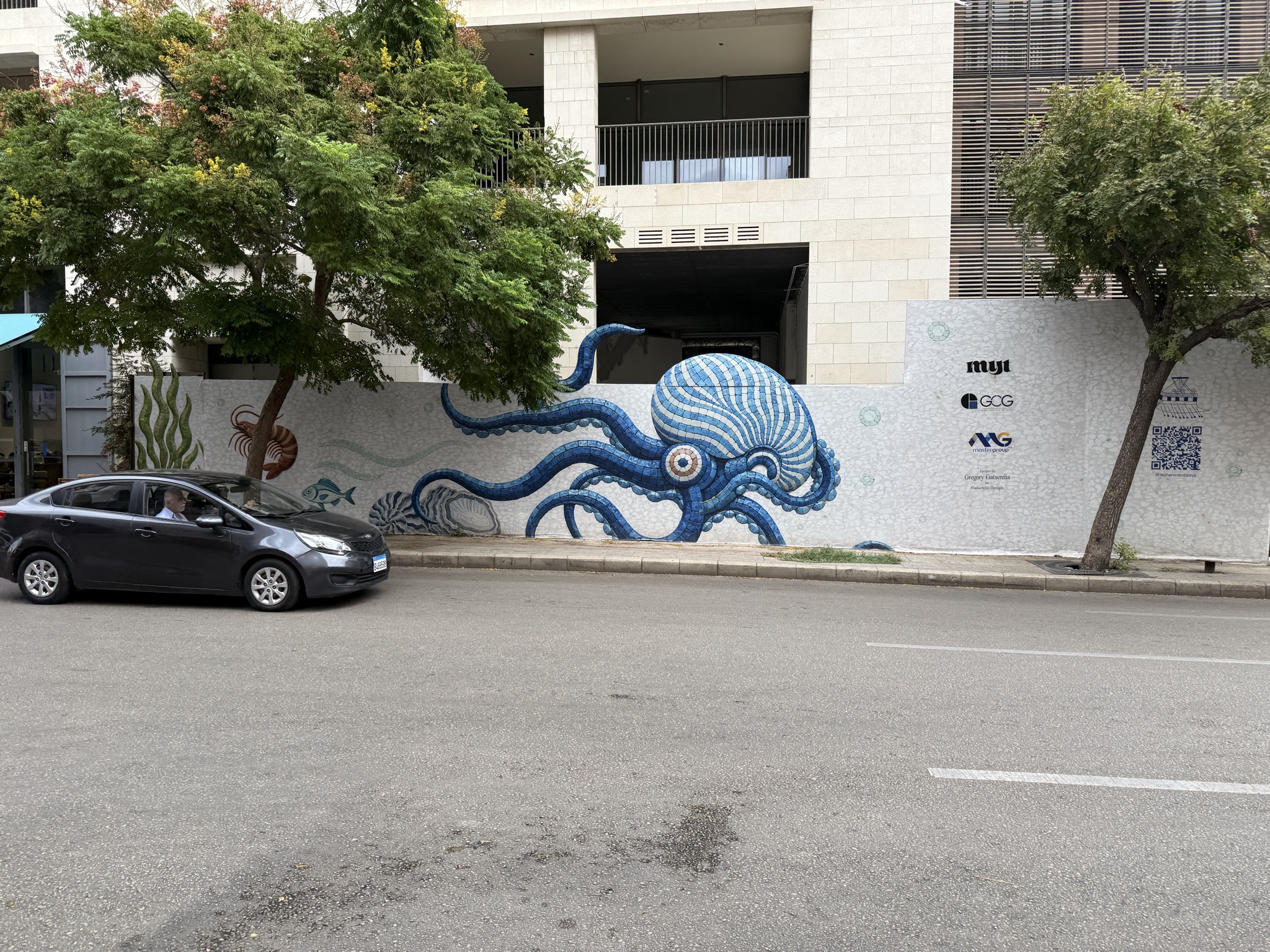
Impressions of Lebanon
An afternoon to take in our surroundings: colourful street art and a view of a mosque alongside a church. A few impressions from Lebanon, captured along the way.
Later that evening, we head to the opening of the ELMIR brewery.
Lebanon
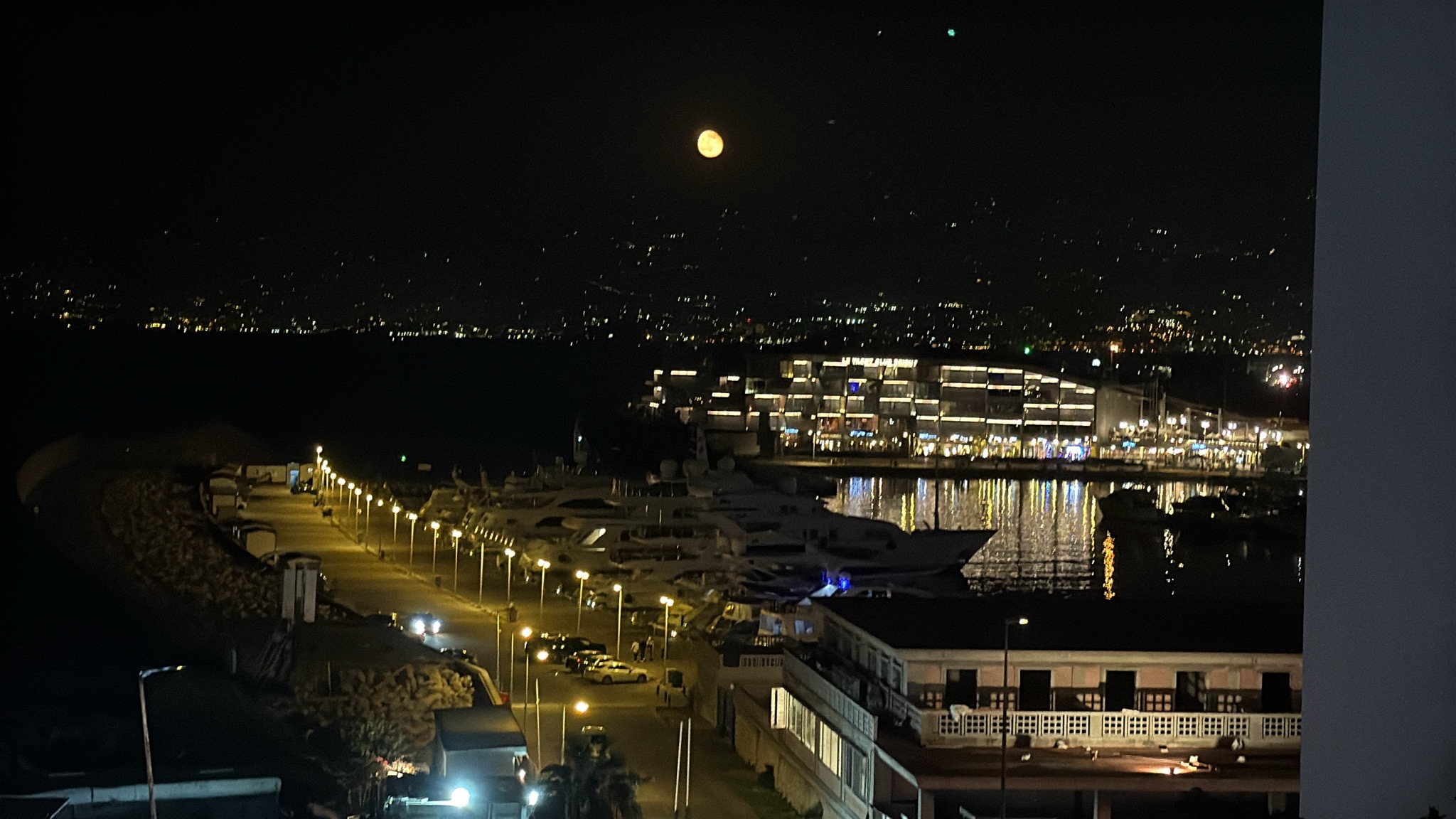
First Moments in Lebanon
A moment to settle in before the days ahead. From the hotel, our attention turns to the programme: meeting local partners, preparing the planned activities and making time for the people behind each project.
The coming updates will follow the journey one encounter at a time.
Lebanon
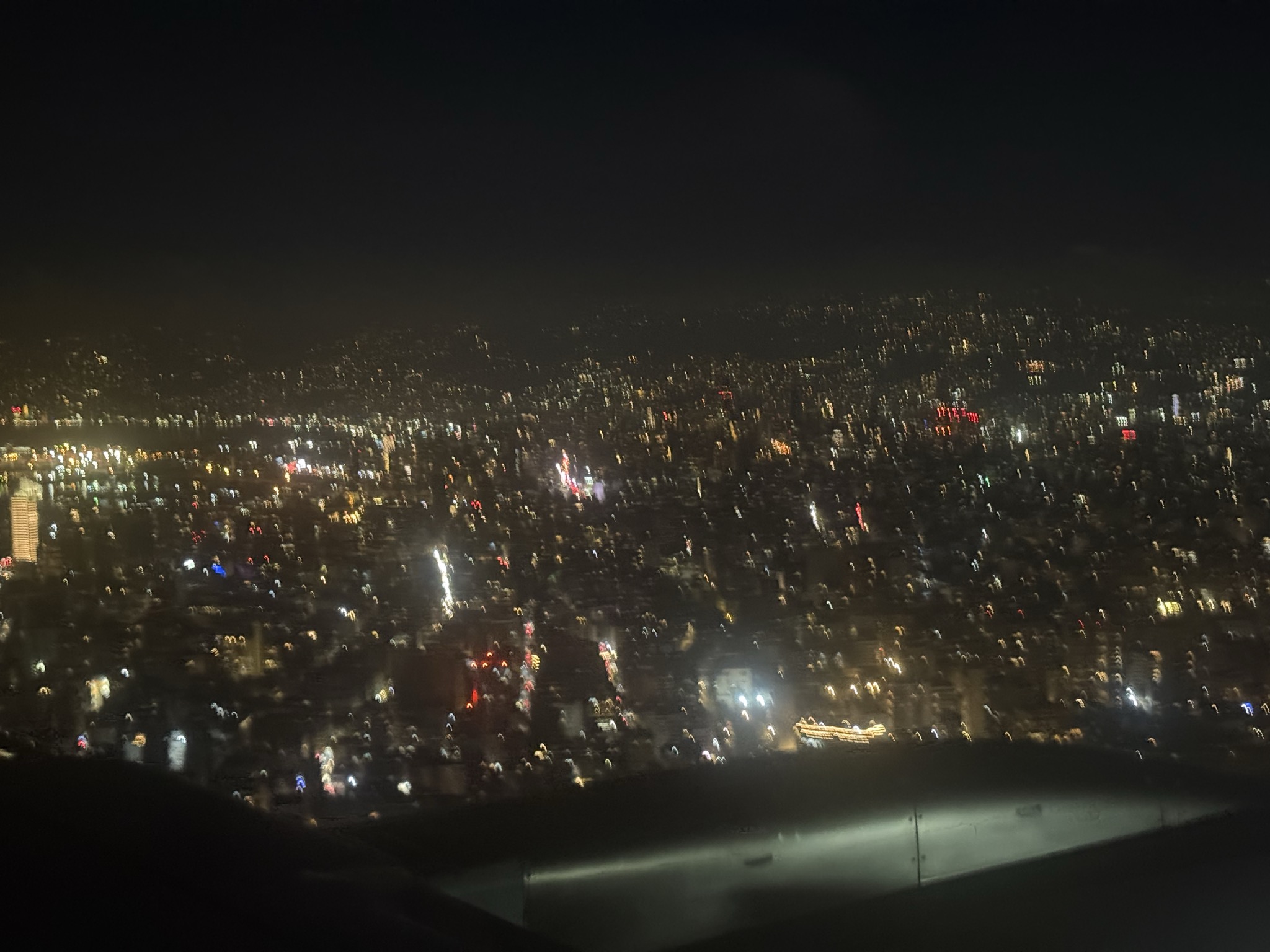
Arrival in Beirut
Beirut comes into view, and with it the people and places at the heart of our work. This journey brings Mahmoud Chatah, Chair of Power for People in Lebanon, and fellow association members to Lebanon to spend time with local partners and prepare practical support for families.
Follow this journal as we share photographs, encounters and verified updates from the journey.
Beirut · Lebanon
Looking ahead
Practical help. Shared commitment.
Solar light for families
Further solar lamp distributions with Sanabel Nour, alongside visits to families, are planned.
Supporting local responders
A handover of needed equipment to the Lebanese Red Cross in Tripoli is being prepared.
Time to listen
Meetings with local partners and personal encounters will help inform the next steps of our work.
These activities reflect the planning meeting of 11 October 2026. The proposed group travel window was 2–9 November 2026. Dates, participation and delivery remain subject to confirmation.
Be part of the next chapter.
Your support helps make our work possible. Thank you for standing with the people of Lebanon.
Power for People in Lebanon e.V. · Journey journal 2026 · Prepared for ongoing updates.